The Green Revolution: Pioneering Sustainable Tech Manufacturing
In the heart of the 21st century, a green revolution is quietly unfolding, transforming the landscape of tech manufacturing. This revolution is not driven by a single innovation but by a confluence of sustainable practices that are reshaping the industry from the ground up.
Circular Design Processes: The New Norm
At the core of this transformation are circular design processes. Unlike traditional linear models that follow a ‘take, make, waste’ pattern, circular design aims to eliminate waste and the continual use of resources. In tech manufacturing, this means designing products with their entire lifecycle in mind—from creation to disposal and beyond.
Green Electronics Production
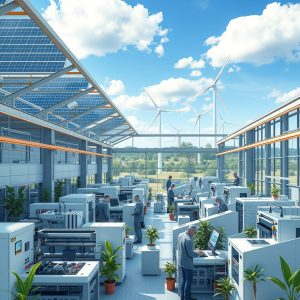
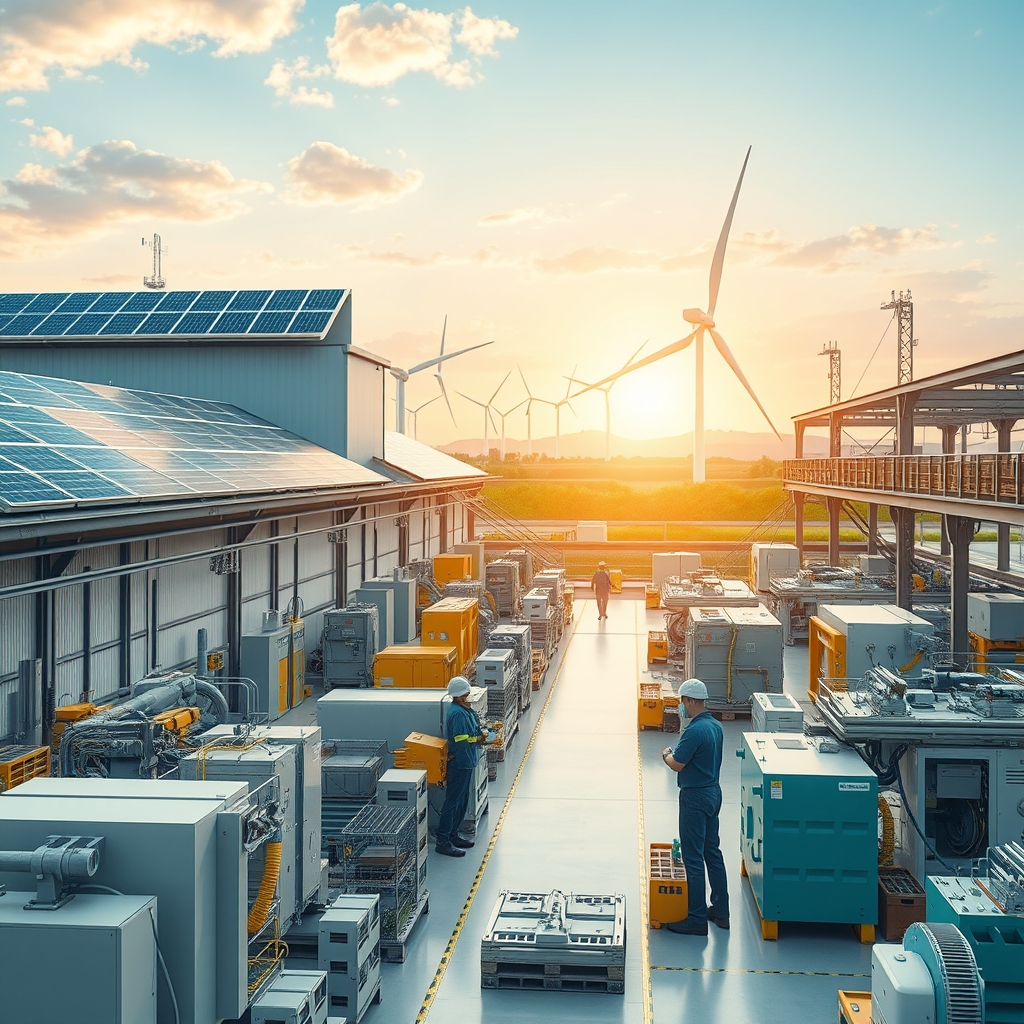
Green electronics production is another pillar of this revolution. This involves integrating renewable energy sources into the manufacturing process, reducing the carbon footprint of production facilities. Solar panels, wind turbines, and other renewable energy solutions are becoming commonplace in tech manufacturing plants, powering the creation of the devices we rely on daily.
Ethical Material Sourcing
Ethical material sourcing is also crucial. Companies are increasingly prioritizing the use of materials that are responsibly sourced and have a minimal environmental impact. This includes everything from the metals used in circuit boards to the plastics in casings. By ensuring that materials are sourced ethically, manufacturers can reduce their environmental footprint and support sustainable practices throughout the supply chain.
Closed Loop Manufacturing
Closed loop manufacturing is a key strategy in this green revolution. This approach involves recycling and reusing materials from old products to create new ones. For example, old smartphones can be disassembled, and their components can be repurposed to build new devices. This not only reduces waste but also conserves valuable resources.
Low Carbon Tech Prototyping
Low carbon tech prototyping is another innovative practice. By using advanced simulation tools and 3D printing technologies, manufacturers can create prototypes with minimal material waste and energy consumption. This allows for more sustainable product development, reducing the environmental impact of the prototyping phase.
Eco-Conscious Engineering
Eco-conscious engineering is at the heart of this revolution. Engineers are now designing products with sustainability in mind, from the choice of materials to the energy efficiency of the final product. This holistic approach ensures that every aspect of the product lifecycle is optimized for minimal environmental impact.
Waste Reduction Strategies
Waste reduction strategies are essential in this green revolution. Manufacturers are implementing various techniques to minimize waste, such as lean manufacturing principles and just-in-time inventory management. These strategies help reduce the amount of waste generated during production, making the process more efficient and sustainable.
Life Cycle Assessment
Life cycle assessment (LCA) is a critical tool in this revolution. LCA involves evaluating the environmental impact of a product throughout its entire lifecycle, from raw material extraction to disposal. By conducting LCAs, manufacturers can identify areas where they can reduce their environmental footprint and make more informed decisions about product design and materials.
Transparent Green Supply
Transparent green supply chains are becoming the norm. Manufacturers are increasingly focusing on transparency, ensuring that every step of the supply chain is sustainable and ethical. This includes working with suppliers who adhere to strict environmental and social standards, and providing consumers with information about the sustainability of their products.
Sustainable Component Innovation
Innovation in sustainable components is driving this revolution. Companies are developing new materials and technologies that are more environmentally friendly, such as bio-based plastics and recyclable metals. These innovations are making it possible to create products that are not only functional but also sustainable.
Resource Efficient Production
Resource-efficient production is a key focus. Manufacturers are implementing practices that maximize the use of resources, such as using recycled materials and optimizing production processes to reduce waste. This ensures that resources are used efficiently, minimizing the environmental impact of production.
Bio-Based Tech Materials
Bio-based tech materials are gaining traction. These materials are derived from renewable biological resources, such as plants and algae, and are used to create products that are more sustainable. By incorporating bio-based materials into tech manufacturing, companies can reduce their reliance on finite resources and lower their environmental impact.
Climate Positive Manufacturing
Climate positive manufacturing is the ultimate goal. This involves not only reducing the environmental impact of production but also actively contributing to the restoration of the environment. Companies are implementing practices that go beyond sustainability, such as planting trees and investing in renewable energy projects, to create a net positive impact on the environment.
Energy Optimized Fabrication
Energy optimized fabrication is another important aspect. Manufacturers are using advanced technologies to optimize the energy consumption of their production processes. This includes using energy-efficient machinery and implementing smart energy management systems to reduce energy waste and lower carbon emissions.
Minimalist Tech Design
Minimalist tech design is becoming more prevalent. By designing products with simplicity and functionality in mind, manufacturers can reduce the amount of material used and minimize waste. This approach not only creates more sustainable products but also enhances their usability and longevity.
Recyclable Product Architecture
Recyclable product architecture is a key innovation. By designing products with recyclability in mind, manufacturers can ensure that they can be easily disassembled and recycled at the end of their lifecycle. This reduces waste and conserves valuable resources, making the product lifecycle more sustainable.
Conscious Innovation Workflows
Conscious innovation workflows are essential. By integrating sustainability into every stage of the innovation process, from research and development to production and disposal, manufacturers can create products that are not only innovative but also sustainable. This holistic approach ensures that sustainability is a core value of the innovation process.
As we look to the future, it is clear that the green revolution in tech manufacturing is not just a trend but a necessity. By embracing sustainable practices, we can create a more environmentally friendly and resilient industry. The journey towards sustainability is ongoing, but with each step, we move closer to a future where technology and the environment coexist harmoniously. The green revolution is here, and it is transforming the way we think about tech manufacturing, one sustainable innovation at a time.