The Green Revolution: Pioneering Sustainable Tech Manufacturing

Embracing Circular Design Processes
In the heart of Silicon Valley, a new wave of innovation is sweeping through the tech industry. Companies are increasingly adopting circular design processes, a paradigm shift that prioritizes sustainability from the very inception of product development. This approach ensures that every component is designed with its end-of-life in mind, fostering a closed-loop system where materials are continuously reused and recycled.
Green Electronics Production
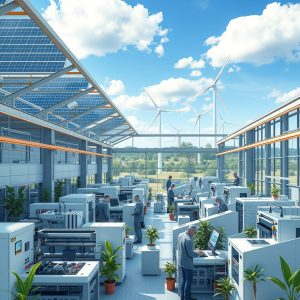
Green electronics production is no longer a niche concept but a mainstream practice. Manufacturers are integrating renewable energy sources into their production lines, reducing their carbon footprint significantly. Solar panels, wind turbines, and other renewable energy technologies are becoming commonplace in tech manufacturing facilities, powering the creation of the next generation of devices.
Ethical Material Sourcing
Ethical material sourcing is another cornerstone of sustainable tech manufacturing. Companies are scrutinizing their supply chains to ensure that raw materials are obtained responsibly. This includes avoiding conflict minerals, supporting fair labor practices, and promoting environmental stewardship. Transparent green supply chains are becoming the norm, with consumers demanding accountability and sustainability at every step.
Low Carbon Tech Prototyping
Low carbon tech prototyping is revolutionizing the way new products are developed. Engineers are employing advanced simulation tools and 3D printing technologies to create prototypes with minimal waste. This not only reduces the environmental impact but also accelerates the innovation process, allowing for quicker iterations and improvements.
Eco-Conscious Engineering
Eco-conscious engineering is at the forefront of sustainable tech manufacturing. Engineers are designing products with energy efficiency in mind, ensuring that devices consume less power and have a longer lifespan. This approach not only benefits the environment but also enhances the user experience, as products become more reliable and cost-effective over time.
Waste Reduction Strategies
Waste reduction strategies are being implemented across the tech industry. From optimizing packaging materials to reducing electronic waste, companies are finding innovative ways to minimize their environmental impact. Initiatives such as take-back programs and recycling drives are becoming more prevalent, encouraging consumers to participate in the circular economy.
Life Cycle Assessment
Life cycle assessment (LCA) is a critical tool in sustainable tech manufacturing. By evaluating the environmental impact of a product throughout its entire life cycle, from raw material extraction to disposal, companies can identify areas for improvement. This holistic approach ensures that sustainability is integrated into every aspect of the product’s journey.
Sustainable Component Innovation
Sustainable component innovation is driving the development of new materials and technologies. Bio-based tech materials, such as bioplastics and biodegradable components, are gaining traction. These materials offer a more sustainable alternative to traditional plastics, reducing the environmental impact of electronic devices.
Resource Efficient Production
Resource efficient production is a key focus for tech manufacturers. By optimizing production processes and reducing energy consumption, companies can minimize their environmental footprint. Advanced manufacturing techniques, such as additive manufacturing and lean production, are being employed to achieve greater efficiency and sustainability.
Climate Positive Manufacturing
Climate positive manufacturing is the ultimate goal for many tech companies. By not only reducing their carbon emissions but also actively removing carbon from the atmosphere, these companies are setting a new standard for sustainability. Initiatives such as reforestation projects and carbon capture technologies are being integrated into manufacturing processes, creating a positive impact on the environment.
Energy Optimized Fabrication
Energy optimized fabrication is transforming the way products are made. By using energy-efficient machinery and optimizing production lines, manufacturers can significantly reduce their energy consumption. This not only lowers operational costs but also contributes to a more sustainable future.
Minimalist Tech Design
Minimalist tech design is gaining popularity as consumers seek products that are both functional and sustainable. By focusing on essential features and reducing unnecessary components, designers can create products that are more durable and eco-friendly. This approach not only benefits the environment but also enhances the user experience, as products become simpler and more intuitive to use.
Recyclable Product Architecture
Recyclable product architecture is a key consideration in sustainable tech manufacturing. By designing products with disassembly and recycling in mind, companies can ensure that materials are reused and repurposed at the end of their life cycle. This approach not only reduces waste but also conserves valuable resources, contributing to a more circular economy.
Conscious Innovation Workflows
Conscious innovation workflows are being adopted by tech companies to ensure that sustainability is integrated into every stage of the product development process. By involving stakeholders from different departments, including design, engineering, and marketing, companies can create products that are not only innovative but also environmentally responsible.
As the tech industry continues to evolve, the focus on sustainability is becoming increasingly important. By embracing circular design processes, green electronics production, ethical material sourcing, and other sustainable practices, companies can create a more environmentally friendly future. The journey towards sustainable tech manufacturing is not without its challenges, but with innovation and collaboration, it is a goal that is well within reach. The future of tech is green, and it is up to us to ensure that it remains that way.