The Green Circuitry: Crafting Tomorrow’s Electronics Through Sustainable Tech Manufacturing
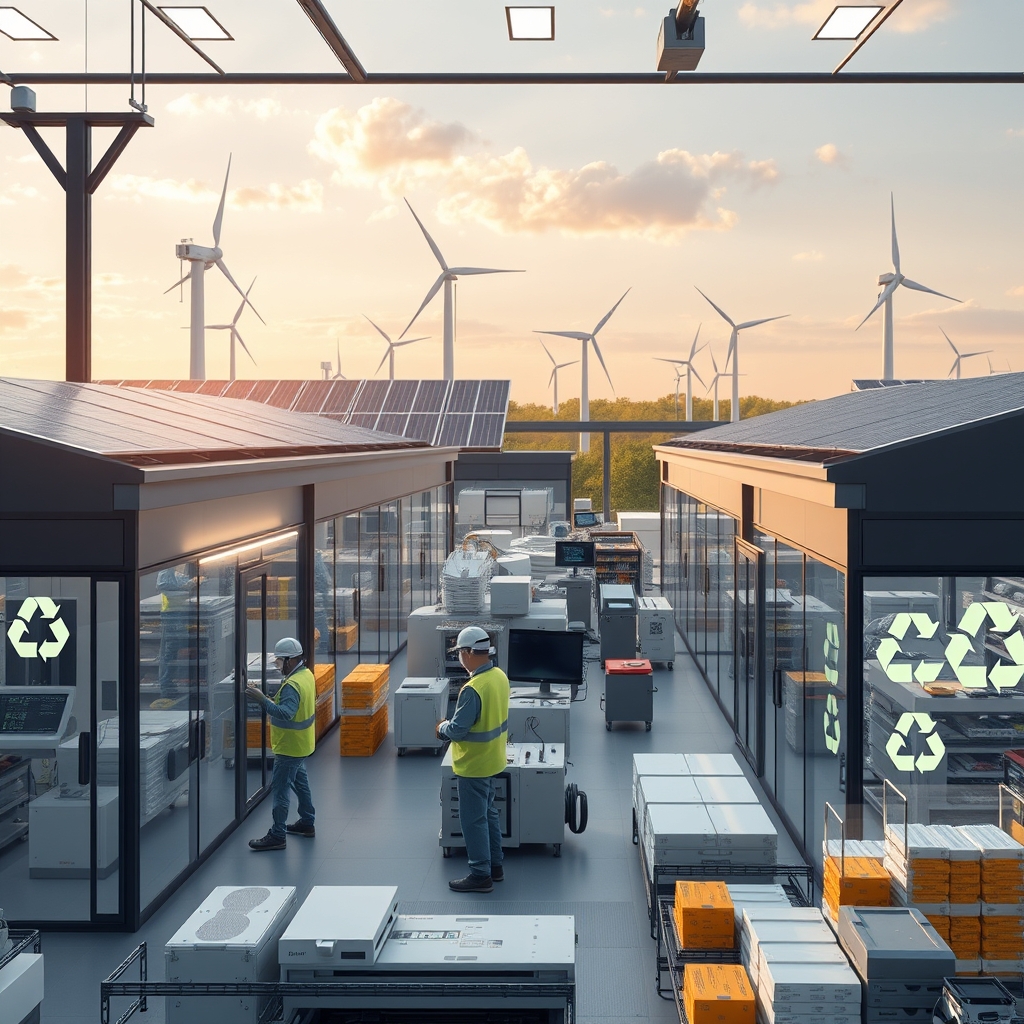
In the heart of a bustling tech hub, a revolution is quietly unfolding. It’s not the next big gadget or the latest software update, but a fundamental shift in how we create and consume technology. This is the world of sustainable tech manufacturing, where innovation meets responsibility, and the future of electronics is being redefined.
Circular Design Processes: The Blueprint for Sustainability
At the core of this green revolution is the concept of circular design. Unlike traditional linear models that follow a ‘take, make, waste’ approach, circular design aims to eliminate waste and the continual use of resources. It’s about creating products that can be disassembled, repaired, and recycled, ensuring that materials stay in use for as long as possible.
Green Electronics Production: A New Paradigm
Green electronics production is not just about reducing carbon emissions; it’s about reimagining the entire manufacturing process. This includes using renewable energy sources, implementing waste reduction strategies, and conducting life cycle assessments to understand the environmental impact of products from cradle to grave.
Renewable Energy Integration: Powering the Future
Renewable energy integration is a key component of sustainable tech manufacturing. By harnessing the power of the sun, wind, and other renewable sources, manufacturers can significantly reduce their carbon footprint. This not only benefits the environment but also makes economic sense, as renewable energy costs continue to decrease.
Ethical Material Sourcing: The Foundation of Sustainability
Ethical material sourcing is another critical aspect. This involves ensuring that the materials used in production are sourced responsibly, with consideration for environmental and social impacts. It’s about creating a transparent green supply chain that benefits both people and the planet.
Closed Loop Manufacturing: The Circular Economy in Action
Closed loop manufacturing is the practical application of circular design. It involves designing products so that they can be easily disassembled and their components reused or recycled. This not only reduces waste but also conserves valuable resources.
Low Carbon Tech Prototyping: The First Step Towards Sustainability
Low carbon tech prototyping is the starting point for creating sustainable products. By using eco-conscious engineering practices and resource-efficient production methods, manufacturers can minimize the environmental impact of their prototypes.
Eco Conscious Engineering: Designing for the Future
Eco conscious engineering is about more than just reducing emissions; it’s about designing products that are inherently sustainable. This includes using recyclable product architecture and bio-based tech materials to create products that are both functional and environmentally friendly.
Waste Reduction Strategies: Minimizing Environmental Impact
Waste reduction strategies are essential for minimizing the environmental impact of manufacturing. This includes everything from reducing packaging waste to implementing recycling programs and using minimalist tech design principles.
Life Cycle Assessment: Understanding Environmental Impact
Life cycle assessment is a crucial tool for understanding the environmental impact of products. By analyzing the entire life cycle of a product, from raw material extraction to end-of-life disposal, manufacturers can identify areas for improvement and make more informed decisions.
Transparent Green Supply: Building Trust and Accountability
Transparent green supply is about building trust and accountability in the supply chain. This involves being open about sourcing practices, manufacturing processes, and environmental impact, ensuring that consumers can make informed choices.
Sustainable Component Innovation: The Future of Electronics
Sustainable component innovation is the key to the future of electronics. By developing new materials and technologies that are both functional and environmentally friendly, manufacturers can create products that are truly sustainable.
Resource Efficient Production: Maximizing Output, Minimizing Waste
Resource efficient production is about maximizing output while minimizing waste. This includes using energy-optimized fabrication techniques and implementing waste reduction strategies to create a more sustainable manufacturing process.
Bio Based Tech Materials: The Next Frontier
Bio based tech materials are the next frontier in sustainable manufacturing. By using materials derived from renewable sources, manufacturers can reduce their reliance on finite resources and create products that are both functional and environmentally friendly.
Climate Positive Manufacturing: Going Beyond Neutral
Climate positive manufacturing is about going beyond neutrality and actively contributing to a healthier planet. This involves implementing strategies that not only reduce emissions but also actively remove carbon from the atmosphere.
Energy Optimized Fabrication: Efficiency in Action
Energy optimized fabrication is about creating a more efficient manufacturing process. By using advanced technologies and best practices, manufacturers can reduce energy consumption and minimize their environmental impact.
Minimalist Tech Design: Less is More
Minimalist tech design is about creating products that are both functional and aesthetically pleasing, without unnecessary features or complexity. This not only reduces waste but also creates products that are more durable and easier to repair.
Recyclable Product Architecture: Designing for the End of Life
Recyclable product architecture is about designing products with the end of life in mind. By creating products that can be easily disassembled and their components recycled, manufacturers can ensure that materials stay in use for as long as possible.
Conscious Innovation Workflows: The Path to Sustainability
Conscious innovation workflows are the path to sustainability. By integrating sustainability into every stage of the innovation process, from research and development to manufacturing and disposal, manufacturers can create products that are truly sustainable.
As we look to the future, it’s clear that sustainable tech manufacturing is not just a trend, but a necessity. By embracing circular design, renewable energy, ethical sourcing, and other sustainable practices, we can create a future where technology and the environment coexist harmoniously. The green circuitry of tomorrow is being woven today, and it’s up to us to ensure that it’s a tapestry of sustainability, innovation, and responsibility.