
The Silent Pulse of Progress: How Smart Grid Technology is Orchestrating the Future of Renewable Energy
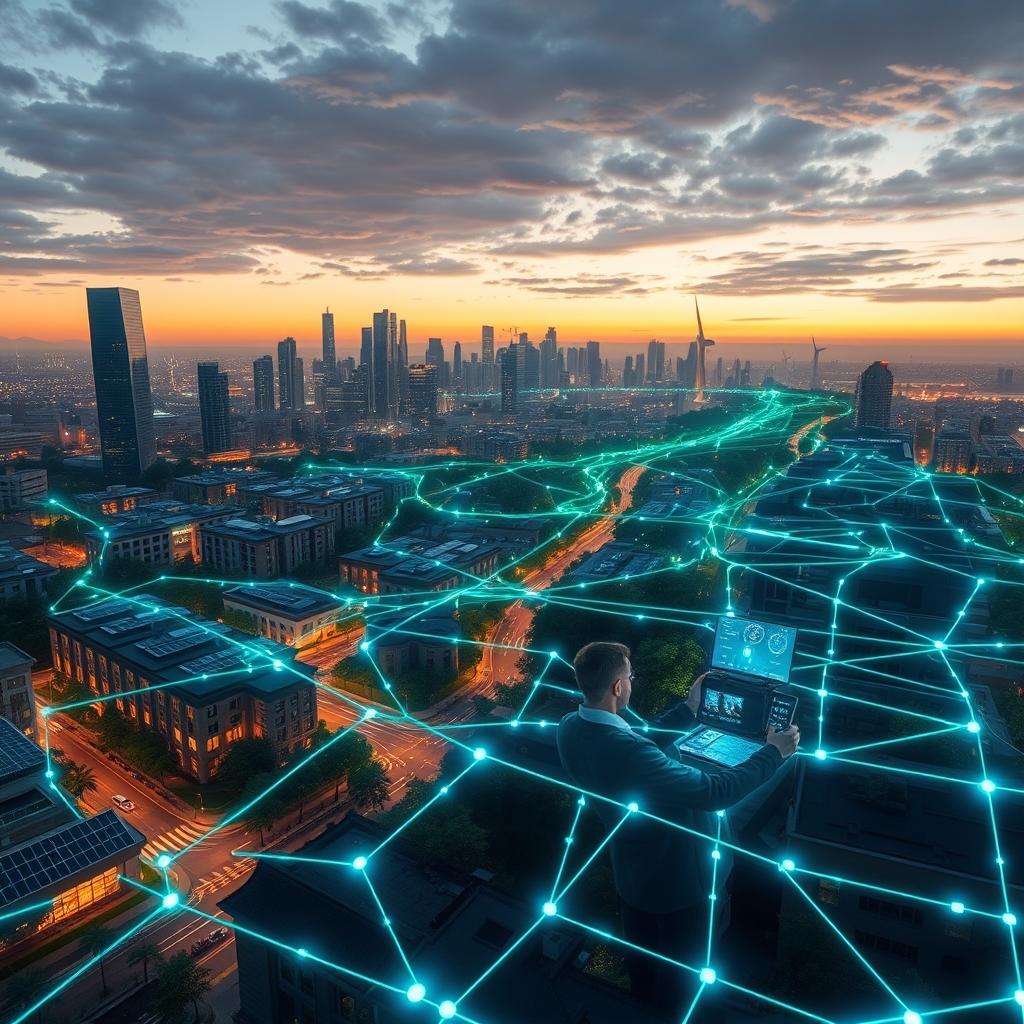
The hum of a city at night is no longer just the sound of traffic or distant conversations—it is the quiet, rhythmic pulse of an energy revolution. Beneath the glow of streetlights and the flicker of neon signs, an invisible network breathes life into the modern world, balancing demand and supply with the precision of a symphony conductor. This is the smart grid, the unsung hero of the renewable energy transition, weaving together solar farms, wind turbines, and energy storage systems into a seamless, self-regulating tapestry of power.
The Grid Reimagined
For over a century, electrical grids have operated on a one-way street: power plants generate electricity, and consumers passively receive it. But as the world pivots toward decentralized, renewable energy sources, this outdated model is crumbling under the weight of its own inefficiency. Enter the smart grid—a dynamic, two-way system that leverages digital technology to monitor, analyze, and optimize energy flow in real time. Unlike its rigid predecessor, the smart grid is adaptive, responsive, and intelligent, capable of integrating diverse energy sources while minimizing waste and maximizing reliability.
At the heart of this transformation lies the Internet of Things (IoT). Millions of sensors embedded in power lines, substations, and even household appliances collect data on energy consumption, weather patterns, and grid performance. This information is fed into advanced algorithms that predict demand surges, reroute power during outages, and even adjust pricing to encourage off-peak usage. The result? A grid that doesn’t just deliver electricity—it learns, evolves, and anticipates.
The Solar Symphony
Solar energy, once a niche player in the energy sector, has become a cornerstone of the smart grid’s success. Traditional grids struggle with the intermittency of solar power—clouds pass, the sun sets, and production fluctuates. But smart grids turn this challenge into an opportunity. By pairing solar arrays with cutting-edge energy storage systems, excess power generated during peak sunlight hours can be stored and deployed when demand spikes or the sun isn’t shining. Battery technologies, from lithium-ion to emerging flow batteries, act as the grid’s lungs, inhaling surplus energy and exhaling it when needed.
Moreover, smart grids enable prosumers—consumers who also produce energy—to feed excess solar power back into the system. Rooftop solar panels, once isolated from the grid, now function as miniature power plants, contributing to a decentralized energy ecosystem. This not only reduces strain on centralized infrastructure but also empowers communities to take control of their energy future.
The Dance of Demand and Supply
One of the smart grid’s most revolutionary features is its ability to engage consumers in the energy equation. Through smart meters and real-time apps, households and businesses can track their energy usage, receive personalized recommendations for efficiency, and even participate in demand-response programs. During periods of high demand, utilities can remotely adjust thermostats, dim non-essential lighting, or delay the charging of electric vehicles—all with the consumer’s consent. This delicate dance between supply and demand not only prevents blackouts but also reduces the need for fossil fuel-powered peaker plants, which are typically fired up during peak hours.
Artificial intelligence takes this a step further. Machine learning models analyze historical data to predict energy needs with uncanny accuracy, allowing grids to preemptively adjust production and storage. In regions with high solar penetration, AI can forecast cloud cover and adjust battery storage accordingly, ensuring a steady flow of power even when the skies darken. The grid is no longer a static entity; it is a living, breathing organism, constantly optimizing itself for efficiency and resilience.
Beyond Electricity: The Grid as a Platform
The smart grid’s potential extends far beyond electricity distribution. As electric vehicles (EVs) become mainstream, the grid is evolving into a platform for transportation energy. Vehicle-to-grid (V2G) technology allows EVs to not only draw power from the grid but also return it during peak demand. Imagine a fleet of parked cars acting as a virtual power plant, stabilizing the grid while their owners earn credits for the energy they contribute. This symbiotic relationship between transportation and energy infrastructure is a glimpse into a future where sectors once siloed are now interconnected and interdependent.
Similarly, the smart grid is paving the way for microgrids—localized energy systems that can operate independently or in conjunction with the main grid. In remote communities or disaster-prone areas, microgrids powered by solar, wind, and storage can provide resilience against outages. During Hurricane Maria, Puerto Rico’s microgrids kept hospitals and emergency services running when the main grid collapsed. These localized systems are not just a backup plan; they are a blueprint for a more decentralized, democratic energy future.
The Human Element
For all its technological marvels, the smart grid’s success hinges on human adoption. Public awareness campaigns, incentives for energy-efficient appliances, and transparent pricing models are essential to fostering a culture of participation. Cities like Amsterdam and Copenhagen have led the way, integrating smart grids into their broader sustainability goals and engaging citizens through education and innovation challenges. The transition to a smarter grid is not just about hardware and software—it’s about people, policies, and a shared vision for a cleaner, more equitable energy landscape.
The quiet revolution unfolding within our energy infrastructure is a testament to human ingenuity. As solar panels glint on rooftops and wind turbines spin in harmony with the breeze, the smart grid orchestrates this symphony of renewables with precision and grace. It is a reminder that the future of energy is not a distant dream but a present reality, pulsing beneath our feet, waiting to be harnessed. The grid is no longer just a network of wires and substations; it is the nervous system of a sustainable world, connecting us all to a brighter, cleaner future.


