Harnessing Tomorrow: The Converging Power of Biotechnology and Renewable Energy
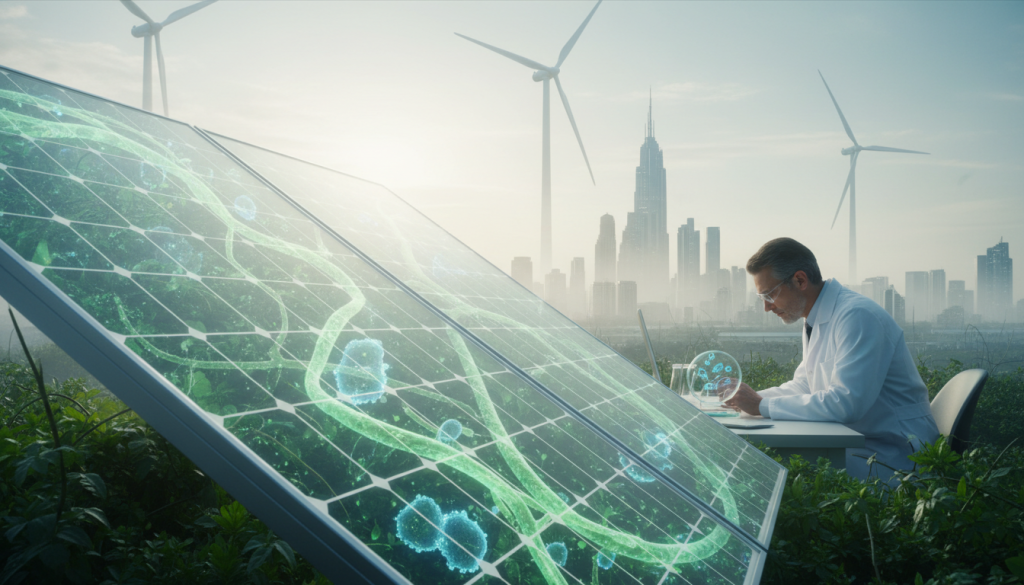
The 21st century is defined by an accelerating pace of technological advancement, nowhere more evident than in the synergistic fields of biotechnology and renewable energy. These two pillars of innovation are not merely developing in parallel; they are increasingly intertwined, promising to reshape our world, our health, and our planet’s future. From bio-inspired solar cells to genetically engineered microbes that produce clean fuels, the fusion of these disciplines is unlocking solutions to some of humanity’s most pressing challenges.
The Bio-Revolution in Energy Production
Biotechnology, once primarily associated with medicine and agriculture, is now a powerful engine driving innovation in the energy sector. Bioengineering advances are enabling the creation of novel materials and processes that enhance the efficiency and sustainability of energy generation. For instance, researchers are exploring the use of photosynthetic organisms, like algae and cyanobacteria, to produce biofuels. These ‘bio-factories’ can convert sunlight, water, and carbon dioxide into energy-rich compounds, offering a renewable alternative to fossil fuels with a significantly lower carbon footprint. This represents a significant leap in clean energy innovation, moving beyond traditional solar and wind power to harness the inherent energy-generating capabilities of life itself.
Furthermore, genetic engineering is playing a crucial role in optimizing these biological systems. By modifying the genetic makeup of these microorganisms, scientists can increase their yield of biofuels, improve their resilience to environmental conditions, and even tailor the type of fuel produced. This level of precision allows for the development of highly efficient and cost-effective bioenergy solutions, making them increasingly competitive with conventional energy sources. The potential extends to waste-to-energy systems, where engineered microbes can break down organic waste materials, generating biogas or other forms of usable energy, thereby addressing both waste management and energy needs simultaneously.
Solar Technology Enhanced by Nature
The realm of solar technology solutions is also experiencing a profound transformation thanks to bio-inspired designs and biotechnological integration. Traditional solar panel installation relies on silicon-based photovoltaic cells, which, while effective, have limitations in terms of manufacturing complexity and material costs. Biotechnology is offering elegant alternatives. Researchers are developing ‘bio-hybrid’ solar cells that mimic the light-harvesting mechanisms of plants. These cells utilize organic molecules, often derived from biological sources or inspired by natural pigments, to capture sunlight more efficiently and at a lower cost.
One exciting area is the development of dye-sensitized solar cells (DSSCs) that incorporate natural pigments, such as chlorophyll or anthocyanins. These pigments absorb sunlight and transfer the energy to a semiconductor material, generating electricity. The simplicity of manufacturing and the potential for flexibility and transparency open up new applications for solar energy, from integration into windows and fabrics to portable power generation. Moreover, advancements in bioengineering are leading to self-healing materials for solar panels, inspired by biological repair mechanisms. These materials could significantly extend the lifespan of solar energy systems, reducing maintenance costs and waste.
Smart Grids and Energy Storage: The Bio-Integration
The concept of a smart grid technology is fundamental to managing the intermittent nature of renewable energy sources. Biotechnology can contribute to this ecosystem in unexpected ways. For example, bio-sensors are being developed to monitor the health and performance of grid infrastructure, detecting issues before they lead to failures. In the realm of energy storage systems, biotechnology offers promising avenues. Microbial fuel cells, which generate electricity from the metabolic activity of microorganisms, are being explored as a means of distributed energy storage. While currently more nascent than battery technology, they hold potential for long-term, sustainable energy storage, particularly in off-grid applications.
Furthermore, research into materials science, often informed by biological structures, is yielding breakthroughs in battery technology. The development of bio-derived electrolytes or more efficient electrode materials could lead to safer, more powerful, and more sustainable energy storage solutions. This is critical for ensuring the reliability of renewable energy systems, allowing us to store excess solar or wind power for use when demand is high or generation is low. The integration of these advanced storage capabilities with smart grid management systems will be crucial for a fully decarbonized energy future.
The Future is Sustainable and Intelligent
The convergence of biotechnology and renewable energy represents a paradigm shift towards a more sustainable and intelligent future. This synergy is not just about developing new gadgets or improving existing technologies; it’s about fundamentally rethinking our relationship with energy and the environment. As bioengineering advances continue to push the boundaries of what’s possible, and as solar technology solutions become more integrated and efficient, we are moving closer to a world powered by clean, abundant, and intelligent energy systems. The ongoing exploration into advanced biotech research and eco-friendly technology is paving the way for next-generation technologies that will not only meet our energy demands but also heal our planet. The journey towards this future is one of continuous innovation, collaboration, and a deep respect for the intricate systems that nature has perfected over millennia, offering us blueprints for a truly sustainable existence.