
The Solar-Bio Nexus: How Synthetic Biology and Photovoltaics Are Crafting the Next Era of Self-Sustaining Energy Ecosystems
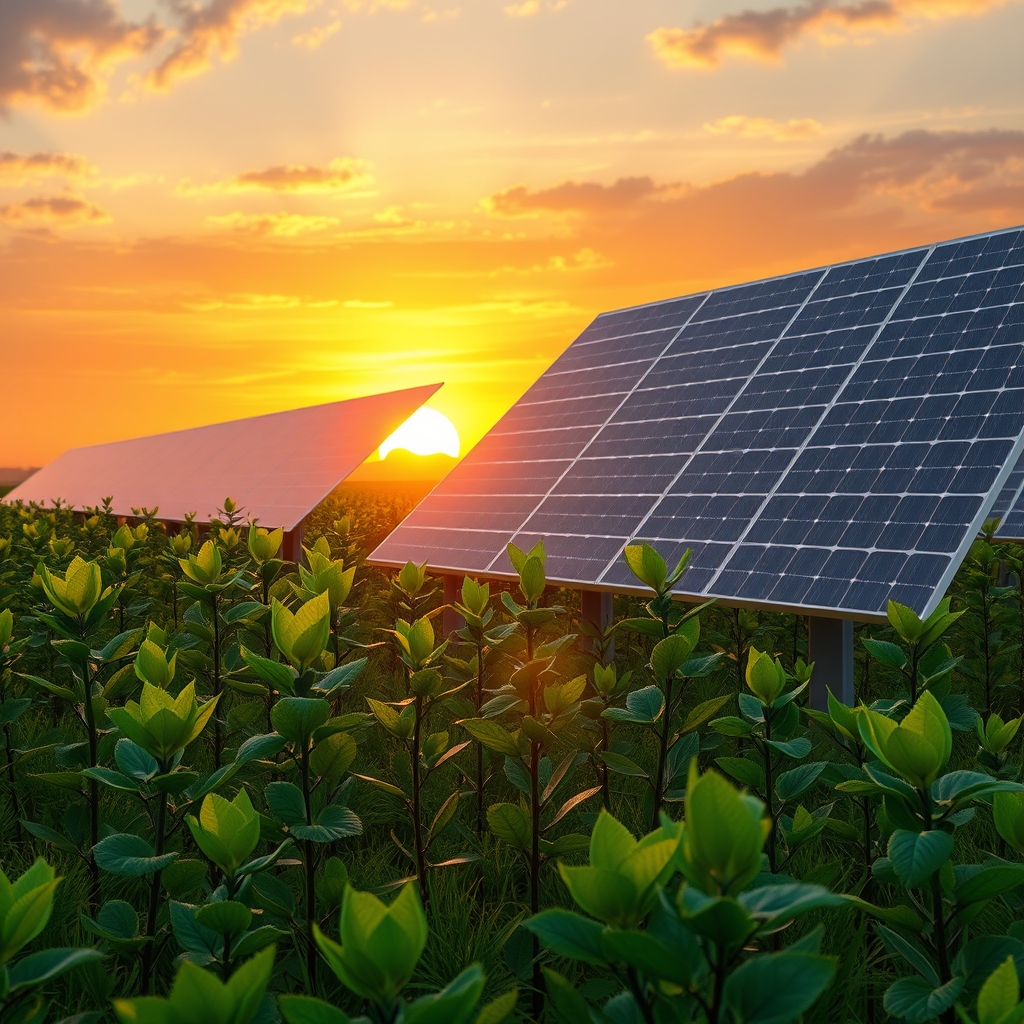
In the heart of the renewable energy revolution, a silent partnership is forming between two seemingly disparate fields: synthetic biology and photovoltaics. This Solar-Bio Nexus is not just a technological marvel; it’s a testament to humanity’s ingenuity in crafting a sustainable future. The synergy between these two fields is paving the way for self-sustaining energy ecosystems that could redefine our relationship with the environment.
The Birth of a New Energy Paradigm
The journey of this Solar-Bio Nexus began with the realization that the most efficient energy systems on Earth are not man-made, but natural. Photosynthesis, the process by which plants convert sunlight into energy, is a masterclass in efficiency. It’s a reminder that nature’s solutions are often the most sustainable. Synthetic biologists, inspired by this natural phenomenon, started to explore how they could mimic and enhance these processes.
Synthetic Biology: The Alchemists of the 21st Century
Synthetic biology is a rapidly evolving field that combines principles from biology, engineering, and computer science to design and construct new biological parts, devices, and systems. It’s like having a toolkit that allows us to rewrite the genetic code of living organisms. In the context of renewable energy, synthetic biologists are engineering microorganisms to produce biofuels, capture carbon dioxide, and even generate electricity.
Photovoltaics: Harnessing the Power of the Sun
Photovoltaics, on the other hand, is the direct conversion of light into electricity using semiconducting materials. It’s the technology that powers solar panels, the most visible symbol of the renewable energy transition. However, like any technology, photovoltaics has its limitations. Efficiency, cost, and durability are key challenges that researchers are constantly striving to overcome.
The Solar-Bio Nexus: A Marriage of Two Worlds
The Solar-Bio Nexus is more than just a combination of these two fields. It’s a symbiotic relationship where each field enhances the other. Synthetic biology provides the ‘brain’ that can optimize and control the photovoltaic systems, while photovoltaics provides the ‘power’ that drives the biological processes. Together, they form a self-sustaining loop where energy is not just generated, but also stored and utilized efficiently.
Bio-Photovoltaic Systems: The Future of Energy Storage
One of the most exciting applications of the Solar-Bio Nexus is in the realm of energy storage. Traditional batteries have their limitations, but bio-photovoltaic systems could offer a sustainable alternative. These systems use biological materials to store and release energy, mimicking the way plants store energy in the form of sugars. The potential here is immense, as these systems could be more efficient, longer-lasting, and environmentally friendly.
Bioengineered Photovoltaics: Enhancing Efficiency and Durability
Another area where the Solar-Bio Nexus is making waves is in the enhancement of photovoltaic materials. By incorporating biological components into the solar cells, researchers are able to create materials that are more efficient at converting sunlight into electricity. Additionally, these bioengineered materials can self-repair, a feature that could significantly increase the lifespan of solar panels.
The Solar-Bio Nexus is not just a technological marvel; it’s a testament to humanity’s ability to learn from nature and apply that knowledge to create a sustainable future. As we continue to explore and understand this partnership, we’re not just advancing the field of renewable energy, but also gaining a deeper appreciation for the intricate balance of life on Earth. The future of energy is not just about harnessing the power of the sun, but also about understanding and respecting the life that shares this planet with us.