The Solar-Bio Nexus: How Synthetic Biology and Photovoltaics Are Crafting the Next Era of Self-Sustaining Energy Ecosystems
The sun, a boundless source of energy, has always been a beacon of hope for humanity’s quest for sustainable power. In recent years, the intersection of synthetic biology and photovoltaics has emerged as a promising frontier, heralding a new era of self-sustaining energy ecosystems. This article delves into the fascinating world of solar-bio nexus, exploring how these two fields are converging to create innovative solutions for our energy needs.
The Rise of Synthetic Biology
Synthetic biology, a rapidly evolving field at the intersection of biology and engineering, involves the design and construction of new biological parts, devices, and systems. It aims to create novel biological functions and systems that do not exist in nature. This field has the potential to revolutionize various industries, including energy, by enabling the development of more efficient, sustainable, and cost-effective solutions.
The Evolution of Photovoltaics
Photovoltaics, the direct conversion of light into electricity using semiconducting materials, has been a cornerstone of renewable energy technology. Over the years, significant advancements have been made in this field, leading to more efficient and affordable solar panels. However, the quest for even higher efficiency and sustainability continues, driving the exploration of innovative materials and technologies.
The Solar-Bio Nexus: A Synergistic Partnership
The solar-bio nexus represents a synergistic partnership between synthetic biology and photovoltaics. By combining the best of both worlds, this nexus has the potential to create self-sustaining energy ecosystems that can efficiently harness solar energy and convert it into usable power. This article explores some of the key areas where this synergy is being harnessed.
Bioengineered Enzymes for Energy Storage
One of the most promising areas of the solar-bio nexus is the use of bioengineered enzymes for energy storage. These enzymes, which are naturally occurring proteins that catalyze chemical reactions, can be engineered to enhance the efficiency of energy storage systems. By integrating these enzymes into solar energy systems, it is possible to create more sustainable and cost-effective solutions for storing and releasing energy as needed.
Solar-Powered Microbiome for Energy Conversion
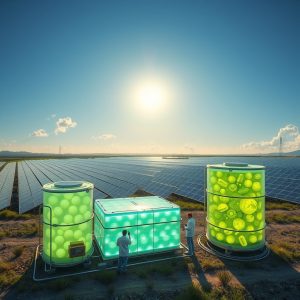
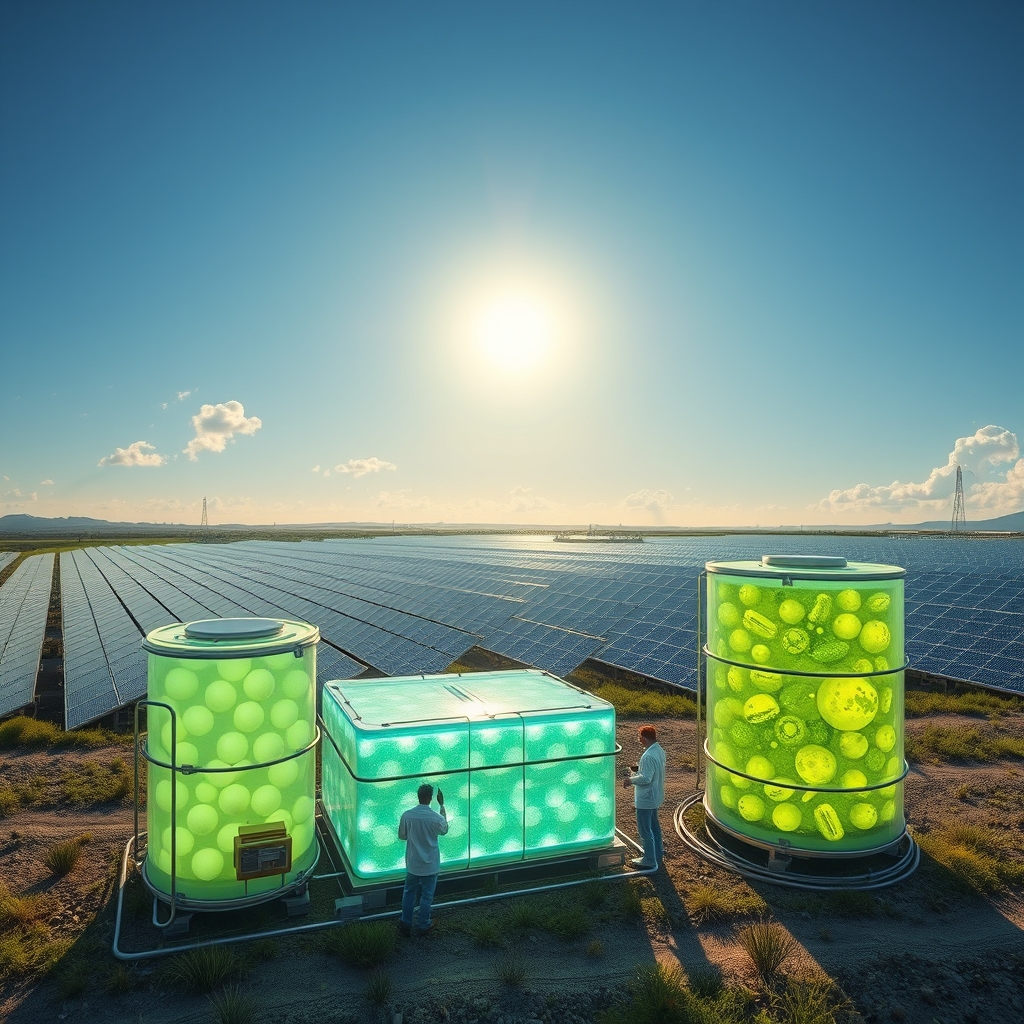
Another exciting area of the solar-bio nexus is the use of solar-powered microbiomes for energy conversion. Microorganisms, such as bacteria and algae, have the ability to convert sunlight into chemical energy through photosynthesis. By harnessing the power of these microorganisms, it is possible to create more efficient and sustainable solar energy systems. Additionally, these microbiomes can be used to convert waste products into valuable energy sources, further enhancing the sustainability of the system.
Bioengineered Energy Storage Systems
The solar-bio nexus also extends to the development of bioengineered energy storage systems. By using biological materials and processes, it is possible to create energy storage systems that are more sustainable, efficient, and cost-effective. These systems can store energy in the form of chemical bonds, which can be released as needed to provide power. The integration of synthetic biology into energy storage systems represents a significant step towards the development of more sustainable and efficient energy solutions.
Smart Grid Technology and Bioengineered Energy Storage
Smart grid technology, which involves the use of digital technology to improve the efficiency and reliability of energy distribution, is another area where the solar-bio nexus is making a significant impact. By integrating bioengineered energy storage systems into smart grids, it is possible to create more efficient and sustainable energy ecosystems. These systems can store and release energy as needed, helping to balance the supply and demand of energy in real-time.
The solar-bio nexus represents a promising frontier in the quest for sustainable energy solutions. By combining the power of synthetic biology and photovoltaics, it is possible to create self-sustaining energy ecosystems that can efficiently harness solar energy and convert it into usable power. As research and development in this field continue to advance, we can expect to see even more innovative and sustainable solutions emerge, paving the way for a brighter and greener future.