The Green Wave: Riding the Tide of Sustainable Tech Manufacturing
In the heart of the 21st century, a revolution is brewing in the tech industry. It’s not about the next big gadget or the fastest processor, but about a fundamental shift in how we create and consume technology. Sustainable tech manufacturing is no longer a niche concept; it’s a wave that’s sweeping across the industry, driven by a collective desire to protect our planet and secure a sustainable future.
Circular Design Processes: The New Norm
At the core of this green wave are circular design processes. Unlike traditional linear models, which follow a ‘take, make, waste’ approach, circular design aims to eliminate waste and the continual use of resources. It’s about creating products that can be disassembled, repaired, and recycled, ensuring that materials remain in use for as long as possible.
Companies are increasingly adopting this approach, designing electronics with modular components that can be easily replaced or upgraded. This not only extends the lifespan of products but also reduces the need for new raw materials, minimizing the environmental impact.
Green Electronics Production: A Holistic Approach
Green electronics production goes beyond just the design phase. It encompasses the entire lifecycle of a product, from sourcing materials to manufacturing, use, and end-of-life disposal. This holistic approach is crucial in reducing the carbon footprint of tech manufacturing.
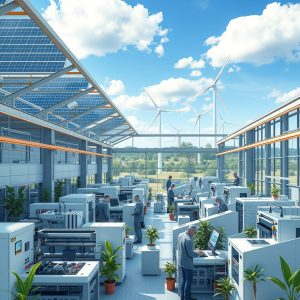
Renewable energy integration is a key aspect of this. By powering manufacturing facilities with renewable energy sources like solar or wind, companies can significantly reduce their greenhouse gas emissions. Additionally, ethical material sourcing ensures that the raw materials used are obtained responsibly, without causing harm to the environment or local communities.
Closed Loop Manufacturing: A Step Towards Zero Waste
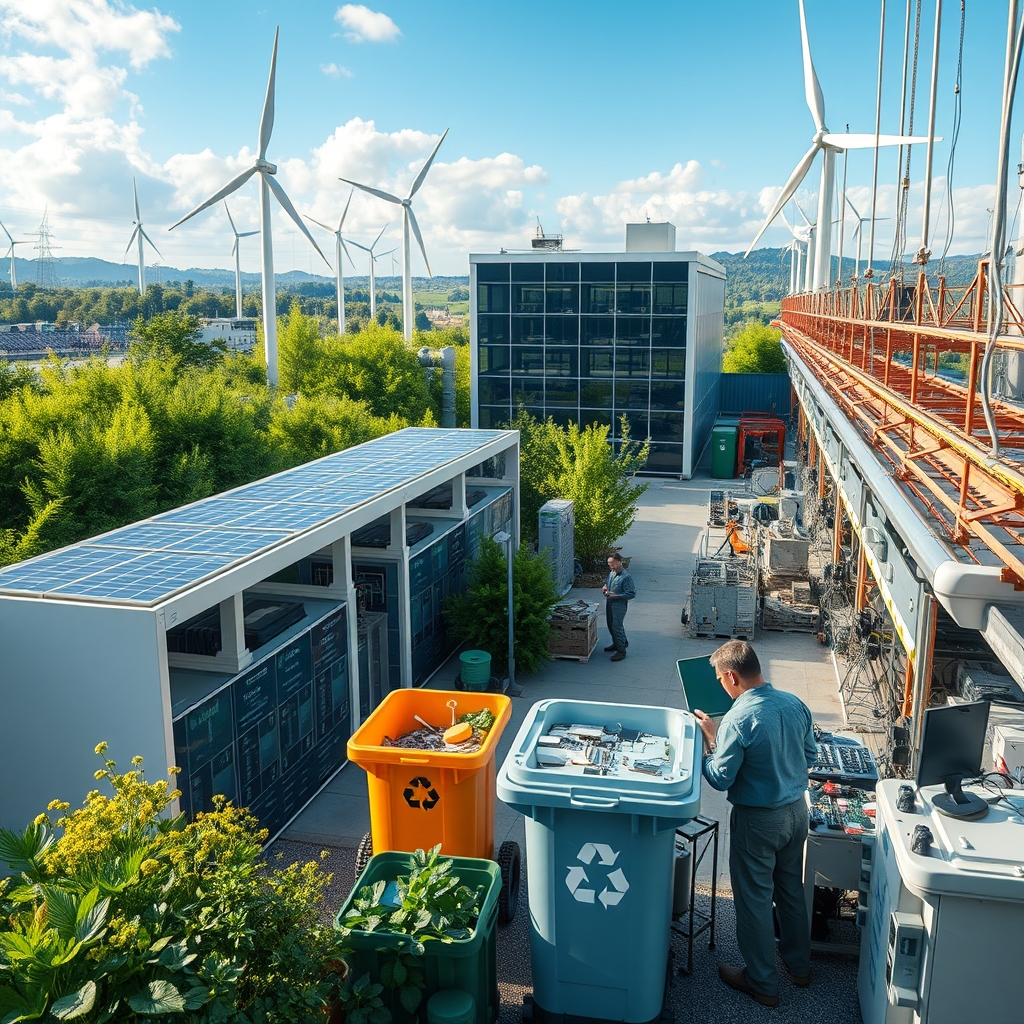
Closed loop manufacturing is another pillar of sustainable tech manufacturing. It involves creating a system where waste from one process is used as a resource for another, effectively eliminating waste. This approach is not only environmentally beneficial but also economically viable, as it reduces the need for new raw materials and lowers production costs.
Companies are implementing closed loop systems by recycling e-waste, using recycled materials in production, and even designing products that can be returned to the manufacturer for recycling at the end of their lifespan.
Eco-Conscious Engineering: The Future of Tech
Eco-conscious engineering is about more than just reducing waste; it’s about creating products that are inherently sustainable. This involves using bio-based tech materials, which are derived from renewable resources and have a lower environmental impact than traditional materials.
Low carbon tech prototyping is another aspect of eco-conscious engineering. By using materials and processes that emit fewer greenhouse gases, companies can reduce the carbon footprint of their products from the very beginning.
Resource-efficient production is also crucial. This involves optimizing manufacturing processes to use fewer resources, whether it’s energy, water, or raw materials. By doing so, companies can reduce their environmental impact and contribute to a more sustainable future.
The Green Wave: A Collective Effort
Sustainable tech manufacturing is not just about individual companies making changes; it’s about a collective effort. It’s about consumers demanding more sustainable products, investors supporting green initiatives, and governments implementing policies that encourage sustainability.
As we ride this green wave, it’s clear that sustainable tech manufacturing is not just a trend, but a necessity. It’s a commitment to creating a future where technology and the environment can coexist harmoniously. And as we continue to innovate and push the boundaries of what’s possible, we must remember that our actions today will shape the world of tomorrow.