
The Alchemy of Waste: How Closed Loop Manufacturing and Conscious Innovation Workflows Are Redefining Sustainable Tech
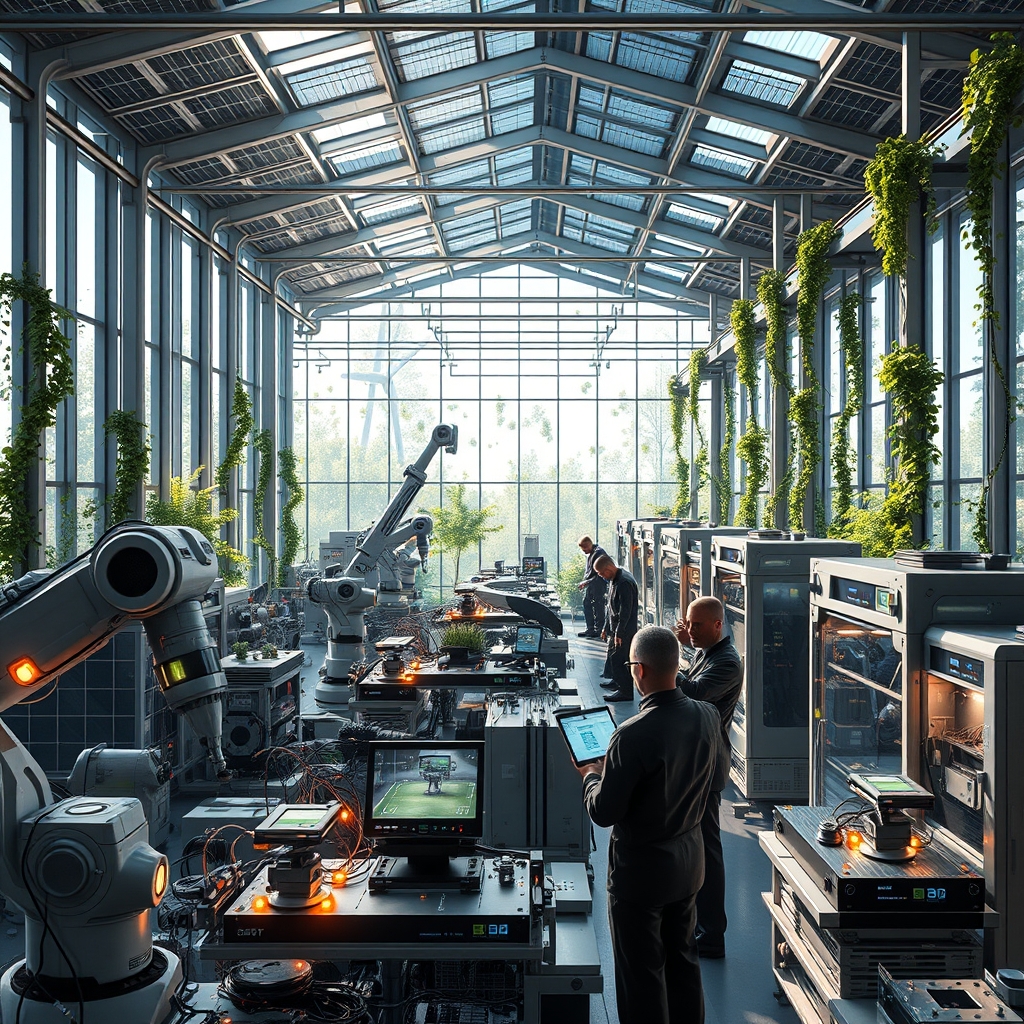
The hum of machinery in a modern tech manufacturing plant is no longer just a symphony of production—it’s the sound of a revolution. Behind the gleaming surfaces of smartphones, laptops, and wearables lies an intricate dance of materials, energy, and innovation, all moving in harmony toward a single, transformative goal: sustainability. The tech industry, long criticized for its environmental footprint, is undergoing a quiet but profound metamorphosis, where waste is not an afterthought but the very foundation of progress. At the heart of this shift is a philosophy that challenges the linear take-make-waste model, replacing it with something far more elegant: closed loop manufacturing.
The Circular Mindset: Beyond Recycling
Closed loop manufacturing is not merely about recycling—it’s about reimagining the entire lifecycle of a product. Traditional recycling often degrades materials, reducing their quality and limiting their future applications. In contrast, closed loop systems prioritize the preservation of material integrity, ensuring that components can be endlessly repurposed without loss of value. This approach demands a fundamental rethinking of design, where products are conceived not just for their initial use but for their second, third, and even tenth lives.
Take, for example, the concept of modular design. By creating products with interchangeable, upgradeable parts, manufacturers can extend their lifespan while reducing e-waste. A smartphone with a replaceable battery, a laptop with swappable RAM, or a wearable with detachable sensors—these are not just conveniences but strategic choices that align with the principles of circularity. When a device reaches the end of its useful life, its components can be harvested, refurbished, and reintegrated into new products, closing the loop and minimizing waste.
The Role of Ethical Material Sourcing
But circularity begins long before a product is assembled. It starts with the materials themselves—where they come from, how they’re extracted, and the ethical implications of their sourcing. The tech industry has long relied on conflict minerals like cobalt, tantalum, and gold, often tied to human rights abuses and environmental degradation. Today, however, a growing number of companies are turning to ethical material sourcing, prioritizing suppliers that adhere to fair labor practices, environmental regulations, and transparency in their supply chains.
Innovations in bio-based tech materials are also gaining traction. From bioplastics derived from algae to mycelium-based packaging, these alternatives offer a way to reduce reliance on fossil fuels and toxic chemicals. Some companies are even exploring the use of recycled ocean plastics in their products, turning a global environmental crisis into a resource. By integrating these materials into their workflows, manufacturers are not just reducing their carbon footprint—they’re redefining what it means to build responsibly.
Energy as the Invisible Thread
No discussion of sustainable tech manufacturing would be complete without addressing energy—the invisible thread that weaves through every stage of production. Traditional manufacturing is energy-intensive, relying heavily on fossil fuels to power factories, transport materials, and assemble products. But the rise of renewable energy integration is changing the game. Solar panels on factory roofs, wind turbines powering data centers, and geothermal energy heating production facilities are no longer novelties but necessities in the quest for sustainability.
Beyond sourcing clean energy, manufacturers are also optimizing their energy use through energy-optimized fabrication. Smart sensors, AI-driven analytics, and real-time monitoring systems allow factories to identify inefficiencies, reduce waste, and lower their energy consumption. Some companies are even adopting low-carbon tech prototyping, using digital twins and virtual simulations to test designs before physical production begins. This not only saves energy but also reduces material waste, as flawed prototypes no longer end up in landfills.
Waste Reduction: The Art of Doing More with Less
Waste reduction is not just about recycling—it’s about rethinking how we produce. Minimalist tech design is one approach, where products are stripped down to their essential components, eliminating unnecessary materials and reducing complexity. This philosophy extends beyond aesthetics; it’s about creating devices that are easier to repair, upgrade, and eventually disassemble for recycling.
Another strategy is resource-efficient production, where manufacturers optimize every step of the process to minimize waste. This might involve using additive manufacturing (3D printing) to create components with precise material usage, or adopting just-in-time production to reduce excess inventory. Some companies are even turning to waste-to-energy systems, where manufacturing byproducts are converted into usable energy, further closing the loop.
The Human Element: Conscious Innovation Workflows
Sustainability is not just a technical challenge—it’s a cultural one. Conscious innovation workflows are reshaping how teams approach product development, embedding sustainability into every decision. This might mean cross-functional teams that include environmental scientists, ethicists, and supply chain experts working alongside engineers and designers. It could involve life cycle assessments (LCAs) that evaluate a product’s environmental impact from cradle to grave, ensuring that every stage of production is scrutinized for sustainability.
Transparency is also key. Companies that embrace transparent green supply chains are not only holding themselves accountable but also empowering consumers to make informed choices. When a brand shares the carbon footprint of its products, the origins of its materials, and its waste reduction strategies, it builds trust and sets a new standard for the industry.
The future of sustainable tech manufacturing is not a distant dream—it’s unfolding before our eyes. Every recycled component, every kilowatt-hour of renewable energy, and every ethical sourcing decision is a step toward a world where technology and nature coexist in harmony. The alchemy of waste is not about turning lead into gold but about transforming what was once discarded into something valuable, proving that sustainability is not a constraint but an opportunity—one that invites us to reimagine what’s possible when innovation and responsibility walk hand in hand. The machines may hum, the factories may glow, but the true magic lies in the quiet determination to build a future where nothing is wasted, and everything has purpose.