The Solar-Bio Nexus: How Synthetic Biology and Photovoltaics Are Crafting the Next Era of Self-Sustaining Energy Ecosystems

The Solar-Bio Nexus: A New Era of Energy
In the quest for sustainable energy solutions, the convergence of synthetic biology and photovoltaics is emerging as a groundbreaking frontier. This innovative fusion, often referred to as the Solar-Bio Nexus, promises to revolutionize the way we harness and store energy, paving the way for self-sustaining ecosystems that are both efficient and eco-friendly.
Synthetic Biology: The Engine of Innovation
Synthetic biology, a field that combines biology and engineering, is at the heart of this revolution. By redesigning biological systems, scientists are creating organisms that can perform specific functions, such as producing biofuels or enhancing the efficiency of solar panels. These bioengineered organisms are not only more sustainable but also more adaptable to changing environmental conditions.
Photovoltaics: The Power of the Sun
Photovoltaics, the technology that converts sunlight into electricity, is another key player in this nexus. Traditional solar panels have made significant strides in efficiency, but the integration of synthetic biology takes this a step further. By incorporating bioengineered materials into solar panels, researchers are developing systems that can self-repair, self-clean, and even self-optimize under varying light conditions.
The Synergy of Solar and Bio
One of the most exciting aspects of the Solar-Bio Nexus is the synergy between these two technologies. For instance, bioengineered enzymes can be used to enhance the efficiency of solar panels by improving their ability to capture and convert sunlight. These enzymes can also be used to create biofuels that store solar energy in a more stable and transportable form.
Applications and Impact
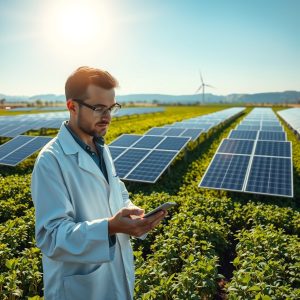
The applications of the Solar-Bio Nexus are vast and varied. In agriculture, bioengineered crops can be designed to produce biofuels while also providing food, creating a dual-use system that maximizes land efficiency. In urban environments, solar panels integrated with bioengineered materials can be used to create green roofs and walls that not only generate electricity but also improve air quality and reduce urban heat island effects.
Challenges and Future Directions
While the potential of the Solar-Bio Nexus is immense, there are also challenges to overcome. One of the main hurdles is the scalability of bioengineered systems. Ensuring that these technologies can be produced on a large scale and at a competitive cost is crucial for their widespread adoption. Additionally, regulatory frameworks need to be established to govern the use of bioengineered organisms and materials.
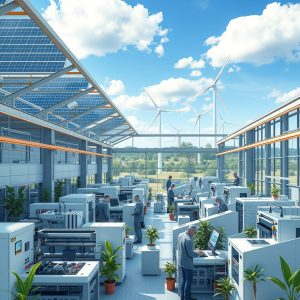
Looking ahead, the future of the Solar-Bio Nexus is bright. As research continues to advance, we can expect to see even more innovative solutions that harness the power of the sun and the potential of synthetic biology. This convergence has the potential to create a new era of self-sustaining energy ecosystems that are not only efficient but also environmentally friendly.