The Future of Electronics: A Deep Dive into Sustainable Tech Manufacturing
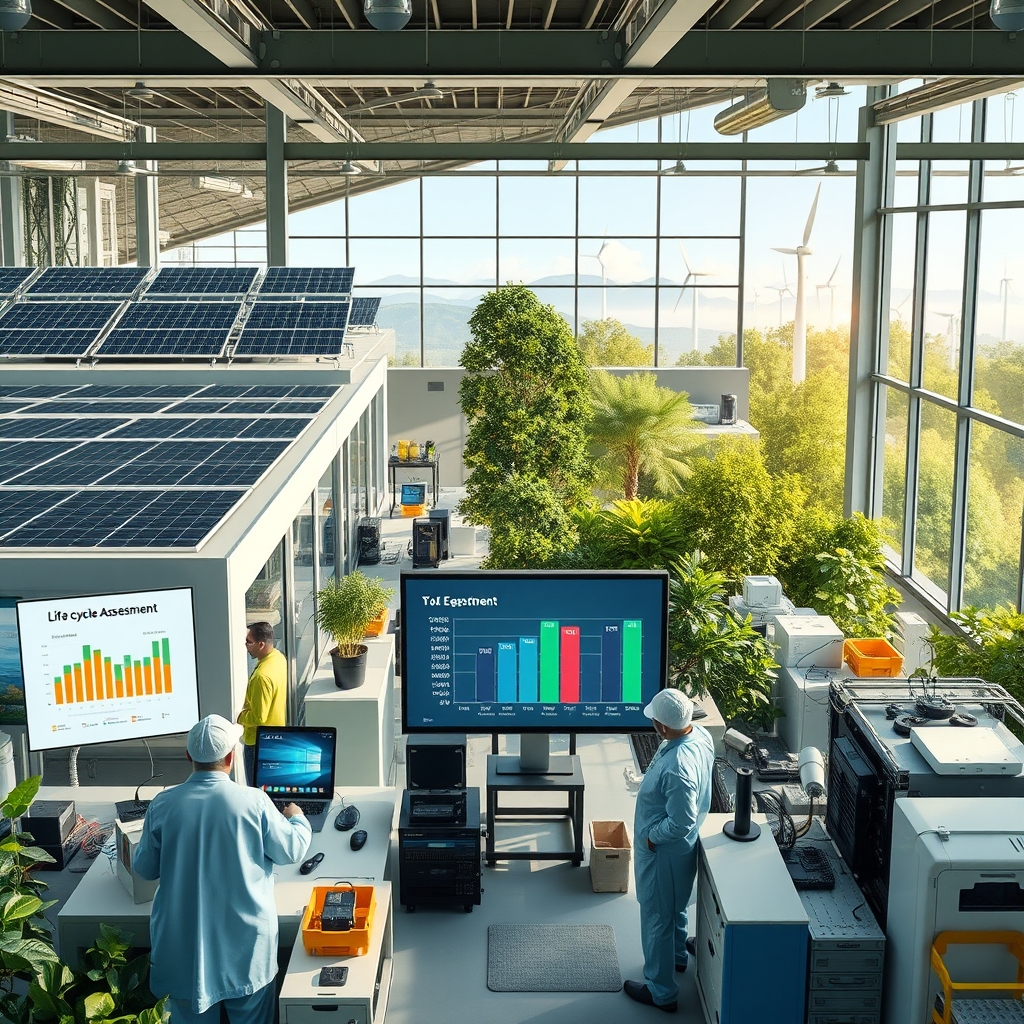
In the rapidly evolving landscape of technology, the concept of sustainability has emerged as a critical factor in the manufacturing of electronics. As the world grapples with the consequences of climate change, the tech industry is increasingly turning its attention to sustainable practices, from the sourcing of materials to the disposal of products. This shift is not merely a trend but a necessity, driven by both regulatory pressures and consumer demand for eco-friendly products.
Circular Design Processes
One of the cornerstones of sustainable tech manufacturing is the adoption of circular design processes. Unlike traditional linear models, which follow a ‘take, make, waste’ approach, circular design aims to create products that can be reused, repaired, and recycled. This not only reduces waste but also conserves resources, making it a win-win for both the environment and the economy.
Green Electronics Production
Green electronics production involves the use of renewable energy sources and eco-friendly materials. Companies are increasingly investing in solar, wind, and hydroelectric power to reduce their carbon footprint. Additionally, the use of bio-based materials, such as bioplastics and natural fibers, is gaining traction. These materials are not only sustainable but also often biodegradable, further reducing environmental impact.
Ethical Material Sourcing
Ethical material sourcing is another crucial aspect of sustainable tech manufacturing. This involves ensuring that the materials used in production are obtained through fair and transparent practices. It includes avoiding conflict minerals, supporting local communities, and adhering to strict labor standards. Transparency in the supply chain is key, as it allows consumers to make informed decisions about the products they purchase.
Closed Loop Manufacturing
Closed loop manufacturing is a system where products are designed to be disassembled and their components reused or recycled. This approach minimizes waste and maximizes the lifespan of materials. For example, some companies are developing modular phones that allow users to replace individual components rather than discarding the entire device. This not only reduces e-waste but also encourages a more sustainable consumption pattern.
Low Carbon Tech Prototyping
Low carbon tech prototyping focuses on reducing the carbon emissions associated with the development of new technologies. This can be achieved through the use of energy-efficient equipment, renewable energy sources, and sustainable materials. By integrating these practices into the prototyping phase, companies can significantly reduce their environmental impact before a product even reaches the market.
Eco-Conscious Engineering
Eco-conscious engineering involves designing products with sustainability in mind from the outset. This includes considerations such as energy efficiency, material selection, and end-of-life disposal. For instance, engineers are developing products that consume less energy during operation and are easier to recycle or repurpose at the end of their useful life. This holistic approach ensures that sustainability is not an afterthought but a core principle of the design process.
Waste Reduction Strategies
Waste reduction strategies are essential for minimizing the environmental impact of tech manufacturing. This can involve anything from reducing packaging waste to implementing recycling programs. Companies are also exploring innovative ways to repurpose electronic waste, such as turning old circuit boards into new products. By focusing on waste reduction, the tech industry can significantly decrease its contribution to landfills and pollution.
Life Cycle Assessment
Life cycle assessment (LCA) is a tool used to evaluate the environmental impact of a product throughout its entire life cycle, from raw material extraction to disposal. This comprehensive analysis helps companies identify areas where they can reduce their environmental footprint. For example, an LCA might reveal that a particular component has a high carbon footprint, prompting the company to seek a more sustainable alternative.
Transparent Green Supply
Transparent green supply involves ensuring that every step of the supply chain is sustainable and ethical. This includes not only the sourcing of materials but also the manufacturing processes and the transportation of goods. Companies are increasingly adopting blockchain technology to track the provenance of their materials, ensuring that they are sourced responsibly. This transparency builds trust with consumers and stakeholders, who are increasingly concerned about the environmental and social impact of their purchases.
Sustainable Component Innovation
Sustainable component innovation focuses on developing new materials and technologies that are more environmentally friendly. This can involve anything from creating biodegradable plastics to developing more efficient solar panels. By investing in research and development, companies can stay ahead of the curve and meet the growing demand for sustainable products.
Resource Efficient Production
Resource efficient production aims to minimize the use of natural resources in the manufacturing process. This can be achieved through the use of recycled materials, energy-efficient equipment, and optimized production processes. By reducing resource consumption, companies can lower their environmental impact and operating costs, making sustainability a financially viable option.
Bio-Based Tech Materials
Bio-based tech materials are derived from renewable biological resources, such as plants and algae. These materials are not only sustainable but also often biodegradable, making them an attractive alternative to traditional plastics and metals. For example, some companies are developing bioplastics that can be used in the production of electronic devices, reducing the reliance on fossil fuels.
Climate Positive Manufacturing
Climate positive manufacturing goes beyond simply reducing carbon emissions; it aims to create a net positive impact on the environment. This can involve anything from planting trees to offset carbon emissions to investing in renewable energy projects. By adopting a climate positive approach, companies can not only reduce their environmental impact but also contribute to the fight against climate change.
Energy Optimized Fabrication
Energy optimized fabrication focuses on reducing the energy consumption associated with the manufacturing process. This can be achieved through the use of energy-efficient equipment, renewable energy sources, and optimized production processes. By minimizing energy use, companies can lower their carbon footprint and operating costs, making sustainability a financially viable option.
Minimalist Tech Design
Minimalist tech design aims to create products that are simple, functional, and sustainable. This involves reducing the number of components, using eco-friendly materials, and designing products that are easy to repair and recycle. By adopting a minimalist approach, companies can create products that are not only more sustainable but also more appealing to consumers.
Recyclable Product Architecture
Recyclable product architecture involves designing products that can be easily disassembled and recycled. This can involve anything from using standard components to designing products with modularity in mind. By making products easier to recycle, companies can reduce e-waste and conserve resources, making sustainability a core principle of their design process.
Conscious Innovation Workflows
Conscious innovation workflows involve integrating sustainability into every step of the innovation process. This includes considerations such as material selection, energy efficiency, and end-of-life disposal. By adopting a conscious approach to innovation, companies can create products that are not only more sustainable but also more competitive in the market.
As the tech industry continues to evolve, the importance of sustainable manufacturing practices cannot be overstated. From circular design processes to climate positive manufacturing, companies are increasingly adopting strategies that prioritize the environment. By embracing these practices, the tech industry can not only reduce its environmental impact but also create a more sustainable future for all. The journey towards sustainability is a collective effort, requiring collaboration, innovation, and a commitment to ethical practices. As consumers become more aware of the environmental impact of their purchases, the demand for sustainable products will only continue to grow. It is up to the tech industry to rise to the challenge and lead the way towards a greener, more sustainable future.