The Green Symphony: Harmonizing Sustainable Tech Manufacturing
In the heart of the 21st century, a new melody is being composed—the Green Symphony. This harmonious blend of innovation and sustainability is reshaping the landscape of tech manufacturing, creating a future where progress and environmental responsibility coexist. The Green Symphony is not just a concept; it is a movement, a commitment to crafting tomorrow’s electronics through sustainable practices.
Circular Design Processes: The Foundation of Sustainability
At the core of the Green Symphony lies the principle of circular design. This approach ensures that every component of a product is designed with its end-of-life in mind. By embracing circular design, manufacturers can minimize waste and maximize the lifespan of their products. This process involves creating products that are easy to disassemble, repair, and recycle, thereby reducing the environmental impact of tech manufacturing.
Green Electronics Production: A New Standard
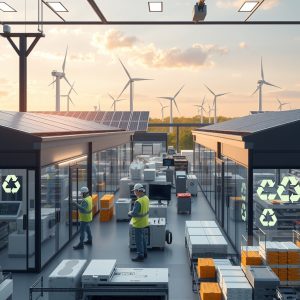
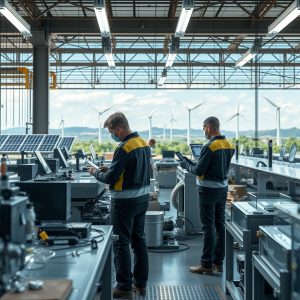
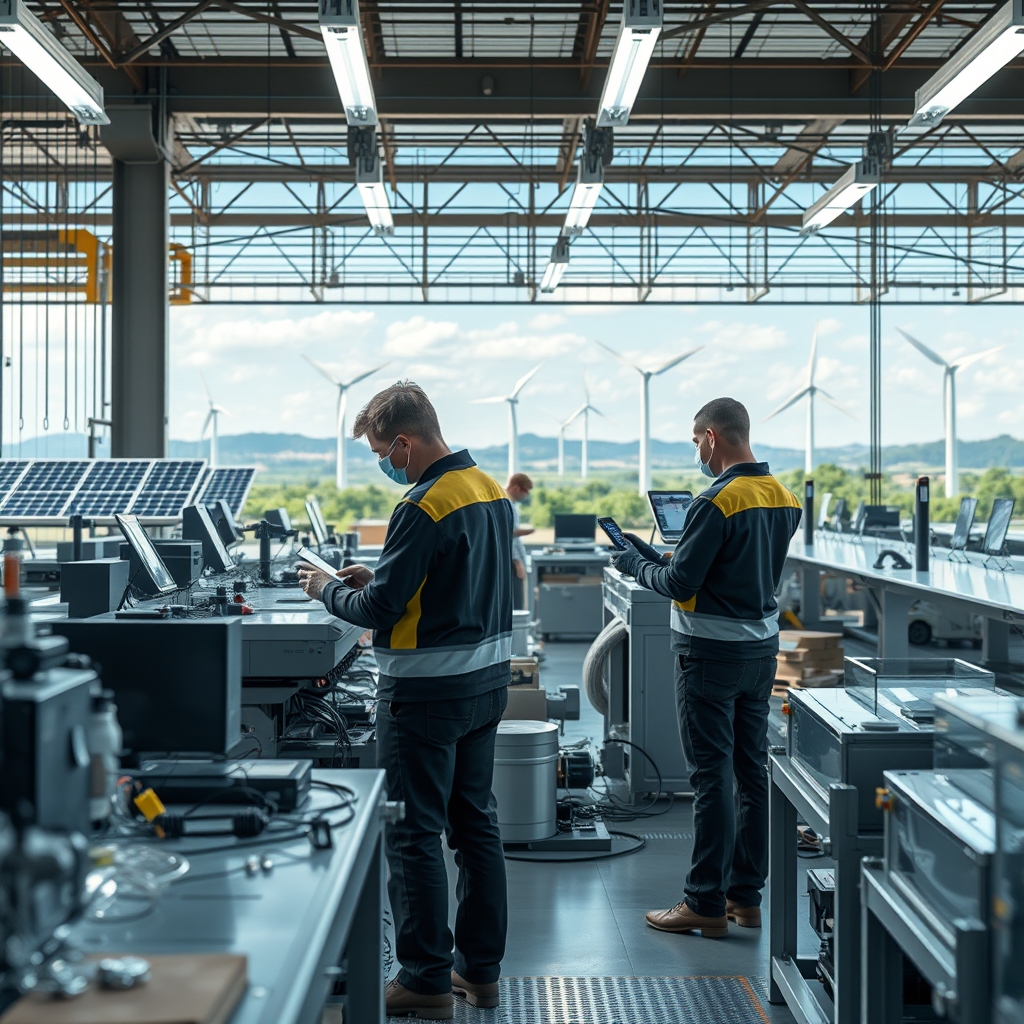
Green electronics production is not just about reducing waste; it is about redefining the entire manufacturing process. This involves using renewable energy sources, such as solar and wind power, to drive production. By integrating renewable energy, manufacturers can significantly lower their carbon footprint and contribute to a more sustainable future. Additionally, green electronics production emphasizes the use of eco-friendly materials and processes, ensuring that every step of the manufacturing journey is aligned with environmental goals.
Ethical Material Sourcing: The Ethical Imperative
Ethical material sourcing is another critical component of the Green Symphony. This involves ensuring that all materials used in tech manufacturing are sourced responsibly. It means supporting suppliers who adhere to fair labor practices, environmental standards, and sustainable harvesting methods. By prioritizing ethical material sourcing, manufacturers can create a supply chain that is not only efficient but also socially and environmentally responsible.
Closed Loop Manufacturing: The Circular Economy in Action
Closed loop manufacturing is the practical application of circular design. This process involves creating a system where products are designed to be recycled or repurposed at the end of their useful life. By implementing closed loop manufacturing, manufacturers can reduce waste, conserve resources, and create a more sustainable production cycle. This approach ensures that materials are kept in use for as long as possible, minimizing the need for new raw materials and reducing the environmental impact of manufacturing.
Low Carbon Tech Prototyping: Innovating with a Green Touch
Low carbon tech prototyping is the future of innovation. This involves developing new technologies and products with a focus on minimizing carbon emissions. By using low carbon materials and processes, manufacturers can create prototypes that are not only innovative but also environmentally friendly. This approach ensures that the development of new technologies is aligned with sustainability goals, creating a future where innovation and environmental responsibility go hand in hand.
Eco Conscious Engineering: The Art of Sustainable Design
Eco conscious engineering is the art of designing products with the environment in mind. This involves using sustainable materials, optimizing energy efficiency, and minimizing waste throughout the product lifecycle. By embracing eco conscious engineering, manufacturers can create products that are not only functional but also environmentally friendly. This approach ensures that every aspect of the product, from design to disposal, is aligned with sustainability goals.
Waste Reduction Strategies: Minimizing Environmental Impact
Waste reduction strategies are essential for minimizing the environmental impact of tech manufacturing. This involves implementing processes that reduce waste at every stage of production, from raw material extraction to product disposal. By prioritizing waste reduction, manufacturers can create a more sustainable production cycle, ensuring that resources are used efficiently and waste is minimized.
Life Cycle Assessment: The Holistic Approach
Life cycle assessment is a holistic approach to evaluating the environmental impact of a product. This involves analyzing every stage of the product lifecycle, from raw material extraction to disposal, to identify areas where improvements can be made. By conducting life cycle assessments, manufacturers can gain a comprehensive understanding of their environmental impact and make informed decisions to reduce it.
Transparent Green Supply: Building Trust and Sustainability
Transparent green supply is about building trust and sustainability in the supply chain. This involves ensuring that all suppliers adhere to environmental and social standards, and that their practices are transparent and accountable. By prioritizing transparent green supply, manufacturers can create a supply chain that is not only efficient but also socially and environmentally responsible.
Sustainable Component Innovation: The Future of Tech
Sustainable component innovation is the future of tech. This involves developing new components that are not only functional but also environmentally friendly. By embracing sustainable component innovation, manufacturers can create products that are aligned with sustainability goals, ensuring that the future of tech is green and sustainable.
Resource Efficient Production: Maximizing Efficiency
Resource efficient production is about maximizing efficiency and minimizing waste. This involves using resources in the most efficient way possible, ensuring that every aspect of the production process is optimized for sustainability. By prioritizing resource efficient production, manufacturers can create a more sustainable production cycle, ensuring that resources are used efficiently and waste is minimized.
Bio Based Tech Materials: The Natural Solution
Bio based tech materials are the natural solution to sustainable manufacturing. This involves using materials derived from renewable sources, such as plants and algae, to create products that are not only functional but also environmentally friendly. By embracing bio based tech materials, manufacturers can create a more sustainable production cycle, ensuring that resources are used efficiently and waste is minimized.
Climate Positive Manufacturing: The Ultimate Goal
Climate positive manufacturing is the ultimate goal of sustainable tech manufacturing. This involves creating a production process that not only minimizes environmental impact but also actively contributes to a more sustainable future. By embracing climate positive manufacturing, manufacturers can create a more sustainable production cycle, ensuring that resources are used efficiently and waste is minimized.
As we look to the future, the Green Symphony continues to gain momentum. The harmonious blend of innovation and sustainability is not just a trend; it is a necessity. By embracing circular design, green electronics production, ethical material sourcing, closed loop manufacturing, low carbon tech prototyping, eco conscious engineering, waste reduction strategies, life cycle assessment, transparent green supply, sustainable component innovation, resource efficient production, bio based tech materials, and climate positive manufacturing, we can create a future where progress and environmental responsibility coexist. The Green Symphony is more than just a concept; it is a commitment to crafting tomorrow’s electronics through sustainable practices, ensuring that the future of tech is green and sustainable.