A year in, New England heat pump program is thriving
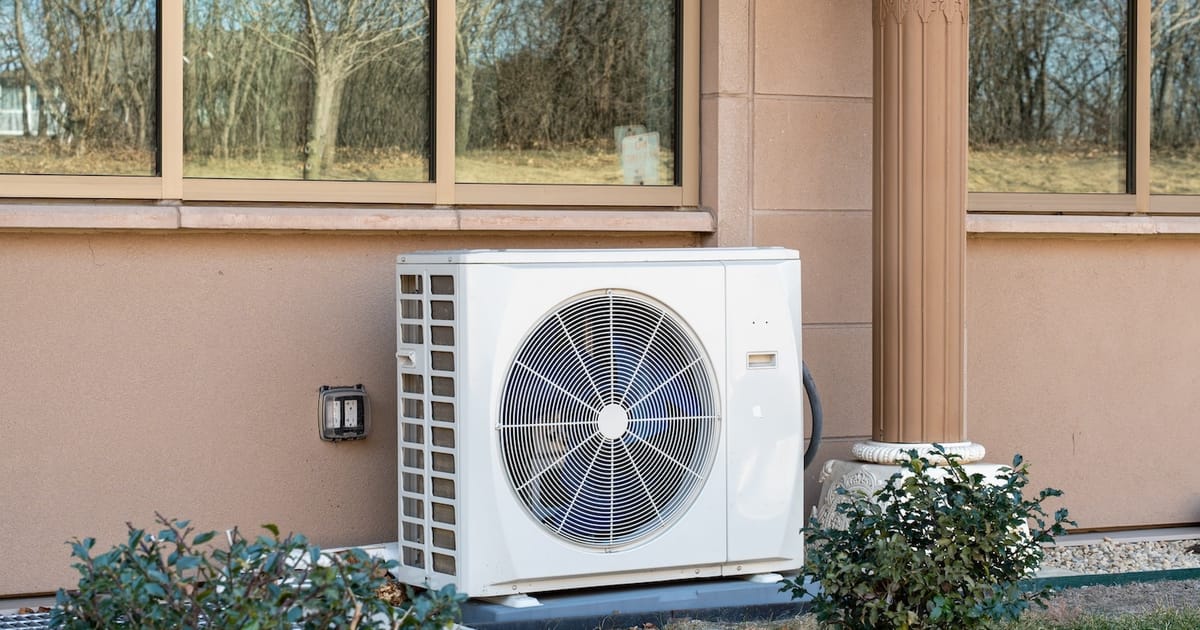
More than 25,000 homes across New England will be keeping warm this winter with new energy-efficient, low-emission systems paid for, in part, by federal funds. The households are participants in a five-state effort to boost cold-climate heat pump adoption that launched one year ago this month.
While that is well short of the ultimate goal of nearly 580,000 heat pumps installed in four years, the growth of the program — the New England Heat Pump Accelerator — in its first months has supporters feeling confident about its chances for success.
“We’re very, very optimistic about this goal,” said Ellen Pfeiffer, a fellow with Energy Solutions, a clean energy consultancy that is helping implement the programming, during a webinar last week reviewing the program’s first year. “We see vastly more participation just with these added incentives.”
The accelerator — a joint endeavor between Connecticut, Maine, Massachusetts, New Hampshire, and Rhode Island — is backed by $450 million from the federal Climate Pollution Reduction Grants program, which was created by the 2022 Inflation Reduction Act. It was, and remains, a rare example of a major Biden-era initiative making headway despite the Trump administration’s relentless efforts to eliminate federal clean energy and environmental funding.
New England is particularly well poised to take advantage of heat pumps because of its current reliance on fossil fuels. More than half the single-family homes in Connecticut, Maine, and New Hampshire use heating oil, as do large portions of those in Massachusetts and Rhode Island. Propane and natural gas are also in wide use.
Switching to a heat pump yields substantial monthly bill savings for most oil customers and a significant portion of propane and natural gas users. It also cuts climate-warming pollution: The only emissions associated with heat pumps are those produced by generating the electricity needed to operate the systems.
“It’s the closest thing we have to a magic trick in the energy industry,” said Andy Frank, deputy commissioner of energy and technology policy at the Connecticut Department of Energy and Environmental Protection.
The accelerator program is slated to last four years, but it aims to leave behind a permanently transformed market in which accessible prices, readily available equipment, and a well-trained workforce make heat pumps the default choice for home heating well into the future. The long-term goal is for heat pumps to make up 90% of heating system sales in the region by 2040.
“We are shifting what is bought and sold in the market,” said Dylan Voorhees, managing consultant at nonprofit clean energy advisory VEIC, an implementation partner.