Forging the Future: A Symphony of Advanced Technologies Powering Our Sustainable Tomorrow
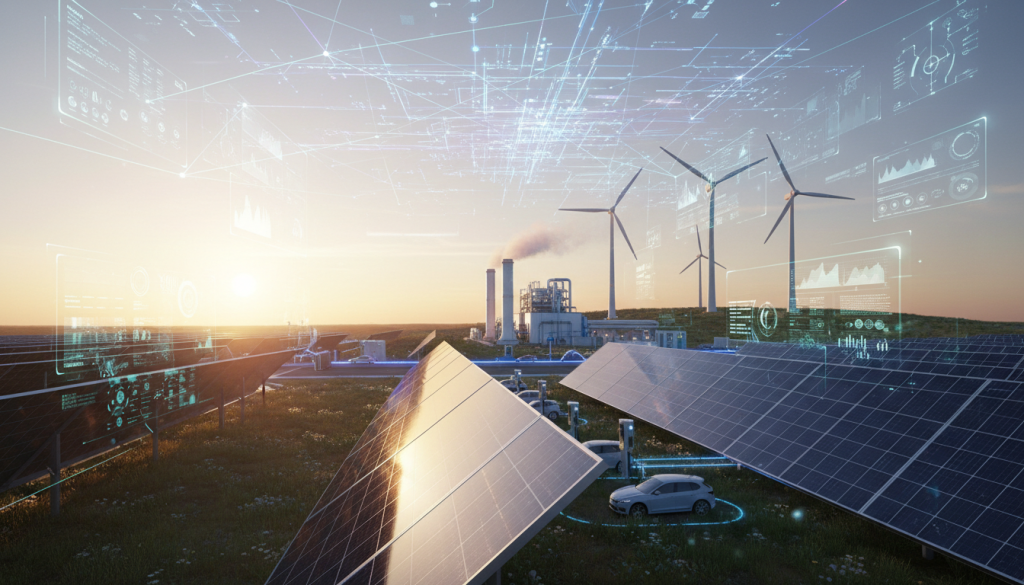
The urgent whisper of our planet for a sustainable future has crescendoed into a compelling call for innovation, propelling humanity into an exhilarating era of energy transformation. We stand at the precipice of a profound shift, moving beyond the fossil fuel dependence that has long defined our civilization, towards a vibrant mosaic of advanced technologies. This isn’t merely an upgrade; it’s a complete reimagining of how we generate, store, distribute, and consume energy, orchestrated by intelligent systems and groundbreaking materials.
The Sun’s Embrace: High-Efficiency Photovoltaics and Hybrid Systems
At the heart of this revolution lies the sun, harnessed with unprecedented efficiency. The evolution of solar technology, particularly through High Efficiency Photovoltaics like advanced N Type Solar Cells and ingenious Bifacial Solar Modules, is reshaping landscapes and cityscapes alike. These cutting-edge panels capture sunlight not just from above but also from reflected light below, dramatically increasing energy yield from a smaller footprint. Imagine vast solar farms shimmering under the sun, their output optimized by every ray, or urban rooftops silently powering homes and businesses with their dual-sided efficiency.
Yet, relying solely on one renewable source can present challenges. This is where Renewable Energy Hybridization steps in, creating robust and reliable power ecosystems. By seamlessly integrating solar with other renewable giants like wind turbines, geothermal plants, or even small-scale hydro, we mitigate the intermittency inherent in individual sources. This synergy ensures a more consistent and dependable power supply, acting as a dynamic shield against fluctuations and bringing us closer to a truly self-sufficient energy grid.
Unlocking Green Hydrogen: A Versatile Energy Carrier
Beyond direct electricity, the quest for sustainability demands solutions for sectors traditionally hard to decarbonize. Enter Green Hydrogen Expansion, a pivotal development poised to redefine industrial processes and heavy transport. Produced through Green Hydrogen Electrolysis, powered exclusively by renewable electricity, this clean-burning fuel offers a potent pathway for Decarbonized Industrial Heat in steel, cement, and chemical production, where electrification alone is insufficient. Its versatility extends to long-haul shipping and aviation, offering a clean alternative to conventional fuels and serving as a crucial vector for long-term Sustainable Energy Storage, converting surplus renewable electricity into a storable, transportable energy form.
The Intelligent Grid: AI, Edge Computing, and Autonomous Distribution
The burgeoning complexity of these distributed energy sources necessitates a grid of unparalleled intelligence. Smart Grid Modernization is transforming our electrical networks from centralized, one-way systems into dynamic, bidirectional ecosystems. This transformation is profoundly enhanced by Artificial Intelligence Integration and robust Edge Computing Infrastructure. AI algorithms, operating at the very edge of the network, analyze real-time data from millions of sensors, predicting demand fluctuations, identifying potential faults, and optimizing energy flow with incredible precision. This enables sophisticated Predictive Maintenance Algorithms, preventing outages before they occur, and facilitating truly Autonomous Power Distribution, where the grid can self-heal and reroute power in response to disruptions, ensuring unwavering reliability across vast Distributed Energy Systems.
Power on Wheels: Advanced Batteries and Vehicle-to-Grid
The ability to store energy efficiently is paramount. While traditional lithium-ion batteries have played a crucial role, the advent of Solid State Batteries promises a leap forward. With higher energy density, faster charging capabilities, and enhanced safety, these next-generation batteries are set to revolutionize everything from consumer electronics to electric vehicles. And it’s these electric vehicles (EVs) that are poised to become more than just transportation; through Vehicle To Grid Technology (V2G), they transform into mobile energy storage units, feeding surplus power back into the grid during peak demand or acting as crucial components in dynamic Virtual Power Plants. Imagine thousands of parked EVs collectively stabilizing the grid, earning their owners revenue while contributing to energy security.
Architects of the Future: Digital Twins and Optimized Operations
Managing this intricate web of interconnected technologies demands foresight and precision. This is where Digital Twin Engineering emerges as an indispensable tool. By creating virtual replicas of entire energy systems—from individual solar farms and battery storage units to entire city grids—engineers can simulate, test, and optimize performance in a risk-free environment. These digital twins allow for continuous monitoring, predictive analysis, and proactive adjustments, ensuring maximum efficiency, reliability, and resilience across the entire energy infrastructure. They are the silent architects, constantly refining the blueprint of our energy future.
The convergence of these groundbreaking advancements paints a vivid picture of an energy landscape that is not only sustainable but also incredibly resilient, intelligent, and interconnected. From the sun’s captured light and the clean power of hydrogen to the self-healing intelligence of modern grids and the dynamic storage capabilities of advanced batteries, each technology plays a vital role in an integrated ecosystem. This holistic approach promises to deliver abundant, clean energy, fostering a world where our thirst for power no longer compromises the health of our planet, but rather elevates our collective well-being and ensures a thriving legacy for generations to come.