Europe turns negative electricity prices into a flexibility signal
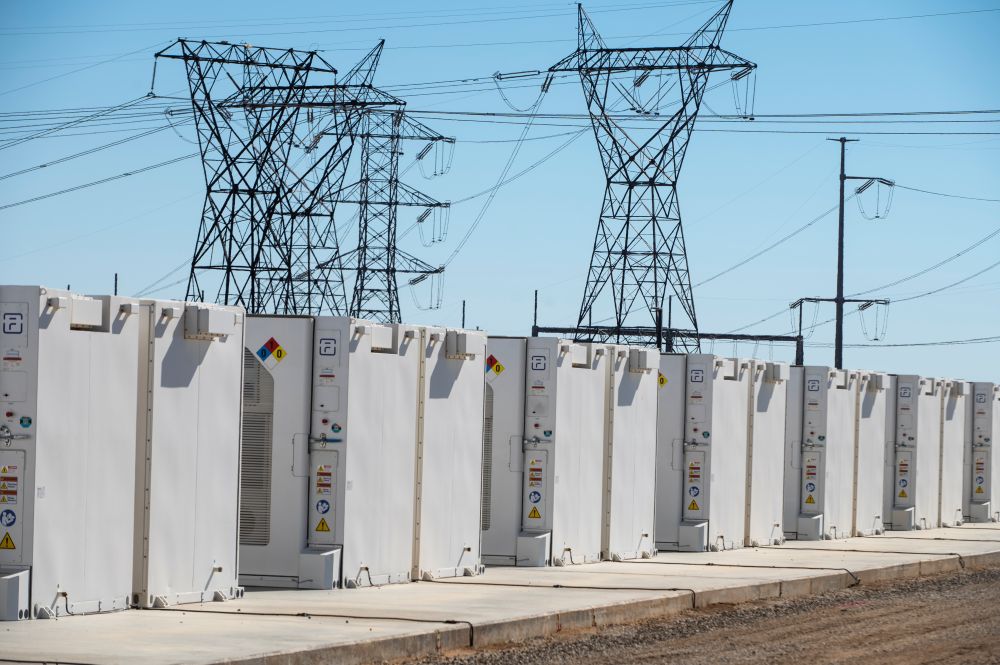
Negative electricity prices do not necessarily indicate a failure of European power markets. They can direct investment toward energy storage, demand-side flexibility, and electrification when they reflect actual supply and demand conditions rather than regulatory distortions or structural barriers.
This is one of the main conclusions of “Negative prices in EU power markets,” a new report prepared by economic consultancy Compass Lexecon for European power industry association Eurelectric.
The analysis examines negative prices across European wholesale electricity markets and distinguishes between episodes that provide economic signals for adapting the power system and those associated with contractual incentives that influence generation bids.
When negative prices reflect genuine economic conditions, they can support flexible resources. When they persist because of infrastructure constraints or poorly designed support mechanisms, they can create inefficiencies and additional costs.
Negative prices
The report identifies significant differences in the frequency and duration of negative prices across European electricity markets, reflecting variations in renewable penetration, storage deployment, and the technical and regulatory characteristics of each system.
Spain and the Netherlands recorded negative electricity prices during approximately 7% of the hours in 2025. Following a widespread increase between 2015 and 2024, some countries subsequently experienced stabilization or a decline, while others maintained an upward trend.
Renewable generation growth alone does not explain these differences. Demand-side flexibility, grid constraints, battery availability, and generation-related incentives also influence the frequency and severity of negative prices.
The report highlights Finland as an example of how electricity systems can adapt to economic signals. Negative prices occurred during 8.3% of the hours in 2024, falling to 5.3% in 2025. During the first half of 2026, their frequency stood at approximately 1%.
Eurelectric links this development to progress in electrification and battery energy storage, which have increased the system’s ability to absorb electricity during periods of high availability.
However, the study warns that price signals alone may not stimulate investment when regulatory barriers or infrastructure limitations remain.
Some generation support contracts, particularly earlier schemes, can encourage facilities to continue producing during negative-price periods to avoid losing support payments.
These incentives can lead generators to submit bids below their actual variable costs, deepening negative prices and distorting signals for other market participants. Poorly designed mechanisms can also result in inefficient dispatch and additional costs for consumers.
The analysis examines different contract for difference (CfD) configurations, including arrangements that suspend support payments during certain negative-price periods and mechanisms that decouple support from actual electricity output. Hybrid designs are also considered.
These alternatives differ in investment risk allocation, dispatch efficiency, and implementation complexity. Existing contracts present an additional challenge because their duration can prolong incentives contributing to structurally negative prices. Options include adapting certain agreements where appropriate and subject to corresponding compensation arrangements.
Storage investment
Negative prices can strengthen the economic opportunities available to battery storage and demand response, supporting investment in resources capable of adapting electricity markets to higher renewable penetration.
However, grid access barriers, infrastructure limitations, and revenue uncertainty can prevent price signals from translating into additional flexible capacity.
The report assesses long-term flexibility procurement mechanisms as one option to improve revenue predictability and direct investment toward specific system needs. These mechanisms must be designed carefully to avoid distorting competition with assets operating without contractual support in balancing and ancillary services markets.
The study also identifies greater participation by industrial and commercial consumers, aggregation of distributed resources, and electricity contracts combining price stability with incentives to adjust consumption as potential sources of flexibility.
The report’s findings come as EU member states work on national flexibility needs assessments (FNAs).
According to estimates from the European Network of Transmission System Operators for Electricity (Entso-E) cited by Compass Lexecon, European electricity system flexibility needs could double by 2033, driven by renewable generation growth, electrification, and changing consumption patterns.
The study argues that these assessments should identify which flexibility needs can be met through market-driven investment and which might require additional procurement mechanisms. They should also distinguish structural limitations from temporary imbalances to avoid public measures compensating for distortions elsewhere in the regulatory framework.
Compass Lexecon identifies three areas for action: limiting distortive incentives in support mechanisms, removing barriers to flexible resource participation, and using additional procurement instruments where market-driven investment is insufficient.