The Alchemy of Innovation: How Circular Design Processes Are Forging the Future of Sustainable Tech Manufacturing
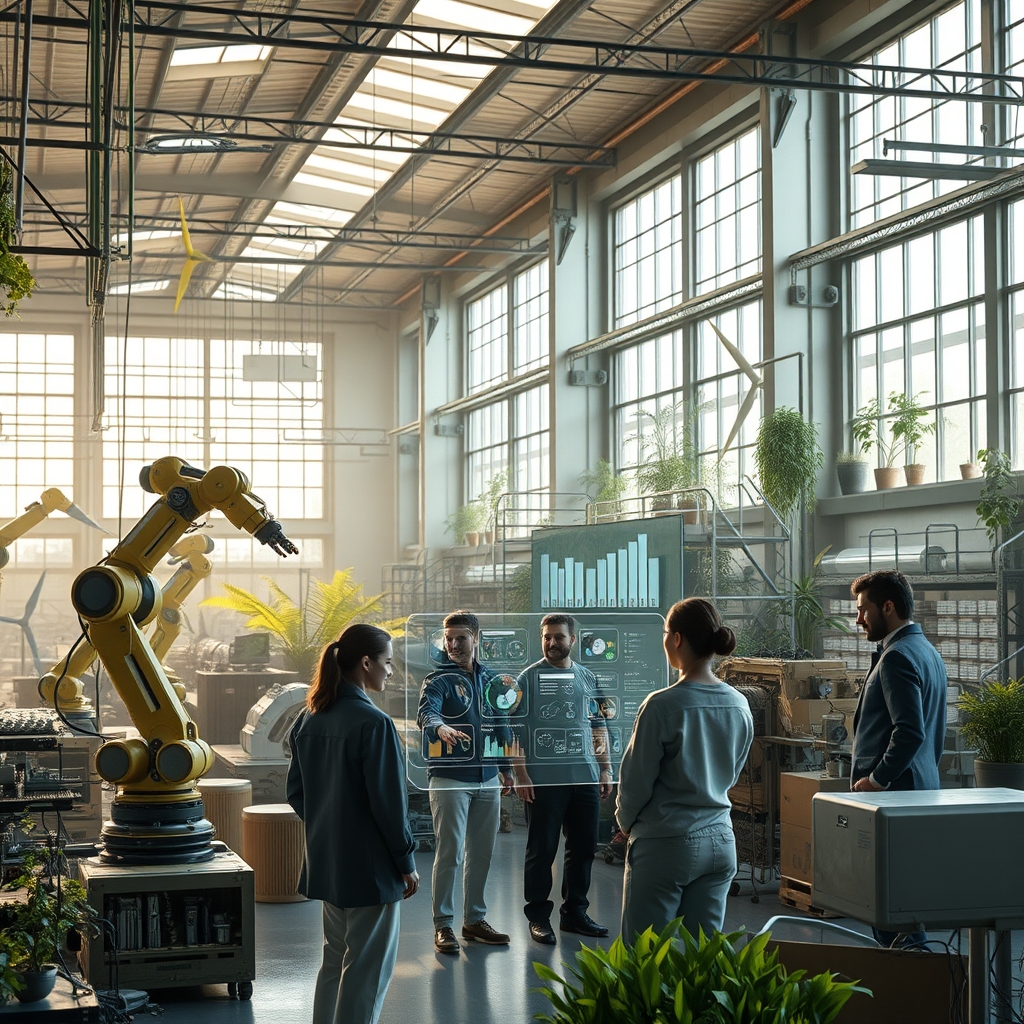
The hum of machinery in a modern tech manufacturing plant is no longer synonymous with the clatter of waste and the acrid tang of pollutants. Instead, a quieter, more deliberate rhythm has taken hold—one that pulses with the heartbeat of sustainability. At the core of this transformation lies the philosophy of circular design processes, a revolutionary approach that is redefining the very essence of how technology is conceived, created, and consumed. This is not merely a shift in production methods; it is a fundamental reimagining of the relationship between innovation and the planet.
The Birth of a New Paradigm
For decades, the tech industry operated under a linear model: extract, produce, consume, discard. This approach, while profitable, has left an indelible mark on the environment, from mountains of e-waste to the depletion of finite resources. The circular design process, however, flips this script. It is a closed-loop system where every stage of a product’s life cycle—from material sourcing to end-of-life disposal—is designed with regeneration in mind. The goal is simple yet profound: to create technology that not only serves human needs but also nurtures the ecosystems that sustain us.
This paradigm shift is not happening in isolation. It is being driven by a confluence of factors: consumer demand for ethical and sustainable products, regulatory pressures to reduce carbon footprints, and the sheer economic logic of resource efficiency. Companies that once viewed sustainability as a cost are now recognizing it as a competitive advantage. The circular economy is not just good for the planet; it is good for business.
The Pillars of Circular Design
Ethical Material Sourcing: The Foundation of Sustainability
The journey toward circularity begins with the materials themselves. Ethical material sourcing is about more than just avoiding conflict minerals or reducing toxic substances; it is about selecting inputs that are renewable, recyclable, or biodegradable. Innovations in bio-based tech materials are opening new frontiers, from mycelium-based packaging to algae-derived polymers. These materials are not only sustainable but also often lighter, more durable, and more versatile than their traditional counterparts.
Take, for example, the rise of recycled aluminum in tech manufacturing. Aluminum is infinitely recyclable, and using recycled aluminum reduces energy consumption by up to 95% compared to virgin material. Companies like Apple have embraced this, with their latest devices featuring enclosures made from 100% recycled aluminum. This is not just a token gesture; it is a testament to the power of rethinking material sourcing as a cornerstone of circular design.
Low-Carbon Prototyping: Designing for the Future
Prototyping is where ideas take physical form, and in the realm of sustainable tech manufacturing, it is a critical stage for embedding eco-conscious principles. Low-carbon prototyping involves using energy-efficient fabrication methods, such as 3D printing with recycled filaments or laser cutting with renewable energy sources. It also means designing products that are modular, repairable, and upgradable, extending their lifespan and reducing the need for frequent replacements.
One striking example is the Fairphone, a smartphone designed with circularity at its core. Its modular design allows users to replace individual components—like the battery or camera—rather than discarding the entire device. This not only reduces e-waste but also empowers consumers to take an active role in the sustainability of their technology. The Fairphone is a beacon of what is possible when low-carbon prototyping meets conscious innovation workflows.
Closed-Loop Manufacturing: The Art of Regeneration
At the heart of circular design processes is the concept of closed-loop manufacturing, where waste is not an endpoint but a beginning. This approach involves designing products that can be easily disassembled, with components that can be reused, refurbished, or recycled. It also means integrating renewable energy into production processes, from solar-powered factories to energy-optimized fabrication lines that minimize waste and maximize efficiency.
Patagonia, the outdoor apparel company, has long been a pioneer in closed-loop manufacturing. Their Worn Wear program encourages customers to return used clothing for repair or recycling, ensuring that materials stay in circulation for as long as possible. While Patagonia operates in the fashion industry, their model is increasingly being adopted by tech manufacturers. Companies like Dell and HP have implemented take-back programs for electronics, where old devices are refurbished or recycled into new products, closing the loop on e-waste.
The Role of Life Cycle Assessment
Circular design processes are not just about intuition or good intentions; they are grounded in data and rigorous analysis. Life cycle assessment (LCA) is a tool that evaluates the environmental impact of a product from cradle to grave—or, in the case of circular design, from cradle to cradle. LCA examines everything from the energy used in production to the emissions generated during transportation, providing a holistic view of a product’s sustainability.
For tech manufacturers, LCA is invaluable. It reveals hidden inefficiencies and opportunities for improvement, such as switching to renewable energy sources or optimizing supply chains to reduce carbon footprints. It also provides transparency, allowing companies to communicate their sustainability efforts to consumers and stakeholders. In an era where greenwashing is rampant, LCA offers a way to back up claims with hard data, fostering trust and accountability.
The Human Element: Conscious Innovation Workflows
Sustainability is not just a technical challenge; it is a human one. Conscious innovation workflows are about embedding eco-conscious engineering into the culture of an organization. This means fostering collaboration between designers, engineers, and supply chain managers to ensure that sustainability is considered at every stage of the product development process. It also means empowering employees to challenge the status quo and propose innovative solutions, whether it’s a new recycling process or a more efficient manufacturing technique.
Companies like Google and Microsoft have taken this to heart, integrating sustainability into their corporate DNA. Google’s circular economy initiatives include designing data centers that use recycled materials and implementing AI-driven energy optimization to reduce waste. Microsoft, meanwhile, has committed to becoming carbon negative by 2030, with a focus on renewable energy integration and sustainable component innovation. These efforts are not just about meeting targets; they are about creating a culture where sustainability is second nature.
The Ripple Effect: From Tech to Society
The impact of circular design processes extends far beyond the tech industry. By demonstrating that sustainability and innovation can go hand in hand, tech manufacturers are setting a precedent for other sectors. The principles of circularity—resource efficiency, waste reduction, and ethical sourcing—are being adopted by industries as diverse as fashion, automotive, and construction. This ripple effect is creating a broader cultural shift, where sustainability is no longer seen as a niche concern but as a fundamental aspect of modern life.
Moreover, circular design processes are democratizing sustainability. By making eco-conscious products more accessible and affordable, companies are empowering consumers to make choices that align with their values. This, in turn, creates a feedback loop: as demand for sustainable tech grows, manufacturers are incentivized to invest in greener practices, driving further innovation and progress.
The transformation of tech manufacturing is more than a trend; it is a testament to human ingenuity and our capacity for change. As circular design processes take root, they are not just reshaping how we produce technology—they are redefining what it means to innovate. In this new era, the measure of success is not just the speed or scale of production, but the positive impact we leave on the planet. The tools and technologies exist; what remains is the collective will to embrace them, to build a future where every product tells a story of regeneration, responsibility, and hope. The alchemy of innovation is no longer about turning lead into gold, but about turning waste into wonder, and in doing so, crafting a legacy that future generations will thank us for.