The Invisible Grid: How Smart Microgrids and AI Are Crafting the Decentralized Energy Revolution

The hum of a city at dawn is no longer just the sound of traffic or distant conversations—it’s the quiet pulse of an energy revolution unfolding beneath our feet. Invisible networks of cables, sensors, and algorithms are weaving through neighborhoods, industrial parks, and even remote villages, redefining how we generate, distribute, and consume power. This is the era of the smart microgrid, a decentralized energy ecosystem where artificial intelligence, renewable sources, and advanced storage systems converge to create a resilient, self-sustaining power infrastructure. Unlike the monolithic grids of the past, these microgrids are nimble, adaptive, and capable of learning from the very communities they serve.
The Anatomy of a Smart Microgrid
At its core, a smart microgrid is a localized energy system that can operate independently or in conjunction with the main power grid. It integrates a mix of renewable energy sources—solar panels, wind turbines, and even bioenergy systems—with cutting-edge battery storage and intelligent control systems. What sets it apart from traditional grids is its ability to dynamically balance supply and demand in real time, thanks to AI-driven predictive analytics. Sensors embedded throughout the system monitor everything from weather patterns to energy consumption habits, allowing the microgrid to anticipate fluctuations and adjust accordingly.
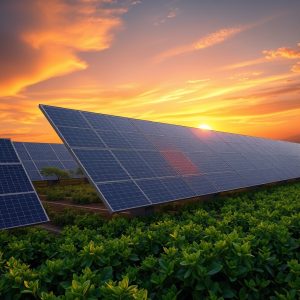
For example, on a sunny afternoon, solar panels may generate more energy than a neighborhood can immediately use. Instead of letting that surplus go to waste, the microgrid’s AI can decide to store the excess in high-capacity batteries or even divert it to nearby electric vehicle charging stations. Conversely, during a sudden spike in demand or a drop in renewable output—say, a cloudy day—the system can tap into stored energy or seamlessly switch to backup sources like biofuel generators. This level of adaptability not only maximizes efficiency but also minimizes reliance on fossil fuels, reducing both costs and carbon footprints.
The Role of AI in Energy Orchestration
Artificial intelligence is the linchpin of the smart microgrid, acting as the brain that orchestrates its every move. Machine learning algorithms analyze vast amounts of data to predict energy needs with remarkable accuracy. They learn from historical patterns—like how a factory’s energy consumption spikes during certain hours or how residential demand surges in the evenings—and use that knowledge to optimize performance. Over time, these systems become more sophisticated, identifying inefficiencies and suggesting improvements, such as the ideal placement of new solar panels or the most cost-effective times to charge batteries.
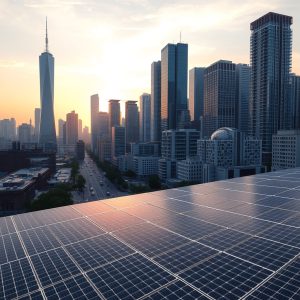
AI also enhances the grid’s resilience. In the event of a power outage or natural disaster, traditional grids can take hours or even days to restore service. Smart microgrids, however, can isolate the affected area and reroute power from alternative sources within seconds. This capability is particularly valuable in regions prone to extreme weather, where energy reliability can mean the difference between life and death. Moreover, AI-driven microgrids can integrate with other smart city technologies, such as traffic management systems or water distribution networks, creating a truly interconnected urban ecosystem.
Decentralization: Power to the People
The shift toward decentralized energy is more than just a technological evolution—it’s a cultural one. For over a century, power generation has been dominated by centralized utilities, where a handful of large plants supply electricity to millions of consumers. While this model has been effective, it’s also vulnerable to inefficiencies, outages, and geopolitical disruptions. Smart microgrids flip this paradigm on its head by empowering communities to take control of their energy futures. Homeowners with rooftop solar panels, businesses with on-site wind turbines, and even entire towns can become both producers and consumers of energy, trading excess power with neighbors through peer-to-peer energy markets.
This democratization of energy is already taking shape in places like Brooklyn, New York, where a blockchain-based microgrid allows residents to buy and sell solar energy directly with one another. In rural Africa, off-grid microgrids powered by solar and battery storage are bringing electricity to remote villages for the first time, leapfrogging the need for costly and polluting diesel generators. These examples underscore the transformative potential of decentralized energy systems—not just in reducing emissions, but in fostering economic equity and energy independence.
The Marriage of Biotech and Energy Storage
While AI and renewable energy are the stars of the smart microgrid, biotechnology is playing an increasingly vital supporting role. Innovations in bioengineering are unlocking new possibilities for energy storage, a critical component of any microgrid. Traditional lithium-ion batteries, while effective, have limitations in terms of cost, lifespan, and environmental impact. Researchers are now exploring bio-based alternatives, such as microbial fuel cells and bio-batteries, which use living organisms to generate and store electricity. These systems are not only more sustainable but also capable of operating in extreme conditions where conventional batteries might fail.
One promising avenue is the use of genetically engineered algae to produce biofuels that can be stored and used as backup power. Algae grow rapidly, require minimal resources, and can be cultivated in a variety of environments, making them an ideal candidate for scalable, eco-friendly energy solutions. When integrated into a smart microgrid, these bioenergy systems can provide a reliable, on-demand power source that complements intermittent renewables like solar and wind. The synergy between biotech and energy storage is still in its early stages, but the potential is enormous—imagine a future where our energy infrastructure is not just smart, but alive.
The Challenges Ahead
Despite their promise, smart microgrids are not without challenges. The upfront costs of installing renewable energy systems, advanced storage, and AI-driven infrastructure can be prohibitive for many communities. Regulatory hurdles also pose a significant barrier, as existing energy laws were designed for centralized grids and often fail to accommodate decentralized models. Cybersecurity is another critical concern, as the increased connectivity of smart grids makes them vulnerable to hacking and other digital threats. Addressing these issues will require collaboration between governments, private companies, and local communities to create policies that incentivize innovation while safeguarding public interests.
There’s also the question of scalability. While microgrids are ideal for localized energy needs, integrating them into larger regional or national grids presents complex technical and logistical challenges. Ensuring seamless interoperability between different systems—each with its own protocols and standards—will be essential for creating a cohesive, nationwide energy network. Yet, these challenges are not insurmountable. With continued advancements in technology and a growing global commitment to sustainability, smart microgrids are poised to become the backbone of our energy future.
The quiet revolution of smart microgrids is more than just a technological marvel—it’s a testament to human ingenuity and our ability to reimagine the systems that power our world. As these invisible networks expand, they are not only transforming how we generate and consume energy but also reshaping our relationship with the planet. In a future where every home, business, and community is both a producer and a steward of clean power, the grid is no longer just a utility; it’s a living, breathing entity that adapts, learns, and grows alongside us. The question is no longer whether this future is possible, but how quickly we can bring it to life.