Harnessing the Sun and the Cell: The Converging Frontiers of Solar and Biotechnology
The relentless pursuit of sustainable solutions to our global energy and environmental challenges is driving innovation at an unprecedented pace. Two fields, seemingly distinct yet increasingly intertwined, are at the forefront of this revolution: solar energy technology and biotechnology. While solar power has long been recognized as a cornerstone of clean energy, advancements in bioengineering and genetic engineering are beginning to unlock new potentials, not only for more efficient energy generation but also for novel applications that can reshape our relationship with both energy and the natural world.
The Evolving Landscape of Solar Technology
Solar energy systems have undergone remarkable transformations. From bulky, inefficient panels to sleek, high-performance photovoltaic (PV) modules, the journey has been one of continuous improvement. The focus has been on increasing conversion efficiency, reducing manufacturing costs, and enhancing the durability and lifespan of solar panel installations. Beyond traditional silicon-based panels, researchers are exploring perovskite solar cells, organic PV, and even transparent solar technologies that could be integrated into windows and building materials. Smart grid technology is also playing a crucial role, enabling better integration of solar power into existing energy infrastructures, managing fluctuating supply, and optimizing distribution. Energy storage systems, particularly advanced battery technologies, are critical for overcoming the intermittency of solar power, ensuring a reliable supply even when the sun isn’t shining.
Biotechnology: A New Frontier for Energy and Sustainability
Biotechnology, on the other hand, encompasses a broad range of disciplines, including bioengineering and genetic engineering, that leverage biological processes and organisms to develop new technologies and products. In the context of sustainability, its impact is multifaceted. Biofuels derived from algae or genetically modified crops offer renewable alternatives to fossil fuels. Bioremediation uses microorganisms to clean up pollution, addressing environmental damage caused by industrial activities. Furthermore, advanced biotech research is exploring bio-inspired materials and designs that can mimic natural processes for greater efficiency and sustainability in various applications.
The Symbiotic Relationship: Where Solar Meets Biology
The most exciting developments lie at the intersection of these two powerful fields. Imagine solar panels that are not only more efficient but also self-repairing, inspired by biological systems. Bioengineering is contributing to the development of new materials for solar cells, such as organic molecules or engineered proteins, that can capture sunlight more effectively or be manufactured using less energy-intensive processes. For instance, researchers are investigating how to create artificial photosynthesis systems that mimic the way plants convert sunlight into energy, but with significantly higher efficiency. This could lead to breakthroughs in producing hydrogen fuel or other chemical feedstocks directly from sunlight, water, and carbon dioxide.
Bio-Integrated Solar Solutions
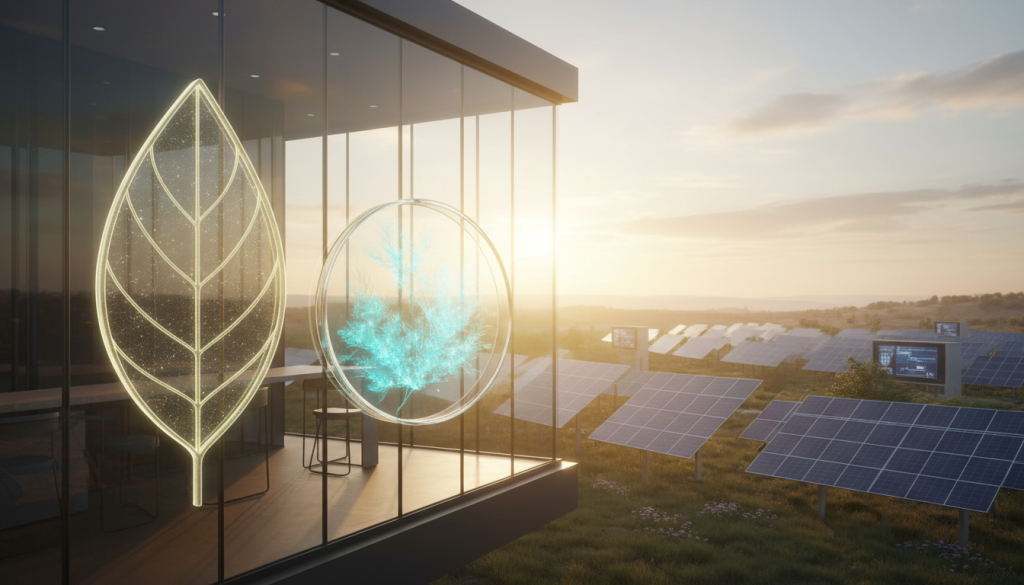
Genetic engineering also offers intriguing possibilities. Microorganisms can be engineered to produce conductive materials or to enhance the light-absorbing properties of biological pigments. This could pave the way for ‘living’ solar cells or bio-hybrid devices where biological components work in tandem with electronic ones. Such innovations could lead to flexible, biodegradable solar cells, reducing the environmental footprint of solar technology manufacturing and disposal. Furthermore, the principles learned from studying natural light-harvesting complexes in bacteria and plants can inform the design of next-generation solar energy systems, making them more robust and efficient.
The potential extends beyond energy generation. Bio-inspired designs, informed by the efficiency of natural systems, can lead to more sustainable building materials and urban planning. For example, understanding how leaves optimize light absorption could inspire the design of surfaces that maximize solar energy capture. Similarly, bio-integrated systems could be used for on-site energy generation and water purification in off-grid communities, leveraging both solar power and biological processes. The development of eco-friendly technologies in both domains is crucial for tackling climate change, and their convergence promises synergistic solutions that are greater than the sum of their parts. As we continue to explore these symbiotic relationships, the future of clean energy and sustainable living looks increasingly bright, powered by the ingenuity of both human innovation and the elegant designs of nature itself.