Harnessing Tomorrow: The Symbiotic Rise of Biotechnology and Renewable Energy

The 21st century is an era defined by unprecedented technological advancement, with two fields standing at the forefront of shaping our future: biotechnology and renewable energy. While often discussed separately, these disciplines are increasingly intertwined, promising a synergistic revolution that could redefine sustainability, health, and our very way of life. From bio-engineered solutions for energy production to the integration of smart technologies in our power grids, the convergence of these sectors is not just an innovation; it’s a necessity for a thriving planet.
The Bio-Energy Nexus: Powering Progress with Nature’s Blueprint
Biotechnology, with its roots in understanding and manipulating biological systems, is unlocking new avenues for renewable energy. Biofuels, derived from organic matter like algae, crops, and waste, represent a significant stride towards reducing our reliance on fossil fuels. Advanced bioengineering allows for the optimization of these sources, increasing their energy yield and reducing their environmental footprint. Imagine algae farms, engineered for maximum lipid production, serving as a continuous source of biodiesel, or waste biomass being efficiently converted into biogas through advanced microbial processes. These are not distant dreams but emerging realities driven by cutting-edge biotech research.
Beyond biofuels, genetic engineering is playing a crucial role in enhancing the efficiency of other renewable energy technologies. For instance, researchers are exploring ways to engineer microorganisms that can produce electricity directly through microbial fuel cells, or to develop more robust and efficient enzymes for the breakdown of biomass. The principles of biological self-assembly and energy conversion, honed by billions of years of evolution, are providing invaluable blueprints for next-generation clean energy solutions.
Solar’s Smarter Future: From Panels to Intelligent Grids
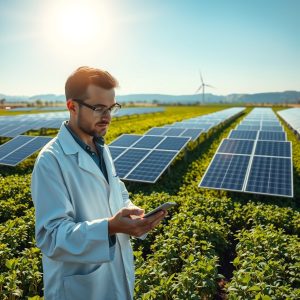
Parallel to biotech’s advances, solar technology continues its relentless march towards greater efficiency and broader adoption. Solar panel installation is becoming more accessible and cost-effective, empowering individuals and communities to generate their own clean energy. However, the true potential of solar power lies not just in the panels themselves, but in the intelligent systems that manage and distribute this energy. This is where smart grid technology and advanced energy storage systems become critical.
Smart grids are revolutionizing how we consume and distribute electricity. By integrating digital communication technologies, they allow for real-time monitoring, control, and optimization of energy flow. This means more efficient energy distribution, reduced waste, and the seamless integration of intermittent renewable sources like solar and wind. Demand-response programs, enabled by smart grids, allow consumers to adjust their energy usage during peak hours, further balancing the grid and reducing the need for expensive and polluting peaker plants.
Energy Storage: The Crucial Link in the Renewable Chain
The inherent variability of solar and wind power has always been a challenge. Without a reliable way to store excess energy generated during peak production times, its full potential cannot be realized. This is where energy storage systems, particularly advanced battery technologies and emerging solutions like hydrogen storage, are proving to be game-changers. Innovations in materials science and electrochemistry are leading to batteries that are cheaper, more durable, and have higher energy densities. These systems ensure that clean energy is available when needed, day or night, rain or shine, making solar energy systems a truly dependable power source.
The integration of these storage solutions with solar power systems is creating robust, resilient microgrids and enhancing the stability of the main grid. This decentralization of energy generation and storage is a key component of future energy security, reducing reliance on centralized, vulnerable infrastructure and empowering local communities.
The Convergence: A Symphony of Sustainability
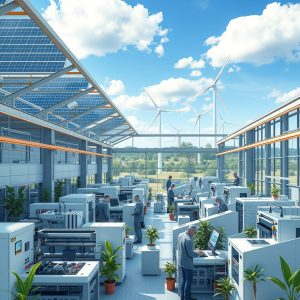
The true power of these advancements lies in their convergence. Imagine bio-engineered organisms that can efficiently capture CO2 and convert it into usable biofuels, while simultaneously powering a community through integrated solar energy systems managed by a smart grid. Consider advanced biotech research leading to self-healing materials for solar panels, or bio-inspired designs for more efficient wind turbines. These are the kinds of innovations that will define the next generation of technology.
The solar energy business is expanding rapidly, driven by both economic and environmental imperatives. As climate tech solutions mature, the demand for sustainable technology is growing exponentially. This creates a fertile ground for further investment and innovation, blurring the lines between industries and fostering a holistic approach to tackling global challenges. Eco-friendly technology is no longer a niche market; it is becoming the mainstream, driven by a collective understanding that our economic prosperity is inextricably linked to the health of our planet.
The future is not about choosing between technological progress and environmental stewardship; it is about recognizing how they can amplify each other. By fostering collaboration between biotechnologists, renewable energy engineers, material scientists, and computer engineers, we can accelerate the development of solutions that are not only groundbreaking but also essential for a sustainable and prosperous future for all. This integrated approach, leveraging the best of nature’s designs and human ingenuity, is the most promising path forward.