The Silent Revolution: How Smart Grids and Energy Storage Are Redefining Solar Power
The hum of progress is often quiet, a subtle shift beneath the surface of everyday life. Yet, in the world of renewable energy, this undercurrent is growing louder, reshaping how we generate, distribute, and consume power. At the heart of this transformation lies the convergence of two groundbreaking technologies: smart grids and advanced energy storage systems. Together, they are not just enhancing solar power—they are redefining its very essence, turning intermittent sunlight into a reliable, round-the-clock energy source.
The Grid Awakens: From Static to Smart
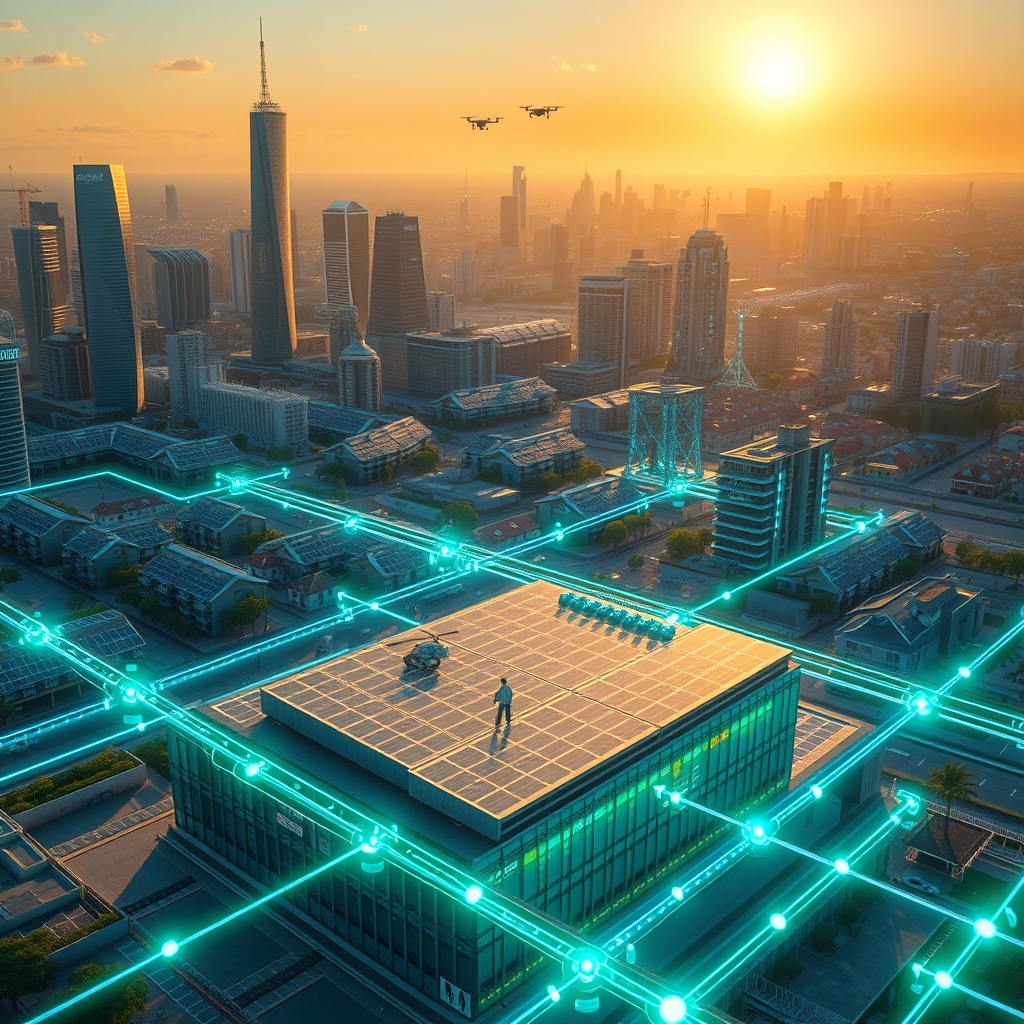
For over a century, electrical grids have operated on a one-way street: power plants generate electricity, and consumers passively receive it. This model, while functional, is increasingly outdated in an era where energy demands fluctuate wildly, and renewable sources like solar introduce variability. Enter the smart grid—a dynamic, two-way network that leverages digital technology to monitor, analyze, and optimize electricity flow in real time.
Smart grids are the nervous system of modern energy infrastructure. Embedded with sensors, IoT devices, and advanced analytics, they detect patterns in energy consumption, predict demand surges, and reroute power to prevent outages. For solar energy, this means no more wasted potential. Excess energy generated during peak sunlight hours can be stored or redistributed, while cloudy days no longer spell disaster. The grid learns, adapts, and evolves, much like a living organism responding to its environment.
The Role of AI in Grid Intelligence
Artificial intelligence is the silent architect behind this evolution. Machine learning algorithms process vast amounts of data—weather forecasts, historical consumption trends, even real-time solar irradiance—to make split-second decisions. For instance, AI can predict when a neighborhood’s solar panels will produce more energy than needed and automatically divert the surplus to a nearby industrial zone or storage facility. This level of precision was unimaginable a decade ago, yet today, it’s becoming the standard.
Energy Storage: The Missing Link in Solar’s Puzzle
Solar power’s greatest strength—its reliance on the sun—has also been its Achilles’ heel. What happens when the sun sets or clouds roll in? Traditional grids struggle with this intermittency, but energy storage systems are changing the game. Lithium-ion batteries, once the domain of smartphones and laptops, have scaled up to utility-level solutions, capable of storing megawatts of energy for hours or even days.
Yet, the innovation doesn’t stop there. Researchers are exploring alternatives like flow batteries, which use liquid electrolytes to store energy, and thermal storage systems that convert excess solar power into heat, holding it for later use. Even gravity-based storage—where massive weights are lifted during surplus energy periods and lowered to generate power when needed—is gaining traction. These technologies are not just backup plans; they are the backbone of a solar-powered future.
The Rise of Community Energy Networks
One of the most exciting developments in this space is the rise of decentralized energy networks. Instead of relying on a handful of large power plants, communities are installing solar microgrids—localized systems that generate, store, and distribute energy independently. These networks are particularly transformative for remote or underserved areas, where traditional infrastructure is lacking. In places like rural Africa or island nations, solar microgrids are leapfrogging the need for costly transmission lines, bringing reliable power to millions for the first time.
Biotechnology’s Unexpected Role in Energy Storage
While smart grids and batteries dominate the conversation, biotechnology is quietly carving out its own niche in energy storage. Bioengineered materials, such as supercapacitors made from modified proteins or algae-based batteries, are emerging as sustainable alternatives to traditional lithium-ion solutions. These innovations leverage the natural efficiency of biological systems, offering higher energy densities and faster charging times—all while reducing reliance on rare earth minerals.
Imagine a future where energy storage is not just efficient but also biodegradable. Researchers are already experimenting with bio-based polymers that can decompose harmlessly, eliminating the environmental toll of battery disposal. This fusion of biotech and energy storage could redefine sustainability, making solar power not just clean but truly circular.
The Economic Ripple Effect
The impact of these advancements extends far beyond the technical. As smart grids and energy storage mature, they are driving down the cost of solar power, making it competitive with fossil fuels in more regions than ever before. This economic shift is creating jobs in manufacturing, installation, and maintenance, while also empowering consumers to become prosumers—people who both produce and consume energy. In some markets, homeowners with solar panels and batteries can sell excess power back to the grid, turning their rooftops into miniature power plants.
The road ahead is not without challenges. Cybersecurity threats loom over smart grids, and the environmental impact of battery production remains a concern. Yet, the momentum is undeniable. Every breakthrough in energy storage, every upgrade to grid intelligence, brings us closer to a world where solar power is not just an alternative but the dominant force in our energy landscape. The revolution may be silent, but its effects will echo for generations, illuminating a path toward a cleaner, smarter, and more resilient future.