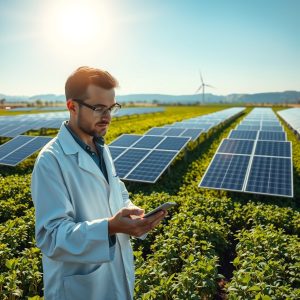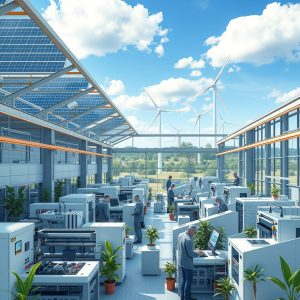
Harnessing the Sun: How Solar Technology and Biotech Innovations Are Shaping a Sustainable Future
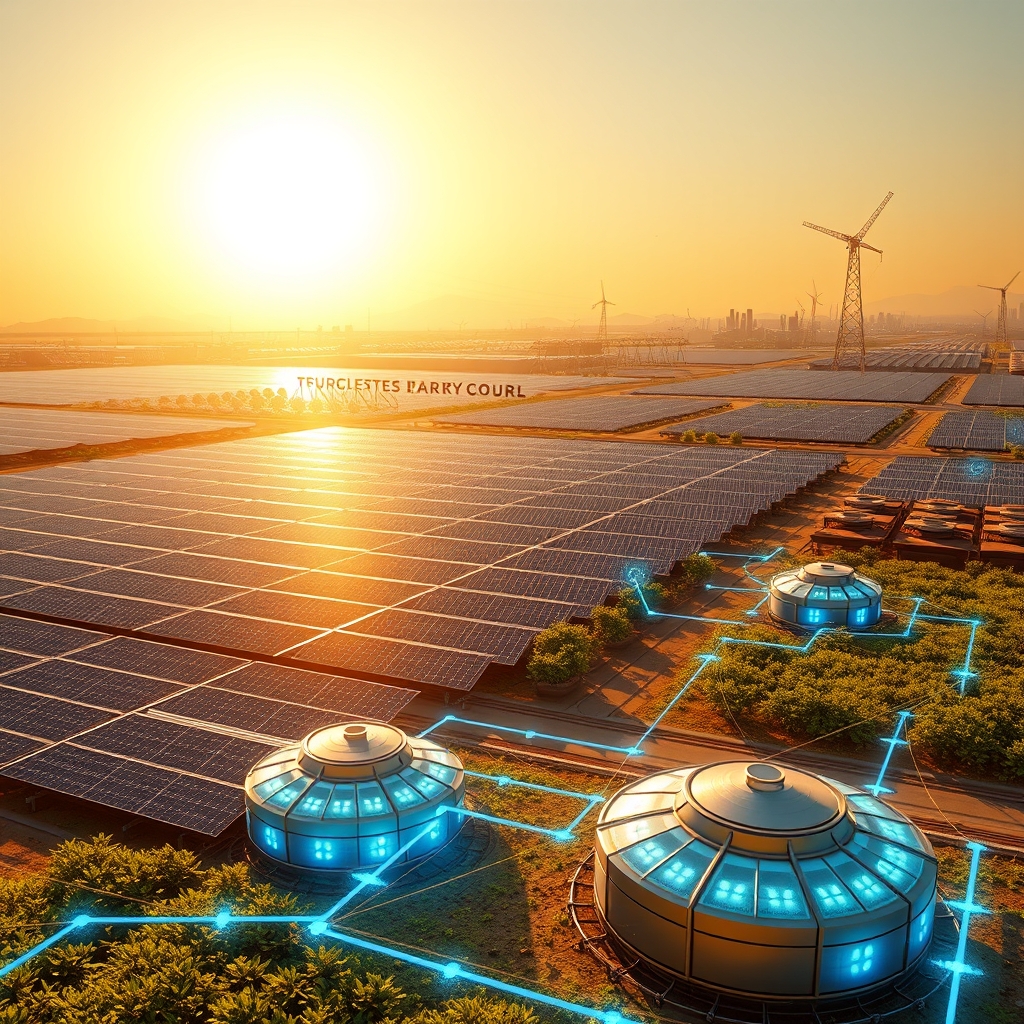
The intersection of solar technology and biotechnology is forging a path toward a more sustainable and resilient future. As the world grapples with the urgent need to reduce carbon emissions and transition away from fossil fuels, innovations in renewable energy and bioengineering are emerging as game-changers. These advancements are not only revolutionizing how we generate and store energy but also how we interact with the environment, offering solutions that are both cutting-edge and eco-friendly.
The Rise of Solar Energy Systems
Solar energy has long been hailed as a cornerstone of clean energy innovation, but recent breakthroughs are making it more efficient, accessible, and integrated than ever before. Modern solar panel installations are no longer the bulky, inefficient systems of the past. Today’s photovoltaic (PV) panels leverage advanced materials like perovskite, which promise higher energy conversion rates at a fraction of the cost. These next-generation solar cells are thinner, lighter, and more adaptable, allowing them to be integrated into windows, building facades, and even clothing.
Beyond the panels themselves, smart grid technology is transforming how solar energy is distributed and managed. By incorporating artificial intelligence and IoT (Internet of Things) devices, smart grids can optimize energy flow, reduce waste, and ensure that power is delivered where it’s needed most. This level of intelligence is critical for balancing the intermittent nature of solar power, ensuring that energy is available even when the sun isn’t shining.
Energy Storage: The Key to Unlocking Solar’s Potential
One of the biggest challenges facing solar energy systems has been storage. Traditional batteries, while effective, are often expensive and limited in capacity. However, innovations in energy storage systems are addressing these issues head-on. Lithium-ion batteries, once the gold standard, are now being complemented by alternative technologies like flow batteries, which offer longer lifespans and greater scalability. These systems are particularly well-suited for large-scale solar farms, where they can store excess energy generated during peak sunlight hours for use during periods of high demand or low production.
Another exciting development in energy storage is the use of bioengineered materials. Researchers are exploring how genetically modified organisms, such as algae or bacteria, can be harnessed to produce biofuels or even store energy directly. These bio-based solutions offer a sustainable alternative to traditional battery materials, reducing the environmental impact of energy storage while improving efficiency.
Biotechnology’s Role in Clean Energy Innovation
Biotechnology is not just enhancing energy storage; it’s also opening new avenues for clean energy production. Genetic engineering is enabling scientists to create microorganisms that can convert sunlight into biofuels with remarkable efficiency. For example, cyanobacteria—often referred to as blue-green algae—can be engineered to produce hydrogen or ethanol directly from sunlight and carbon dioxide. This process, known as photobiological hydrogen production, could revolutionize the way we think about fuel, offering a carbon-neutral alternative to fossil fuels.
In addition to biofuels, biotech advances are being applied to improve the efficiency of solar panels. Researchers are developing biohybrid solar cells that combine biological components, such as proteins or enzymes, with traditional PV materials. These hybrid systems can mimic the natural process of photosynthesis, potentially increasing the energy conversion efficiency of solar panels beyond what is currently possible with purely synthetic materials.
Sustainable Technology and the Future of Smart Grids
The integration of sustainable technology into smart grids is another area where solar and biotech innovations are making a significant impact. Smart grids equipped with AI-driven analytics can predict energy demand, optimize renewable energy distribution, and even detect and respond to outages in real time. This level of automation not only improves the reliability of solar energy systems but also reduces operational costs, making renewable energy more competitive with traditional power sources.
Moreover, the rise of decentralized energy systems—where power is generated and stored locally rather than relying on a centralized grid—is empowering communities to take control of their energy futures. Solar-powered microgrids, for example, can provide reliable electricity to remote or underserved areas, reducing dependence on fossil fuels and enhancing energy security. When combined with biotech solutions like bioenergy storage, these microgrids can operate entirely off-grid, further reducing their environmental footprint.
Eco-Friendly Technology and the Circular Economy
The push toward eco-friendly technology is also driving the adoption of circular economy principles in the energy sector. Unlike the traditional linear model of “take, make, dispose,” the circular economy emphasizes sustainability at every stage of a product’s lifecycle. In the context of solar technology, this means designing panels that are easier to recycle, using materials that can be repurposed, and minimizing waste during manufacturing and installation.
Biotechnology is playing a crucial role in this shift by enabling the development of biodegradable materials and processes. For instance, researchers are exploring the use of fungal mycelium—a network of thread-like cells—to create biodegradable packaging for solar panels. This not only reduces waste but also lowers the carbon footprint of solar panel production. Similarly, advances in genetic engineering are making it possible to create enzymes that can break down waste materials, such as old solar panels or batteries, into reusable components.
The synergy between solar technology and biotechnology is creating a ripple effect across industries, from energy and agriculture to manufacturing and transportation. As these fields continue to evolve, they are not only addressing the immediate challenges of climate change but also laying the groundwork for a more sustainable and resilient future. The innovations emerging today are not just about keeping pace with demand; they are about reimagining what is possible, pushing the boundaries of science, and creating solutions that benefit both people and the planet. The journey toward a cleaner, greener world is well underway, and with each breakthrough, we move one step closer to a future where energy is abundant, affordable, and entirely sustainable.