The Solar Bloodstream: How Bioengineered Vascular Networks Are Revolutionizing Energy Storage in Solar Systems
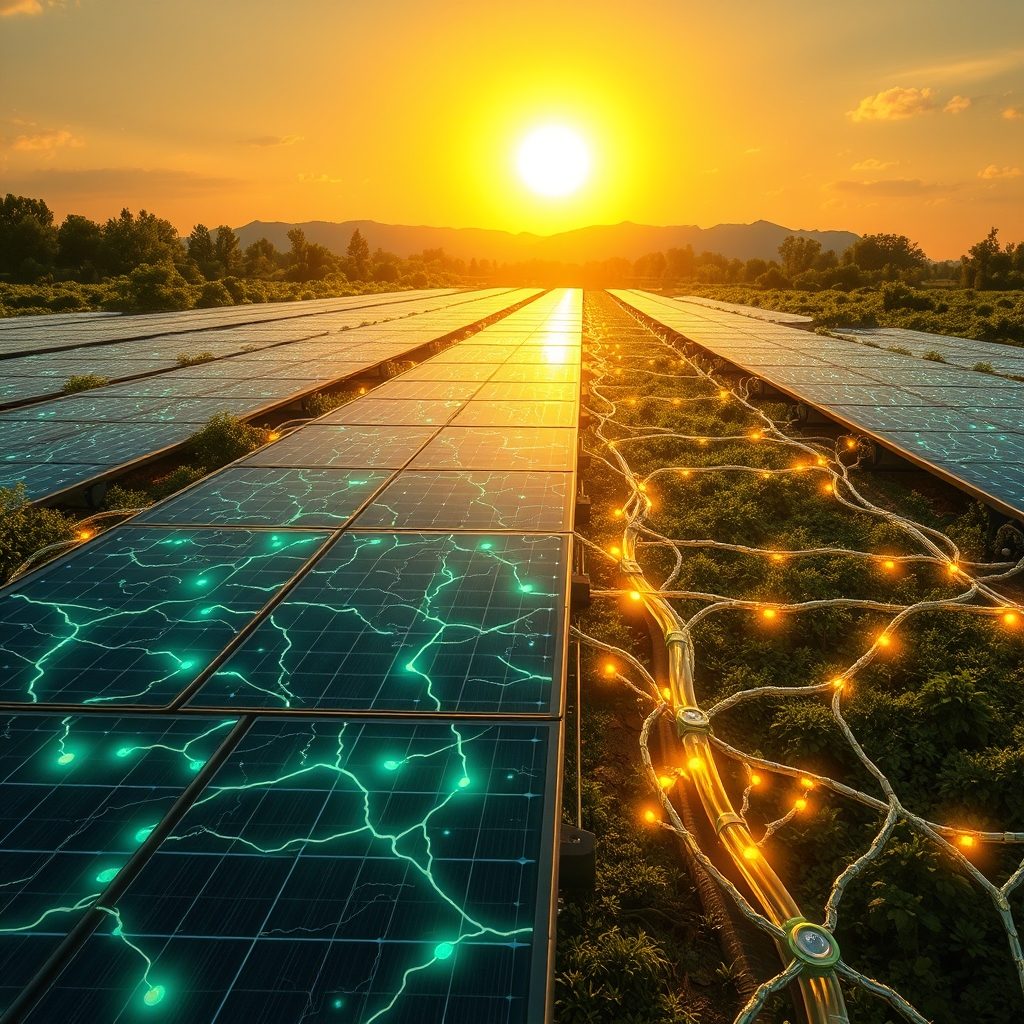
The sun has long been the lifeblood of our planet, fueling the intricate web of life through photosynthesis and sustaining ecosystems with its radiant energy. Yet, as humanity strides toward a future powered by renewable sources, we find ourselves at the precipice of a groundbreaking convergence: the fusion of biological systems with solar technology. This union is not merely an evolution—it is a revolution, one that promises to redefine how we capture, store, and distribute energy. At the heart of this transformation lies an innovation as elegant as it is radical: bioengineered vascular networks designed to mimic the circulatory systems of living organisms, now being integrated into solar energy storage.
The Biology of Energy Storage
Nature has spent billions of years perfecting the art of energy distribution. From the veins of leaves that transport nutrients to the capillaries in our own bodies that deliver oxygen, vascular systems are the unsung heroes of efficiency. Scientists and engineers, ever the keen observers of nature’s blueprints, have begun to ask: what if we could replicate this biological marvel in our solar energy systems? The answer is unfolding in laboratories and research facilities around the world, where bioengineered vascular networks are being developed to address one of the most persistent challenges in renewable energy—storage.
Traditional solar energy systems rely on batteries, which, while effective, come with a host of limitations. Lithium-ion batteries, the current gold standard, are expensive, degrade over time, and pose environmental risks due to their reliance on rare earth metals. Moreover, their efficiency diminishes in extreme temperatures, a critical flaw in regions where solar energy is most abundant. Bioengineered vascular networks, however, offer a tantalizing alternative. By embedding microfluidic channels within solar panels or energy storage devices, researchers are creating systems that can dynamically regulate temperature, distribute energy more efficiently, and even self-repair.
The Science Behind the Innovation
The concept of bioengineered vascular networks in solar technology is rooted in biomimicry, the practice of drawing inspiration from nature to solve human challenges. These networks are composed of tiny, branching channels—much like the veins in a leaf—that circulate a heat-transfer fluid or an energy-storing medium. The fluid absorbs excess heat generated by solar panels, preventing overheating and maintaining optimal performance. But the innovation doesn’t stop there. Some of the most cutting-edge research is exploring the use of bioengineered fluids that can store and release energy on demand, effectively turning the vascular network into a living battery.
One of the most promising developments in this field is the use of phase-change materials (PCMs) within these vascular networks. PCMs are substances that absorb and release thermal energy during the process of melting and solidifying. When integrated into a solar panel’s vascular system, they can store excess energy during peak sunlight hours and release it when the sun sets or demand spikes. This not only enhances the efficiency of solar panels but also extends their lifespan by mitigating thermal stress. Imagine a solar farm where every panel operates like a living organism, dynamically responding to its environment with the precision of a biological system.
The Marriage of Biotechnology and Solar Energy
The integration of bioengineered vascular networks into solar technology is not just a technical achievement—it is a testament to the power of interdisciplinary innovation. Biotechnologists, materials scientists, and renewable energy experts are collaborating in ways that were unimaginable just a decade ago. One of the most exciting frontiers in this space is the use of genetically engineered microbes to enhance the functionality of these networks. For instance, researchers are exploring the use of cyanobacteria—photosynthetic microorganisms that can produce bioelectricity—to create hybrid solar systems. These microbes can be embedded within the vascular channels, where they convert sunlight into electrical energy while simultaneously contributing to the system’s thermal regulation.
Another avenue of exploration is the development of self-healing materials for vascular networks. Inspired by the way human skin repairs itself after a cut, scientists are engineering polymers that can autonomously seal cracks or leaks in the microfluidic channels. This not only reduces maintenance costs but also ensures the longevity of the solar energy system. The implications are profound: solar farms could one day operate with the resilience of a living ecosystem, adapting to damage and environmental changes without human intervention.
The Future of Energy Distribution
The potential applications of bioengineered vascular networks extend far beyond individual solar panels. Imagine a smart grid where energy is not just stored but dynamically redistributed through a network of interconnected vascular systems. These systems could respond in real-time to fluctuations in energy supply and demand, much like the way our circulatory system adjusts blood flow based on the body’s needs. During periods of low sunlight, energy stored in the vascular networks could be released to meet demand, while excess energy during peak hours could be efficiently stored for later use. This level of adaptability could finally solve the intermittency problem that has long plagued renewable energy sources.
Moreover, the scalability of this technology is staggering. From small-scale residential solar installations to vast utility-scale solar farms, bioengineered vascular networks could be tailored to fit a variety of applications. In urban environments, where space is at a premium, these systems could be integrated into building materials, turning skyscrapers into vertical solar power plants. In rural areas, they could provide off-grid communities with a reliable and sustainable source of energy, free from the constraints of traditional battery storage.
Challenges and Ethical Considerations
As with any emerging technology, the path to widespread adoption is fraught with challenges. One of the most significant hurdles is the cost of developing and manufacturing bioengineered vascular networks. While the long-term benefits—such as reduced maintenance costs and increased efficiency—are clear, the initial investment required to scale this technology could be prohibitive for many. Additionally, there are technical challenges to overcome, such as ensuring the durability of the microfluidic channels and optimizing the performance of the bioengineered fluids within them.
Ethical considerations also come into play, particularly when it comes to the use of genetically engineered organisms. While the potential benefits are immense, there are valid concerns about the environmental impact of releasing engineered microbes into the wild. Researchers must tread carefully, ensuring that these systems are contained and that their ecological footprint is minimized. Public perception will also play a crucial role in the adoption of this technology. Transparency and education will be key to gaining the trust of communities and policymakers alike.
The fusion of biotechnology and solar energy is not just a scientific endeavor—it is a vision of what the future could look like. A future where our energy systems are not static, rigid structures, but dynamic, living networks that grow, adapt, and evolve alongside us. As we stand on the brink of this new era, it is worth reflecting on the profound implications of this innovation. The sun has always been the source of life on Earth, and now, through the ingenuity of human innovation, it is becoming the source of our energy future. The question is no longer whether we can harness the power of the sun in new and revolutionary ways, but how quickly we can bring these visions to life. The solar bloodstream is flowing, and with it, the promise of a cleaner, more sustainable world pulses ever stronger.