The Solar Symphony: How Agrivoltaics and Sodium Ion Batteries Are Harmonizing Energy and Agriculture
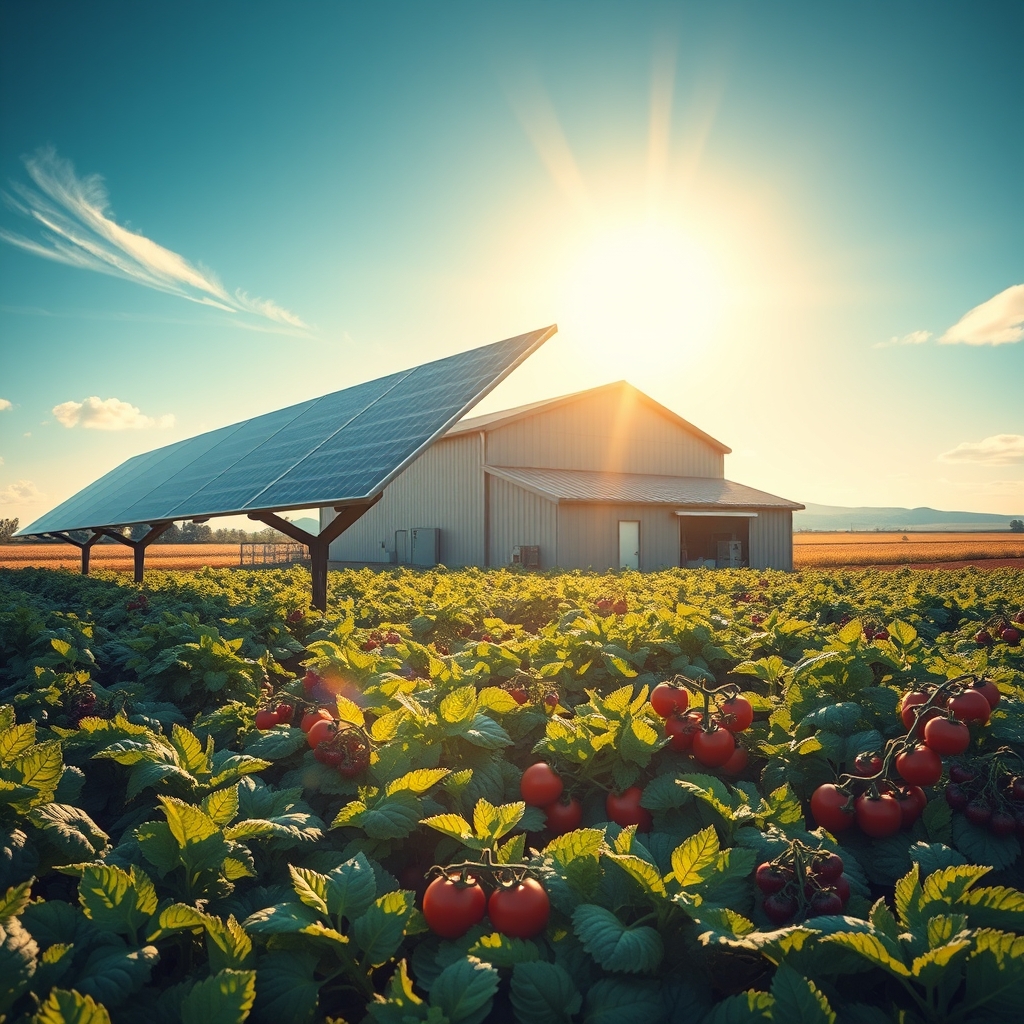
The golden fields stretch endlessly under the midday sun, their amber waves swaying gently in the breeze. But something is different here. Rising above the crops, sleek solar panels glide on elevated tracks, their dark surfaces shimmering like the wings of some futuristic bird. This is not a scene from a sci-fi novel—it is the reality of agrivoltaics, a revolutionary approach where agriculture and solar energy coexist in perfect harmony. The land below remains fertile, the harvests abundant, while above, the sun’s rays are captured to power homes, businesses, and the very farms that sustain us.
The Marriage of Sun and Soil
Agrivoltaics, or dual-use solar farming, is more than just a clever engineering feat—it is a testament to humanity’s ability to reimagine the relationship between energy production and land use. Traditional solar farms often face criticism for occupying vast tracts of land that could otherwise be used for agriculture. Agrivoltaics eliminates this conflict by integrating solar panels into farming operations. The panels are mounted high enough to allow tractors and livestock to move freely beneath them, while their adjustable angles optimize sunlight exposure for both energy generation and crop growth.
In regions like Japan, France, and the American Midwest, agrivoltaic systems have demonstrated remarkable success. Crops such as lettuce, tomatoes, and berries thrive in the partial shade provided by the panels, which reduces water evaporation and protects plants from extreme heat. Meanwhile, the energy generated can be used on-site to power irrigation systems, cold storage, or even electric farm equipment, creating a closed-loop system that enhances sustainability. The synergy doesn’t end there—studies have shown that certain crops, like leafy greens, can actually yield more under agrivoltaic conditions than in open fields, thanks to the microclimate created by the panels.
The Battery Breakthrough: Sodium Ion’s Rise
Yet, the sun does not shine 24/7, and the wind does not always blow. For renewable energy to truly replace fossil fuels, we need storage solutions that are not only efficient but also scalable and sustainable. Enter sodium ion batteries—a technology that is poised to disrupt the energy storage landscape. Unlike lithium-ion batteries, which rely on scarce and environmentally taxing materials like cobalt and lithium, sodium ion batteries use sodium, an element abundant in seawater and salt deposits. This makes them not only cheaper to produce but also far more eco-friendly.
Sodium ion batteries are still in their early stages of commercialization, but their potential is undeniable. They offer comparable energy density to lithium-ion batteries and can be charged and discharged thousands of times without significant degradation. Moreover, they are inherently safer, as sodium is less prone to thermal runaway—a critical advantage for large-scale energy storage applications. Companies like CATL and Faradion are already making strides in bringing sodium ion batteries to market, with pilot projects underway in electric vehicles and grid storage systems. As the technology matures, it could become the backbone of decentralized energy networks, storing excess solar and wind power for use when the skies are dark and the air is still.
Powering the Farm of the Future
The convergence of agrivoltaics and sodium ion batteries paints a vivid picture of what the future of farming—and energy—could look like. Imagine a rural landscape where solar panels double as shade structures for crops, their energy stored in sodium ion batteries housed in repurposed farm buildings. During the day, the panels generate electricity, powering irrigation pumps and automated harvesters. At night, the stored energy keeps the farm running, while any excess is fed into the local grid, creating an additional revenue stream for farmers. This model not only reduces the carbon footprint of agriculture but also makes it more resilient to climate change, energy price fluctuations, and supply chain disruptions.
In developing countries, where access to reliable electricity is often limited, agrivoltaics and sodium ion batteries could be transformative. Off-grid farms could become self-sufficient energy hubs, powering not just their own operations but also nearby communities. The decentralized nature of these systems aligns perfectly with the growing trend toward microgrids and distributed energy resources, where power is generated and consumed locally, reducing transmission losses and increasing energy security.
The Ripple Effect: Beyond the Farm
The implications of agrivoltaics and sodium ion batteries extend far beyond the agricultural sector. As these technologies scale, they could accelerate the transition to a fully renewable energy grid. Agrivoltaic farms could become virtual power plants, dynamically adjusting their energy output based on grid demand. Sodium ion batteries, with their low cost and high safety, could enable widespread adoption of behind-the-meter storage, allowing homeowners and businesses to store solar energy for use during peak hours or power outages.
Moreover, the environmental benefits are profound. By reducing the need for lithium mining, sodium ion batteries could alleviate some of the ecological and ethical concerns associated with battery production. Agrivoltaics, meanwhile, could help combat deforestation and habitat loss by making solar farms more land-efficient. Together, these innovations could play a pivotal role in achieving global climate goals, from the Paris Agreement to national net-zero targets.
Challenges on the Horizon
Of course, no technological revolution comes without its hurdles. For agrivoltaics, one of the biggest challenges is finding the right balance between energy production and crop yield. Different crops have different light and space requirements, and not all farming practices are compatible with solar panel installations. Researchers are still working to optimize panel height, spacing, and tracking systems to maximize both energy and agricultural output. Additionally, the upfront costs of agrivoltaic systems can be prohibitive for small-scale farmers, though government incentives and innovative financing models are beginning to address this barrier.
Sodium ion batteries, too, face obstacles. While they are cheaper to produce than lithium-ion batteries, they currently lag behind in energy density, meaning they require more space to store the same amount of energy. This could limit their application in electric vehicles, where size and weight are critical factors. However, ongoing research into new materials and battery chemistries is rapidly closing this gap. Another challenge is the need for standardized manufacturing processes to ensure consistent quality and performance as production scales up.
The fields of tomorrow are already taking shape today, not in the sterile confines of a laboratory, but in the living, breathing landscapes where food and energy intersect. Agrivoltaics and sodium ion batteries are more than just technologies—they are symbols of a world where human ingenuity and nature’s rhythms work in concert. As the sun rises over these dual-use farms, casting dappled shadows on the crops below, it is a reminder that the future of energy is not just about harnessing the power of the sun, but about doing so in a way that nourishes the earth as much as it powers our lives. The symphony of sun and soil has only just begun, and its melody promises to resonate for generations to come.