The Solar Nexus: How Smart Grid Technology and Bioengineered Energy Storage Are Crafting the Next-Gen Renewable Ecosystem
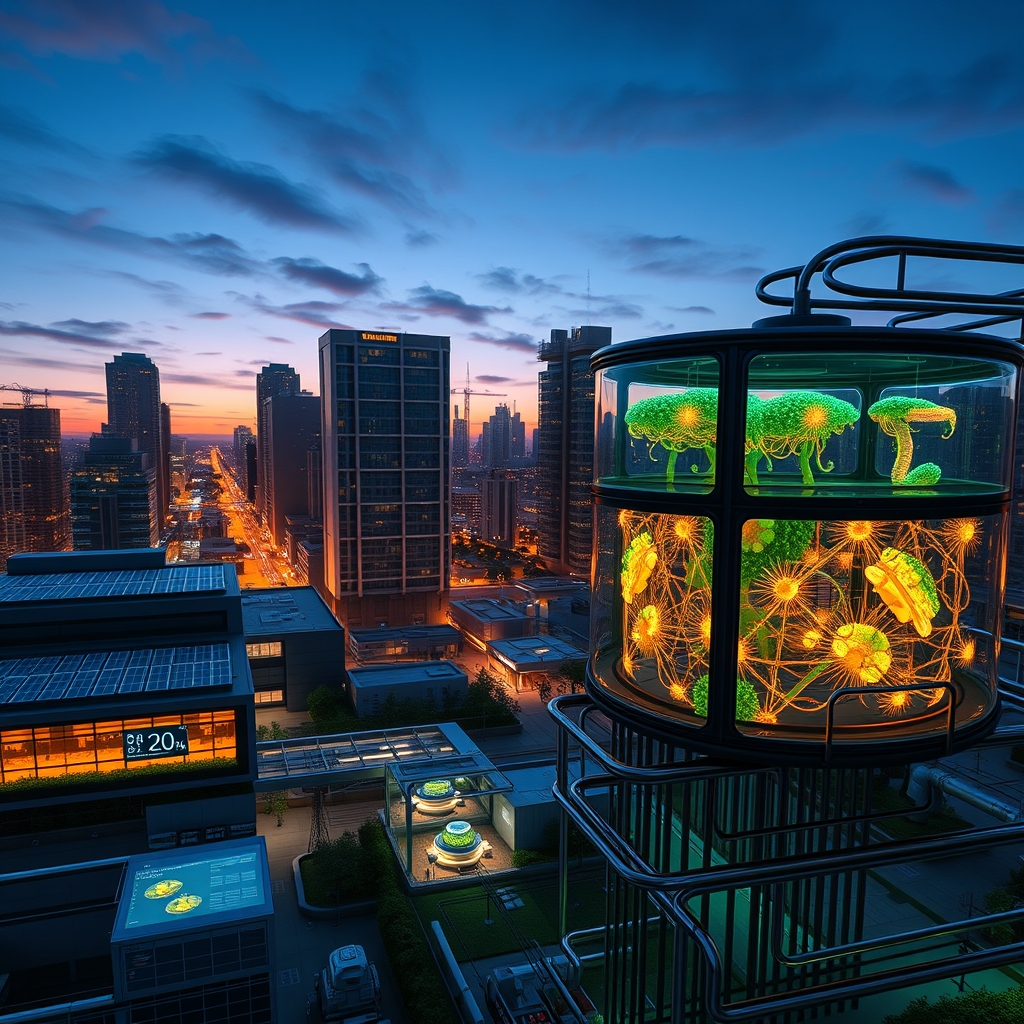
The hum of progress is no longer confined to the whir of turbines or the silent stretch of solar panels across vast fields. It now resonates in the intricate dance between biology and technology, where the boundaries of what’s possible are being redrawn with every breakthrough. At the heart of this transformation lies a convergence so profound that it promises to redefine how we generate, store, and distribute energy: the fusion of smart grid technology with bioengineered energy storage. This is not just an evolution; it’s a revolution that’s quietly unfolding, one innovation at a time.
The Smart Grid: The Nervous System of Tomorrow’s Energy
Imagine a grid so intelligent that it anticipates demand before it arises, reroutes power in real-time to prevent outages, and seamlessly integrates renewable sources without a hitch. This is the promise of smart grid technology—a dynamic, self-regulating network that leverages artificial intelligence, IoT sensors, and advanced analytics to create an energy ecosystem that is as responsive as it is resilient. Unlike traditional grids, which operate on a one-way flow of electricity, smart grids are bidirectional, allowing for a continuous exchange of data and power between utilities and consumers.
The implications are staggering. With smart grids, energy waste is minimized, as the system can detect inefficiencies and adjust accordingly. For instance, during periods of low demand, excess energy can be stored or redirected to where it’s needed most, reducing the reliance on fossil fuel-based peaker plants. Moreover, smart grids empower consumers to become active participants in the energy market. Through real-time monitoring and dynamic pricing, households and businesses can optimize their energy usage, lowering costs and reducing their carbon footprint. It’s a shift from a centralized, top-down energy model to a decentralized, democratized one—where every node in the network has a voice.
Bioengineered Energy Storage: The Living Battery
Yet, even the most advanced smart grid is only as strong as its ability to store energy. Enter bioengineered energy storage—a field where biology meets engineering to create solutions that are not only efficient but also sustainable. Traditional lithium-ion batteries, while effective, come with a host of environmental and supply chain challenges. Bioengineered alternatives, on the other hand, harness the power of living organisms to store and release energy in ways that are both innovative and eco-friendly.
One of the most promising avenues in this space is the use of bioelectrochemical systems, such as microbial fuel cells (MFCs). These systems leverage the metabolic processes of microorganisms to convert organic matter into electricity. Unlike conventional batteries, MFCs can operate continuously as long as there is a supply of organic waste, making them ideal for applications in wastewater treatment plants or agricultural settings. The energy generated can be fed directly into the grid or stored for later use, creating a closed-loop system that turns waste into wealth.
Another groundbreaking development is the use of bioengineered enzymes to enhance the performance of energy storage devices. For example, researchers have developed enzymes that can catalyze reactions within flow batteries, increasing their efficiency and lifespan. These bio-catalyzed systems not only reduce the cost of energy storage but also eliminate the need for rare and toxic materials, paving the way for a more sustainable future.
The Synergy of Smart Grids and Bioengineered Storage
The true magic happens when smart grid technology and bioengineered energy storage converge. Together, they form a symbiotic relationship that amplifies the strengths of each. Smart grids provide the infrastructure needed to integrate bioengineered storage solutions into the broader energy ecosystem, while bioengineered systems offer the flexibility and sustainability that traditional storage methods lack.
Consider a scenario where a smart grid detects an impending surge in energy demand. Instead of firing up a peaker plant, the system can draw on stored energy from bioengineered batteries, which have been charged during periods of low demand. These batteries, powered by microbial fuel cells or bio-catalyzed reactions, can release energy quickly and efficiently, ensuring a stable supply without the environmental cost. Meanwhile, the grid’s AI-driven analytics can predict when and where energy will be needed, optimizing the deployment of these bioengineered resources.
This synergy also extends to resilience. Smart grids equipped with bioengineered storage can better withstand disruptions, whether from natural disasters or cyberattacks. For example, in the event of a blackout, localized bioengineered storage systems can provide backup power to critical infrastructure, such as hospitals or emergency services, while the grid works to restore full functionality. It’s a level of adaptability that traditional energy systems simply cannot match.
The Road Ahead: Challenges and Opportunities
Despite the immense potential, the path to widespread adoption is not without its hurdles. One of the biggest challenges is scalability. While bioengineered energy storage systems have shown promise in laboratory settings, scaling them up to meet the demands of a national grid requires significant investment and innovation. Similarly, smart grid technology relies on a robust digital infrastructure, which can be vulnerable to cyber threats if not properly secured.
Regulatory and policy frameworks also play a crucial role. Governments and industry leaders must collaborate to create standards that encourage innovation while ensuring safety and reliability. Incentives for research and development, as well as subsidies for early adopters, can accelerate the transition toward this next-gen renewable ecosystem. Additionally, public awareness and education are key to fostering acceptance and driving demand for these technologies.
Yet, the opportunities far outweigh the challenges. The fusion of smart grid technology and bioengineered energy storage represents a paradigm shift in how we think about energy. It’s a shift from a linear, extractive model to a circular, regenerative one—where waste is minimized, efficiency is maximized, and sustainability is baked into the very fabric of the system. As these technologies continue to evolve, they will not only redefine our energy landscape but also pave the way for a future where clean, reliable power is accessible to all.
The horizon is alight with possibility, where the silent hum of smart grids and the quiet pulse of bioengineered systems work in harmony to power a world that is not just sustainable, but thriving. This is not a distant dream; it’s a future that’s being built today, one innovation at a time, in the labs, fields, and cities where the seeds of change are already taking root. The question is no longer whether this future will arrive, but how quickly we can embrace it and make it our own.