The Solar Pulse: How Bio-Integrated Energy Storage is Redefining the Future of Renewable Power

The sun has always been the Earth’s most abundant and reliable energy source, yet harnessing its full potential has long been a challenge. While solar panels have become a familiar sight on rooftops and solar farms, the next frontier in renewable energy lies not just in capturing sunlight, but in storing and distributing it with unprecedented efficiency. This is where the fusion of biotechnology and energy storage systems is creating a paradigm shift—one that promises to make solar power more resilient, adaptable, and integrated into the fabric of our daily lives.
The Limitations of Traditional Energy Storage
For decades, lithium-ion batteries have dominated the energy storage landscape, powering everything from smartphones to electric vehicles. Yet, despite their widespread adoption, they come with significant drawbacks. Their production relies on rare earth minerals, which are environmentally taxing to extract and often sourced from politically unstable regions. Additionally, lithium-ion batteries degrade over time, losing capacity and efficiency, which limits their long-term viability for large-scale solar energy storage. The search for alternatives has led researchers to explore biological systems, where nature’s own mechanisms offer clues to more sustainable solutions.
The Bio-Inspired Breakthrough
Nature has spent billions of years perfecting energy storage and conversion. Photosynthesis, for instance, is one of the most efficient energy processes on the planet, where plants convert sunlight into chemical energy with remarkable precision. Scientists are now mimicking these biological processes to develop energy storage systems that are not only more efficient but also biodegradable and self-sustaining. One of the most promising advancements in this field is the development of bio-batteries—energy storage devices that use biological materials, such as enzymes, bacteria, or even entire microorganisms, to store and release energy.
Enzymatic Energy Storage
Enzymes are biological catalysts that facilitate chemical reactions with incredible efficiency. In the context of energy storage, enzymes can be engineered to break down organic compounds, releasing electrons in the process. These electrons can then be harnessed to generate electricity or stored for later use. Unlike traditional batteries, enzymatic energy storage systems do not rely on toxic or rare materials. Instead, they can use abundant organic compounds, such as glucose or cellulose, making them a far more sustainable option. Researchers at institutions like MIT and the University of Cambridge are already making strides in this area, developing bio-batteries that could one day replace lithium-ion technology in solar energy systems.
Microbial Fuel Cells
Another exciting development in bio-integrated energy storage is the use of microbial fuel cells (MFCs). These systems harness the metabolic processes of bacteria to generate electricity. When bacteria break down organic matter, they release electrons as a byproduct. MFCs capture these electrons, converting them into usable electrical energy. What makes MFCs particularly compelling is their potential for dual functionality—they can generate electricity while simultaneously treating wastewater or breaking down organic waste. This creates a closed-loop system where energy production and environmental remediation go hand in hand. Imagine a solar farm where panels not only capture sunlight but also house microbial fuel cells that store energy and purify water, all while reducing waste.
The Role of Smart Grids in Bio-Integrated Systems
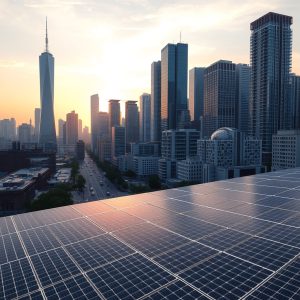
Even the most advanced energy storage systems are only as effective as the infrastructure that supports them. This is where smart grid technology comes into play. Smart grids use digital communication and automation to optimize the distribution and storage of electricity, ensuring that energy is used as efficiently as possible. When combined with bio-integrated energy storage, smart grids can dynamically balance supply and demand, reducing waste and improving the reliability of renewable energy sources.
For example, a smart grid could prioritize the use of energy stored in bio-batteries during peak demand hours, while relying on traditional lithium-ion storage during off-peak times. This hybrid approach maximizes the strengths of both systems, creating a more resilient and adaptable energy network. Additionally, smart grids can integrate data from weather forecasts, energy consumption patterns, and even biological sensors within bio-batteries to predict and respond to fluctuations in energy supply and demand. The result is a more stable and efficient energy ecosystem that can seamlessly incorporate renewable sources like solar power.
The Future of Solar Energy: A Symbiotic Ecosystem
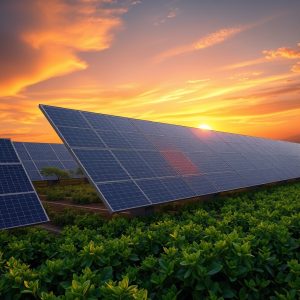
The convergence of biotechnology and energy storage is not just about improving efficiency—it’s about reimagining what solar energy systems can be. The future of renewable power lies in creating symbiotic ecosystems where biological and technological systems work in harmony. Picture a solar farm where panels are coated with photosynthetic microorganisms that not only enhance energy capture but also produce biofuels as a byproduct. Or envision urban buildings equipped with bio-integrated energy storage systems that not only power the structure but also purify the air and water within it. These are not distant fantasies but tangible possibilities on the horizon.
As research in this field advances, the line between biology and technology continues to blur. Bioengineered materials could lead to solar panels that repair themselves, much like living organisms heal wounds. Genetic engineering might one day allow us to design crops that grow in tandem with solar arrays, maximizing land use while producing both food and energy. The potential applications are as vast as they are transformative, offering a glimpse into a future where energy systems are not just sustainable but regenerative.
The shift toward bio-integrated energy storage is more than a technological evolution—it’s a fundamental rethinking of how we interact with energy. By drawing inspiration from the natural world, we are not only addressing the limitations of current systems but also paving the way for a future where energy is abundant, clean, and seamlessly woven into the fabric of life. The sun’s energy has always been there, waiting to be harnessed; now, with the help of biotechnology, we are learning to store, share, and sustain it in ways that were once unimaginable. The pulse of this new energy era is already beating, and its rhythm is one of innovation, harmony, and endless possibility.