
Carbon Capture Technology: A Bridge to Net-Zero Emissions
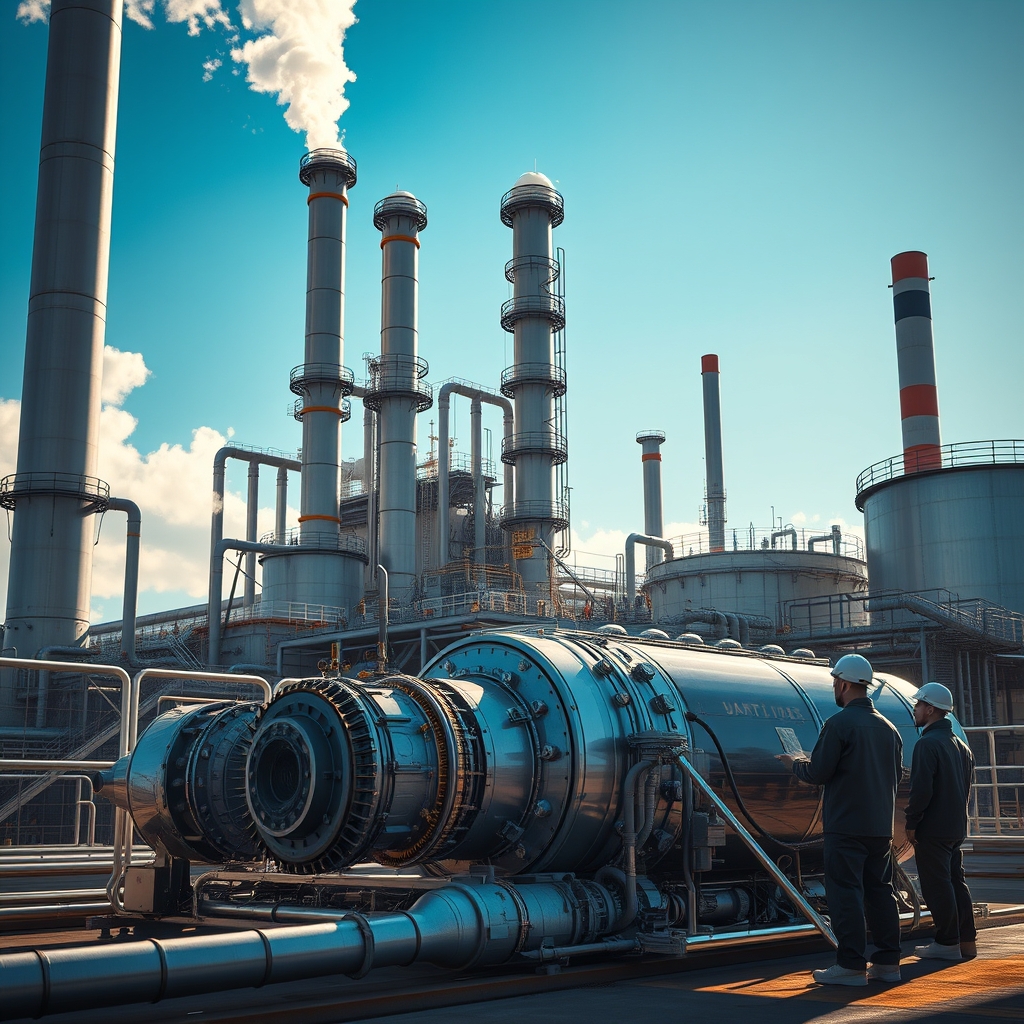
The urgency of addressing climate change has never been clearer. With global temperatures rising and extreme weather events becoming more frequent, the need for innovative solutions to reduce greenhouse gas emissions is paramount. Among the most promising technologies in this fight is carbon capture, a suite of methods designed to trap carbon dioxide (CO₂) before it enters the atmosphere or remove it directly from the air. As nations and industries strive to meet net-zero emissions targets, carbon capture technology emerges as a critical bridge to a sustainable future.
The Science Behind Carbon Capture
Carbon capture technology encompasses several approaches, each with unique mechanisms, advantages, and challenges. The three primary methods—post-combustion, pre-combustion, and direct air capture (DAC)—offer distinct pathways to mitigating CO₂ emissions. Understanding these methods is essential to appreciating their role in the broader climate strategy.
Post-Combustion Capture
Post-combustion capture is the most widely deployed method, primarily used in power plants and industrial facilities. This technique involves capturing CO₂ from flue gases after fossil fuels or biomass have been burned. The process typically uses chemical solvents, such as amines, to absorb CO₂ from the exhaust stream. Once captured, the CO₂ is separated from the solvent, compressed, and transported for storage or utilization.
One of the key advantages of post-combustion capture is its compatibility with existing infrastructure. Many power plants and factories can retrofit this technology without requiring a complete overhaul of their operations. However, the energy requirements for solvent regeneration and CO₂ compression can be significant, often reducing the overall efficiency of the facility. Despite these challenges, post-combustion capture remains a viable option for industries where alternative low-carbon technologies are not yet feasible.
Pre-Combustion Capture
Pre-combustion capture takes a different approach by removing CO₂ before the fuel is burned. This method is commonly associated with integrated gasification combined cycle (IGCC) power plants, where fossil fuels are converted into a synthesis gas (syngas) composed of hydrogen and carbon monoxide. The syngas undergoes a water-gas shift reaction, producing additional hydrogen and CO₂. The CO₂ is then separated and captured, while the hydrogen is used as a clean fuel for power generation or industrial processes.
Pre-combustion capture offers higher efficiency compared to post-combustion methods, as the CO₂ is captured at higher concentrations, reducing the energy required for separation. However, the complexity and cost of building IGCC plants have limited the widespread adoption of this technology. Despite these hurdles, pre-combustion capture holds significant potential for industries seeking to transition to hydrogen-based energy systems.
Direct Air Capture (DAC)
Direct air capture represents a cutting-edge approach to carbon removal, targeting CO₂ already present in the atmosphere. Unlike post- and pre-combustion methods, which capture emissions at the source, DAC systems use chemical processes to extract CO₂ directly from ambient air. The captured CO₂ can then be stored underground or utilized in various applications, such as synthetic fuels or carbonated beverages.
DAC technology is still in its early stages, with high costs and energy demands posing significant challenges. However, its ability to address historical emissions and remove CO₂ from dispersed sources makes it a valuable tool in the fight against climate change. As research and development continue, DAC could play a crucial role in achieving negative emissions, a necessity for meeting long-term climate goals.
Real-World Applications and Projects
The theoretical potential of carbon capture technology is being realized through a growing number of real-world projects. These initiatives demonstrate the feasibility and scalability of carbon capture, offering valuable insights into its practical applications.
The Petra Nova Project
One of the most notable examples of post-combustion capture is the Petra Nova project in Texas, USA. Launched in 2017, this facility captures CO₂ from a coal-fired power plant and transports it via pipeline to an oil field for enhanced oil recovery (EOR). The project successfully captures approximately 1.4 million tons of CO₂ annually, showcasing the potential of carbon capture to reduce emissions while creating economic value.
The Boundary Dam Project
In Canada, the Boundary Dam Carbon Capture and Storage (CCS) project has been operational since 2014. This facility captures CO₂ from a coal-fired power plant and stores it underground in a deep saline aquifer. The Boundary Dam project has demonstrated the viability of large-scale carbon capture, capturing over 3 million tons of CO₂ since its inception. It serves as a model for other power plants seeking to reduce their carbon footprint.
Climeworks and Direct Air Capture
Swiss company Climeworks is a pioneer in direct air capture technology. Their flagship facility in Iceland, known as Orca, captures CO₂ from the air and stores it underground, where it mineralizes into rock. Orca is the world’s first large-scale DAC plant, capable of capturing 4,000 tons of CO₂ per year. Climeworks’ innovative approach highlights the potential of DAC to contribute to negative emissions and long-term climate solutions.
Policy Incentives and Economic Viability
The success of carbon capture technology hinges not only on technological advancements but also on supportive policies and economic incentives. Governments and international organizations are increasingly recognizing the importance of carbon capture in achieving climate goals and are implementing measures to accelerate its deployment.
Government Support and Regulations
Several countries have introduced policies to encourage carbon capture adoption. In the United States, the 45Q tax credit provides financial incentives for carbon capture projects, offering up to $50 per ton of CO₂ stored underground and $35 per ton for CO₂ used in enhanced oil recovery. Similarly, the European Union’s Innovation Fund supports large-scale carbon capture and storage projects, providing grants to innovative low-carbon technologies.
Regulatory frameworks are also evolving to facilitate carbon capture deployment. For example, the UK’s Net Zero Strategy includes a commitment to deploy carbon capture and storage in industrial clusters, aiming to capture 10 million tons of CO₂ annually by 2030. These policies create a favorable environment for investment and innovation in carbon capture technology.
Cost-Effectiveness and Market Dynamics
The economic viability of carbon capture technology is a critical factor in its widespread adoption. While the costs of carbon capture have historically been high, ongoing research and economies of scale are driving down expenses. According to the International Energy Agency (IEA), the cost of capturing CO₂ from power plants could fall by 30-50% by 2030, making it a more competitive option for emissions reduction.
Market dynamics also play a role in the economic feasibility of carbon capture. The growing demand for low-carbon products and the rise of carbon pricing mechanisms are creating new revenue streams for carbon capture projects. For instance, captured CO₂ can be sold for use in various industries, such as agriculture, food and beverage, and manufacturing, further enhancing the financial attractiveness of carbon capture technology.
The Role of Carbon Capture in Achieving Climate Goals
As the world grapples with the challenges of climate change, carbon capture technology offers a pragmatic solution to reducing emissions and achieving net-zero targets. While renewable energy sources like wind and solar are essential components of the energy transition, they alone cannot address the emissions from hard-to-abate sectors such as heavy industry, aviation, and shipping. Carbon capture provides a complementary approach, enabling these industries to decarbonize while maintaining economic growth.
Moreover, carbon capture technology has the potential to deliver negative emissions when combined with bioenergy or direct air capture. Negative emissions are crucial for offsetting residual emissions from sectors where complete decarbonization is not yet feasible. By removing CO₂ from the atmosphere, carbon capture can help reverse the accumulation of greenhouse gases, bringing the world closer to the goals set forth in the Paris Agreement.
The journey toward net-zero emissions is complex and multifaceted, requiring a diverse portfolio of solutions. Carbon capture technology stands out as a versatile and scalable tool, capable of addressing emissions from both existing and future infrastructure. As advancements in technology, policy support, and market dynamics continue to evolve, carbon capture will play an increasingly vital role in shaping a sustainable and resilient future. The path to net-zero is not without challenges, but with innovation and collaboration, carbon capture offers a promising bridge to a cleaner, greener world.


