
The Breath of Renewal: How Next-Gen Bioenergy and Solar Hybrids Are Redefining Clean Power
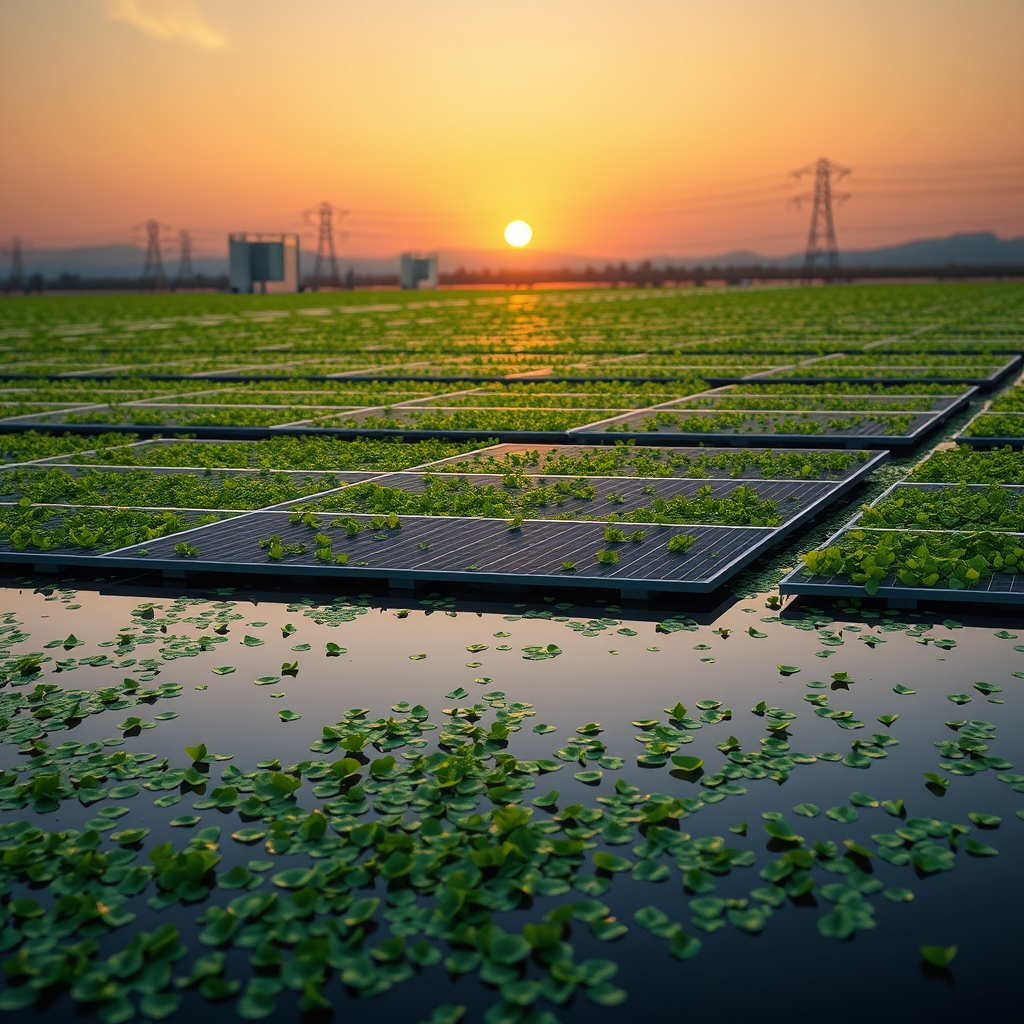
The horizon of renewable energy is no longer a distant dream but a vivid reality unfolding before our eyes. As the world grapples with the urgent need to transition away from fossil fuels, two technological frontiers—bioenergy and solar power—are converging in ways that promise to redefine the very essence of clean energy. This fusion is not merely an incremental step forward; it is a leap into a future where energy systems are as dynamic and resilient as the ecosystems they seek to protect.
The Alchemy of Light and Life
At the heart of this transformation lies the alchemy of harnessing both sunlight and biological processes to generate power. Solar technology, long celebrated for its ability to convert photons into electricity, is now being paired with bioenergy systems that leverage the natural efficiency of living organisms. Microalgae, for instance, are emerging as a powerhouse in this hybrid model. These microscopic plants, capable of photosynthesis, can be cultivated in bioreactors that double as solar collectors, creating a symbiotic relationship where sunlight fuels both electricity generation and biomass production.
The beauty of this approach lies in its dual output: while solar panels capture energy from the sun, the algae absorb carbon dioxide and produce biofuels or high-value biochemicals. This not only enhances the overall efficiency of the system but also addresses one of the most pressing challenges of solar energy—its intermittency. By integrating bioenergy storage solutions, such as converting algae biomass into biogas or biohydrogen, the system can provide a steady supply of energy even when the sun isn’t shining.
The Rise of Bio-Solar Farms
Imagine vast fields where solar panels stretch toward the sky, their surfaces not just gleaming with photovoltaic cells but also teeming with life. These bio-solar farms are no longer a figment of imagination but a tangible innovation being tested in pilot projects around the world. In Japan, for example, researchers have developed floating solar farms on reservoirs, where the water’s surface is used to cultivate algae. The panels provide shade, reducing evaporation and creating an ideal environment for algae growth, while the algae help cool the panels, improving their efficiency.
This model is particularly promising for regions with limited land resources. By utilizing water bodies, rooftops, or even vertical surfaces in urban areas, bio-solar farms can maximize energy production without competing for arable land. Moreover, the integration of artificial intelligence and IoT (Internet of Things) technologies allows for real-time monitoring and optimization of these systems, ensuring that both solar and bioenergy components operate at peak performance.
The Genetic Edge: Bioengineering for Efficiency
Bioengineering is playing a pivotal role in enhancing the efficiency of these hybrid systems. Through genetic modification, scientists are developing strains of algae and other microorganisms that can produce higher yields of biofuels or biochemicals. For instance, researchers have engineered cyanobacteria to directly secrete ethanol or hydrogen, bypassing the need for costly extraction processes. These advancements not only improve the economic viability of bioenergy but also reduce its environmental footprint.
In the realm of solar technology, bioengineering is also making waves. Scientists are exploring the use of photosynthetic proteins, such as bacteriorhodopsin, to create biohybrid solar cells. These proteins, derived from microorganisms, can convert light into electrical energy with remarkable efficiency. When integrated into solar panels, they offer a sustainable alternative to traditional silicon-based cells, which are energy-intensive to produce and often rely on rare or toxic materials.
The Promise of Smart Grid Integration
The true potential of bio-solar hybrids lies in their ability to integrate seamlessly with smart grid technology. Smart grids, equipped with advanced sensors and automation, can dynamically balance energy supply and demand, ensuring that the power generated by these hybrid systems is distributed efficiently. For example, during periods of low solar output, the grid can draw on bioenergy stored in the form of biogas or biohydrogen, while excess solar energy can be used to power the cultivation and processing of biomass.
This integration also enables greater participation from consumers, who can become prosumers—both producers and consumers of energy. With the advent of blockchain technology, peer-to-peer energy trading platforms are emerging, allowing individuals and communities to buy and sell excess energy directly. This not only democratizes energy production but also fosters a sense of collective responsibility toward sustainability.
The Path Forward: Challenges and Opportunities
Despite the immense promise of bio-solar hybrids, several challenges remain. Scaling up these technologies requires significant investment in research and infrastructure, as well as supportive policies that incentivize innovation. Additionally, public perception and regulatory frameworks must evolve to accommodate these novel systems, ensuring that they are both safe and sustainable.
Yet, the opportunities far outweigh the obstacles. As climate change accelerates, the need for resilient and adaptable energy solutions has never been more urgent. Bio-solar hybrids offer a pathway to not only reduce our carbon footprint but also create a more circular economy, where waste is minimized and resources are continually repurposed. They represent a harmonious blend of technology and nature, a testament to human ingenuity’s ability to work in tandem with the natural world rather than against it.
The journey toward a sustainable energy future is not a solitary one. It is a collective endeavor that requires collaboration across disciplines, industries, and borders. As bioenergy and solar technology continue to evolve, their convergence will undoubtedly unlock new possibilities, illuminating a path where clean, abundant, and equitable energy is not just a vision but a lived reality. The breath of renewal is already in the air, and with each innovation, we draw closer to a world where energy is not just consumed but celebrated as a force for life itself.


