The Future of Electronics: A Deep Dive into Sustainable Manufacturing
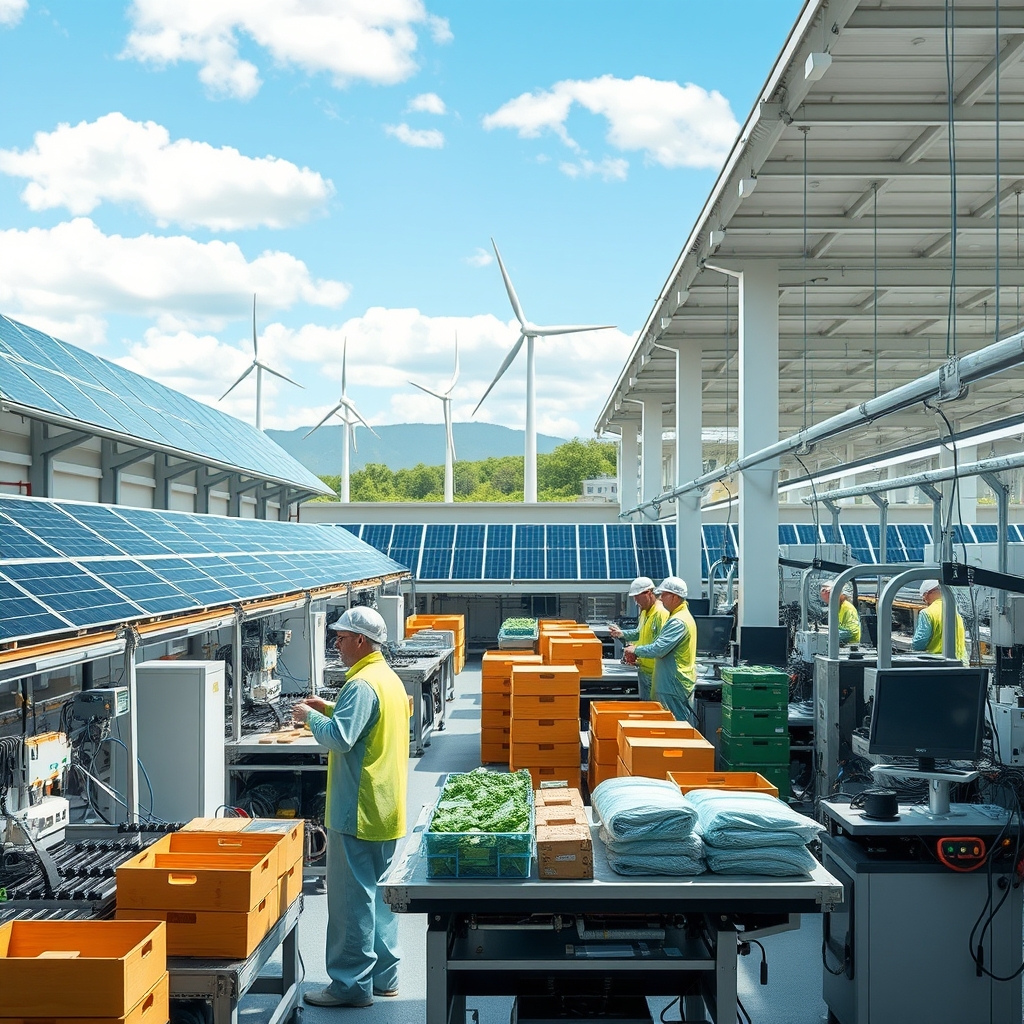
In the rapidly evolving world of electronics, the push towards sustainability is not just a trend but a necessity. As consumers become more environmentally conscious, manufacturers are increasingly adopting sustainable practices to meet demand and regulatory requirements. This article explores the key aspects of sustainable tech manufacturing, from circular design processes to ethical material sourcing, and how these practices are shaping the future of the industry.
Circular Design Processes
Circular design processes are at the heart of sustainable manufacturing. Unlike traditional linear models that focus on ‘take, make, dispose,’ circular design aims to keep products and materials in use for as long as possible. This involves designing products with longevity, repairability, and recyclability in mind. For instance, modular designs allow for easy component replacement, extending the lifespan of electronic devices.
Green Electronics Production
Green electronics production involves minimizing the environmental impact of manufacturing processes. This includes reducing energy consumption, water usage, and waste generation. Companies are increasingly adopting renewable energy sources like solar and wind power to reduce their carbon footprint. Additionally, the use of eco-friendly materials and non-toxic chemicals in production is becoming more prevalent.
Renewable Energy Integration
Integrating renewable energy into manufacturing operations is a significant step towards sustainability. Solar panels, wind turbines, and other renewable energy sources can power production facilities, reducing reliance on fossil fuels. This not only lowers greenhouse gas emissions but also provides long-term cost savings. Companies like Apple and Google have already made substantial investments in renewable energy, setting a benchmark for the industry.
Ethical Material Sourcing
Ethical material sourcing is crucial for ensuring that the raw materials used in electronics are obtained responsibly. This involves adhering to fair labor practices, environmental regulations, and human rights standards. Companies are increasingly transparent about their supply chains, providing detailed information on the origin of materials and the conditions under which they are extracted. This transparency builds trust with consumers and stakeholders.
Closed Loop Manufacturing
Closed loop manufacturing is a system where waste from one process is used as input for another, creating a continuous cycle. This approach minimizes waste and maximizes resource efficiency. For example, recycled plastics and metals can be used to produce new electronic components, reducing the need for virgin materials. Companies like Dell and HP have implemented closed loop systems, demonstrating the feasibility and benefits of this approach.
Life Cycle Assessment
Life cycle assessment (LCA) is a tool used to evaluate the environmental impact of a product throughout its entire life cycle, from raw material extraction to disposal. LCA helps identify areas where improvements can be made to reduce environmental impact. By conducting LCAs, companies can make informed decisions about material selection, production processes, and end-of-life management, ultimately leading to more sustainable products.
Innovations in Sustainable Tech
Innovations in sustainable tech are driving the industry forward. Bio-based tech materials, such as bioplastics and biodegradable components, are being developed to replace traditional materials. These materials are derived from renewable resources and have a lower environmental impact. Additionally, advancements in recyclable product architecture are making it easier to disassemble and recycle electronic devices, further reducing waste.
As the electronics industry continues to evolve, the adoption of sustainable practices is becoming increasingly important. From circular design processes to ethical material sourcing, companies are taking significant steps towards a more sustainable future. By integrating renewable energy, implementing closed loop manufacturing, and conducting life cycle assessments, the industry is moving towards a more environmentally friendly and socially responsible model. The future of electronics lies in the hands of those who are willing to innovate and prioritize sustainability, ensuring that technology can coexist harmoniously with the planet.