The Green Spark: How Low-Carbon Tech Prototyping is Illuminating the Path to Sustainable Manufacturing
The hum of machinery in a modern tech manufacturing facility is no longer just a symphony of productivity—it’s a testament to a quieter, greener revolution. As the world grapples with the urgency of climate change, the tech industry is stepping into the spotlight, not just as a consumer of resources, but as a pioneer of sustainable innovation. At the heart of this transformation lies low-carbon tech prototyping, a process that is redefining how products are conceived, designed, and brought to life with minimal environmental impact.
The Birth of a New Prototype
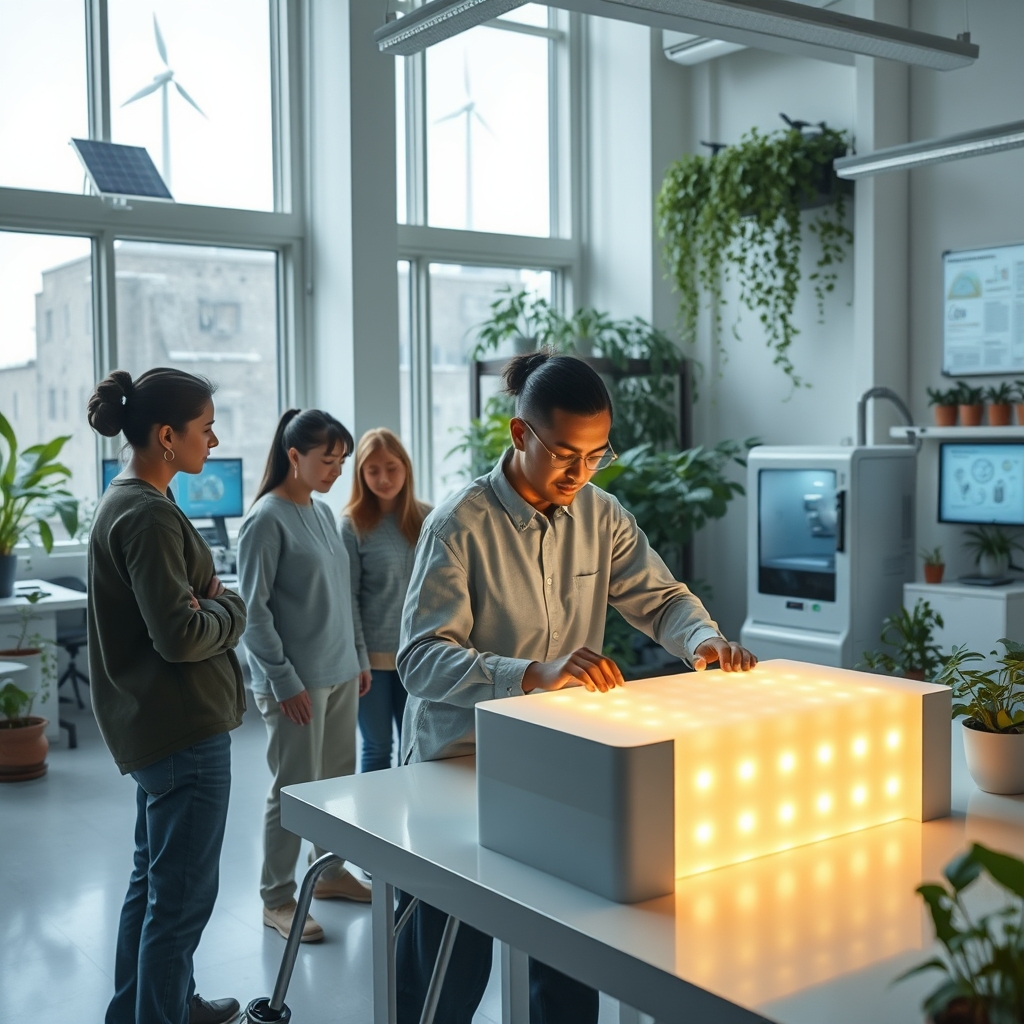
Imagine a workspace where the air is crisp, the energy is renewable, and every material is chosen with intention. This is the reality of low-carbon prototyping, where the traditional trial-and-error approach to product development is replaced by a meticulous, eco-conscious workflow. Engineers and designers collaborate in spaces powered by solar or wind energy, utilizing energy-optimized fabrication techniques that slash carbon footprints without compromising on innovation. The goal? To create prototypes that are not just functional, but fundamentally sustainable from the ground up.
One of the most striking examples of this shift is the use of additive manufacturing, or 3D printing, which has emerged as a game-changer in low-carbon prototyping. Unlike subtractive manufacturing, which carves away material and generates waste, additive manufacturing builds products layer by layer, using only the material necessary. This precision reduces waste by up to 90% in some cases, while also allowing for the use of bio-based tech materials like algae-derived polymers or mycelium composites. These materials are not only renewable but often biodegradable, offering a stark contrast to the petroleum-based plastics that have dominated the industry for decades.
The Role of Digital Twins in Sustainable Design
But low-carbon prototyping isn’t just about the physical materials—it’s also about the digital tools that shape them. Enter the concept of digital twins, virtual replicas of physical products that allow engineers to simulate and optimize designs before a single prototype is built. By testing iterations in a digital environment, companies can identify inefficiencies, reduce material usage, and even predict the environmental impact of a product across its entire lifecycle. This life cycle assessment approach ensures that sustainability is baked into the design process, rather than being an afterthought.
For instance, a company developing a new smartphone might use a digital twin to explore how different materials—such as recycled aluminum or plant-based plastics—affect the device’s durability, weight, and recyclability. The digital twin can also simulate the energy required for manufacturing, transportation, and eventual disposal, allowing designers to make data-driven decisions that minimize the product’s carbon footprint. This level of precision was unthinkable just a decade ago, but today, it’s becoming the gold standard for eco-conscious engineering.
The Circular Mindset: From Prototype to Product
Low-carbon prototyping doesn’t exist in a vacuum—it’s part of a broader shift toward circular design processes, where the end of one product’s life becomes the beginning of another. This mindset challenges the linear “take-make-waste” model that has long defined manufacturing, instead embracing a closed-loop system where materials are continuously reused, repaired, or recycled. The result? A dramatic reduction in waste and a new era of resource-efficient production.
Take the example of a laptop designed with circularity in mind. Instead of being glued together with non-recyclable adhesives, the device might feature modular components that can be easily disassembled and upgraded. The outer shell could be made from recycled ocean plastics, while the internal circuitry might incorporate ethically sourced materials like conflict-free minerals. Even the packaging could be designed to double as a protective case, eliminating the need for single-use materials. This approach not only reduces waste but also extends the product’s lifespan, ensuring that fewer resources are consumed over time.
The Power of Renewable Energy Integration
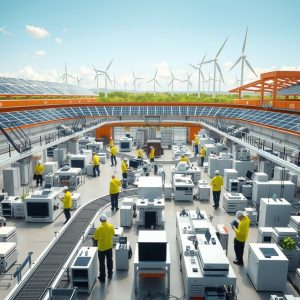
Of course, no discussion of low-carbon prototyping would be complete without addressing the role of renewable energy integration. Factories and labs that once relied on fossil fuels are now harnessing the power of the sun, wind, and even geothermal energy to fuel their operations. In some cases, companies are going a step further by implementing microgrids—localized energy systems that combine renewable sources with battery storage to ensure a steady, low-carbon power supply.
For example, a tech manufacturer in Scandinavia might power its prototyping lab with a combination of wind turbines and solar panels, storing excess energy in advanced battery systems for use during periods of low generation. This not only reduces the facility’s carbon footprint but also insulates it from the volatility of traditional energy markets. The result is a more resilient, sustainable production process that aligns with the principles of climate-positive manufacturing—where the goal is not just to reduce harm, but to actively benefit the environment.
The Human Element: Conscious Innovation Workflows
Behind every low-carbon prototype is a team of innovators who are rethinking not just what they create, but how they create it. Conscious innovation workflows are at the core of this shift, emphasizing collaboration, transparency, and a deep commitment to sustainability. These workflows often begin with cross-functional teams that include designers, engineers, sustainability experts, and even end-users, all working together to ensure that every decision aligns with environmental and ethical goals.
One of the most powerful tools in this process is transparent green supply chains, which allow companies to trace the origins of their materials and ensure they meet strict sustainability standards. For instance, a company sourcing cobalt for batteries might partner with suppliers who adhere to fair labor practices and use environmentally responsible mining techniques. By prioritizing transparency, companies can build trust with consumers and demonstrate their commitment to ethical and sustainable practices.
Moreover, conscious innovation workflows often incorporate waste reduction strategies that go beyond the factory floor. For example, companies might implement take-back programs where customers can return old products for recycling or refurbishment. They might also adopt minimalist tech design principles, stripping away unnecessary features to create products that are simpler, more durable, and easier to repair. This not only reduces waste but also fosters a culture of mindful consumption, where quality and longevity are valued over disposability.
As the tech industry continues to evolve, the principles of low-carbon prototyping are becoming less of an exception and more of a norm. What was once seen as a niche approach is now shaping the future of manufacturing, proving that sustainability and innovation are not mutually exclusive—but rather, two sides of the same coin. The prototypes being developed today are not just products; they are blueprints for a future where technology and nature coexist in harmony. And in that future, the spark of innovation burns brighter than ever, fueled by the promise of a greener, more sustainable world.