The Silent Surge: How Smart Energy Storage and AI Are Powering the Next Solar Revolution
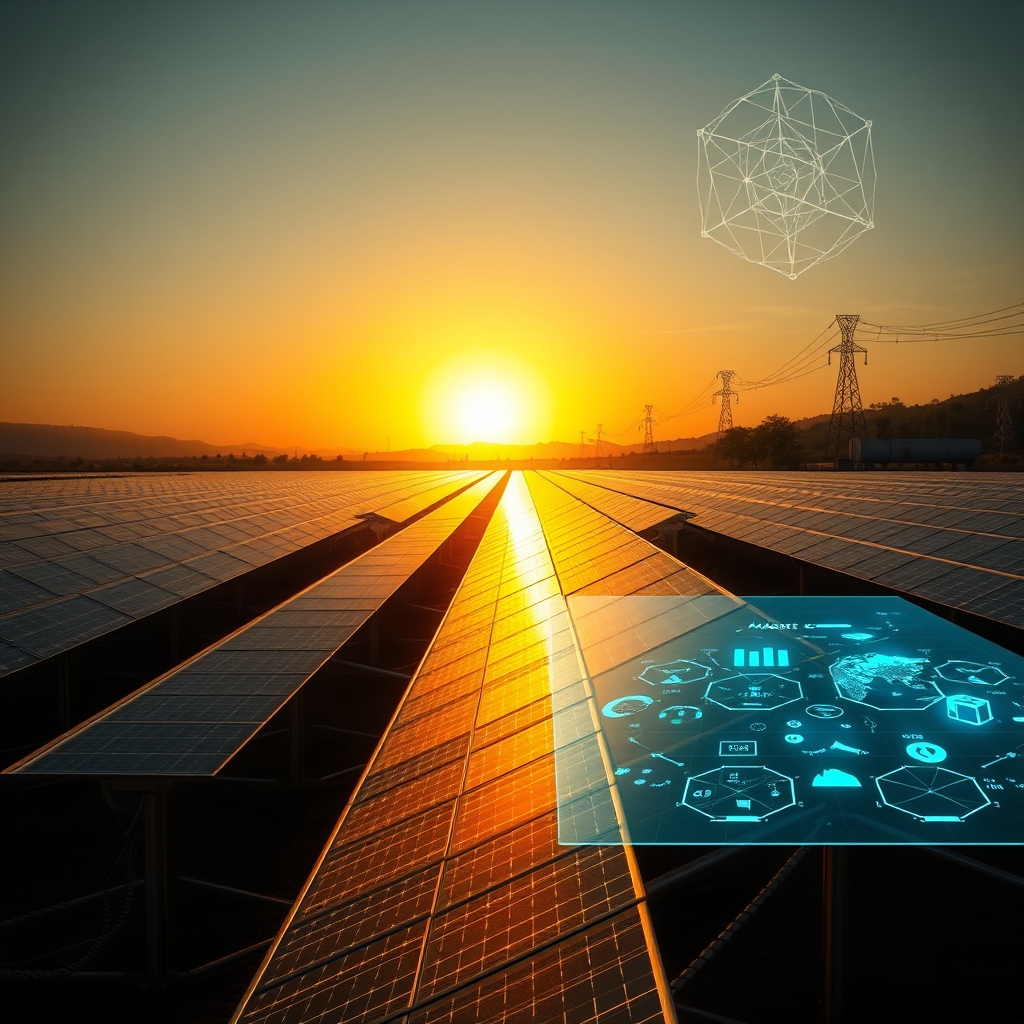
The golden age of solar energy is not just dawning—it is surging forward with a quiet, relentless momentum. Beneath the shimmering panels and vast solar farms lies a transformation that is as profound as it is unassuming. The real revolution is not in the capture of sunlight, but in what happens after: the storage, distribution, and intelligent management of that energy. This is where the next frontier of renewable technology is being forged, where artificial intelligence and advanced energy storage systems are converging to redefine the very essence of solar power.
The Storage Dilemma: Why Solar Needed a Revolution
For decades, solar energy faced a fundamental challenge: intermittency. The sun does not shine at night, and clouds can disrupt energy production in an instant. Traditional battery systems, while functional, were often inefficient, costly, and environmentally taxing. Lithium-ion batteries, the backbone of early energy storage, came with limitations—degradation over time, fire risks, and a reliance on rare earth minerals that raised ethical and ecological concerns. The solar industry needed a breakthrough, and it arrived not from a single innovation, but from a symphony of technological advancements working in harmony.
The Rise of AI-Driven Energy Management
At the heart of this transformation is artificial intelligence. AI is no longer just a tool for optimizing search engines or powering virtual assistants—it has become the invisible conductor of modern energy grids. Smart algorithms analyze weather patterns, energy consumption trends, and grid demands in real time, predicting when solar output will peak and when storage systems should kick in. These AI-driven systems can dynamically adjust energy distribution, ensuring that excess solar power is stored efficiently and released precisely when needed, whether it’s during a cloudy afternoon or a midnight surge in demand.
Companies like Tesla, with its Powerwall and Autobidder platforms, and startups such as Stem and Fluence, are leveraging AI to create self-optimizing energy networks. These systems don’t just store energy—they learn from it, adapting to the unique rhythms of households, businesses, and even entire cities. The result? A grid that is not just smarter, but self-healing, capable of rerouting power during outages and balancing supply and demand with unprecedented precision.
The Next Generation of Energy Storage: Beyond Lithium
While lithium-ion batteries remain a cornerstone of energy storage, the future belongs to a diverse array of technologies that promise greater efficiency, sustainability, and scalability. One of the most promising is flow battery technology, which stores energy in liquid electrolytes rather than solid materials. Unlike traditional batteries, flow batteries can be scaled up simply by increasing the size of their electrolyte tanks, making them ideal for large-scale solar farms and grid storage. Companies like ESS Inc. and Redflow are pioneering this space, offering solutions that can store energy for hours—or even days—without degradation.
Another game-changer is the development of solid-state batteries, which replace the liquid or gel electrolytes in conventional batteries with solid materials. These batteries are safer, more energy-dense, and longer-lasting, making them a perfect match for solar energy systems. QuantumScape and Solid Power are among the leaders in this field, racing to bring solid-state batteries to market at scale. Meanwhile, researchers are exploring even more exotic solutions, such as metal-air batteries, which use oxygen from the air to generate electricity, and sodium-ion batteries, which offer a cheaper, more abundant alternative to lithium.
The Role of Bioengineering in Energy Storage
Biotechnology is also making its mark on the energy storage revolution. Scientists are exploring bioengineered materials that can mimic the energy storage capabilities of living organisms. For example, researchers at MIT and Harvard have developed bio-inspired batteries that use quinones—organic compounds found in plants—to store energy. These batteries are not only more sustainable but also capable of rapid charging and discharging, making them ideal for solar applications.
Another exciting frontier is the use of genetically engineered microorganisms to produce and store energy. Companies like LanzaTech are harnessing the power of bacteria to convert waste gases into biofuels, while others are exploring how algae and cyanobacteria can be engineered to produce hydrogen or even electricity directly. These biohybrid systems could one day integrate seamlessly with solar farms, creating a closed-loop energy ecosystem that is both renewable and self-sustaining.
The Smart Grid: The Backbone of the Solar Revolution
No discussion of solar energy’s future would be complete without addressing the smart grid—the digital nervous system that connects energy producers, storage systems, and consumers. Smart grids use advanced sensors, IoT devices, and AI to monitor and manage energy flow in real time, reducing waste and improving efficiency. They enable peer-to-peer energy trading, where homeowners with solar panels can sell excess power to their neighbors, and they facilitate the integration of distributed energy resources, such as rooftop solar and community batteries.
Countries like Germany and Australia are leading the way in smart grid adoption, with projects that demonstrate the potential of decentralized energy systems. In the U.S., initiatives like the Department of Energy’s Grid Modernization Initiative are paving the way for a more resilient, flexible, and sustainable energy infrastructure. As smart grids become more widespread, they will unlock new possibilities for solar energy, making it more accessible, reliable, and affordable than ever before.
The Human Element: How Communities Are Embracing the Solar Shift
Technology alone cannot drive the solar revolution—it requires the buy-in of communities, businesses, and policymakers. Across the globe, cities and towns are embracing solar energy not just as a power source, but as a catalyst for economic and social change. In India, the government’s ambitious solar parks are bringing electricity to remote villages, while in Africa, off-grid solar solutions are transforming lives by providing clean, reliable power to millions. In the U.S. and Europe, community solar projects are allowing residents to invest in shared solar farms, democratizing access to renewable energy.
Businesses, too, are recognizing the value of solar energy. Companies like Google, Apple, and Amazon have committed to powering their operations with 100% renewable energy, and they are investing heavily in energy storage and smart grid technologies to make that goal a reality. These corporate leaders are not just reducing their carbon footprints—they are driving innovation, creating jobs, and setting a new standard for sustainability in the private sector.
The solar revolution is no longer a distant dream—it is here, unfolding in real time. The convergence of AI, advanced energy storage, and smart grid technology is not just making solar power more efficient; it is making it smarter, more resilient, and more accessible than ever before. As these technologies continue to evolve, they will redefine our relationship with energy, transforming it from a commodity into a dynamic, living system that adapts to our needs and sustains our planet. The future of solar is not just about capturing the sun’s rays—it is about harnessing the full potential of human ingenuity to create a cleaner, brighter world for generations to come.