
The Solar-Bio Nexus: How Synthetic Biology and Photovoltaics Are Crafting the Next Era of Self-Sustaining Energy Ecosystems
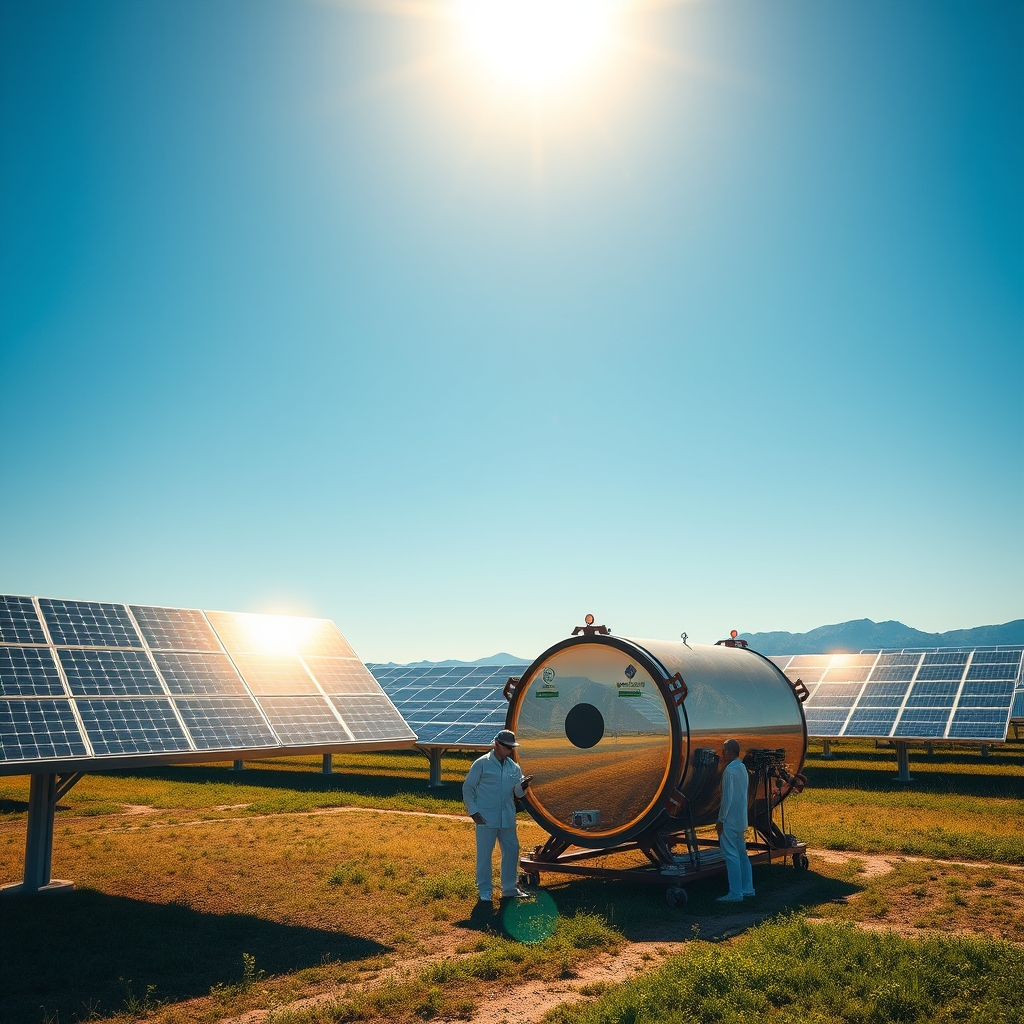
The sun, a boundless source of energy, has always been a beacon of hope for humanity’s quest for sustainable power. In recent years, the convergence of synthetic biology and photovoltaics has sparked a revolution, paving the way for self-sustaining energy ecosystems. This article delves into the fascinating world of solar-bio nexus, exploring how these two fields are intertwining to create a cleaner, greener future.
The Sun’s Promise
Solar energy, harnessed through photovoltaic (PV) systems, has emerged as a cornerstone of the renewable energy landscape. However, the intermittent nature of sunlight poses a significant challenge. This is where synthetic biology steps in, offering a promising solution to store and convert solar energy efficiently.
Synthetic Biology: The Alchemist’s Toolkit
Synthetic biology, a discipline that combines principles from biology, engineering, and computer science, enables the design and construction of new biological parts, devices, and systems. In the context of solar energy, synthetic biology offers a suite of tools to enhance energy storage and conversion.
Photovoltaics: Capturing the Sun’s Energy
Photovoltaic systems, commonly known as solar panels, convert sunlight into electricity using semiconducting materials. While traditional PV systems have made significant strides, they still face limitations in terms of efficiency and energy storage. This is where synthetic biology comes into play, offering innovative solutions to these challenges.
The Solar-Bio Nexus: A Symbiotic Relationship
The solar-bio nexus is a symbiotic relationship between synthetic biology and photovoltaics, where each field complements the other to create a self-sustaining energy ecosystem. Let’s explore some of the key areas where this convergence is making waves.
Bio-Photovoltaics: Merging Biology and Solar Technology
Bio-photovoltaics is an emerging field that combines the principles of biology and solar technology. Researchers are exploring the use of biological materials, such as photosynthetic bacteria and algae, to enhance the efficiency of PV systems. These organisms can capture and convert sunlight into chemical energy, which can then be used to generate electricity.
Bio-Catalyzed Energy Storage: The Future of Solar Power
Energy storage is a critical aspect of any renewable energy system. Synthetic biology offers a promising solution in the form of bio-catalyzed energy storage. Researchers are engineering enzymes and microorganisms to store and release energy on demand. This approach not only enhances the efficiency of energy storage but also reduces the environmental impact of traditional battery technologies.
Bioengineered Materials: Enhancing Solar Panel Performance
Synthetic biology is also being used to develop bioengineered materials that can enhance the performance of solar panels. These materials can self-repair, adapt to changing environmental conditions, and even change color to optimize energy absorption. By incorporating these bioengineered materials into PV systems, researchers are paving the way for more efficient, durable, and sustainable solar panels.
The Path Forward
As we stand on the brink of a new era in renewable energy, the solar-bio nexus offers a glimpse into a future where synthetic biology and photovoltaics coexist harmoniously. By harnessing the power of the sun and the potential of biological systems, we can create self-sustaining energy ecosystems that not only meet our current energy needs but also lay the foundation for a sustainable future. The journey has just begun, and the possibilities are as boundless as the sun itself.