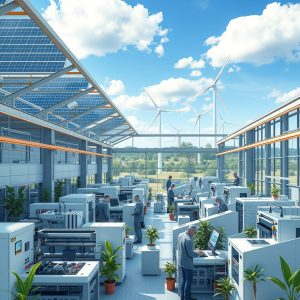
The Solar Enzyme Nexus: How Bio-Catalyzed Energy Storage is Revolutionizing the Future of Renewable Power
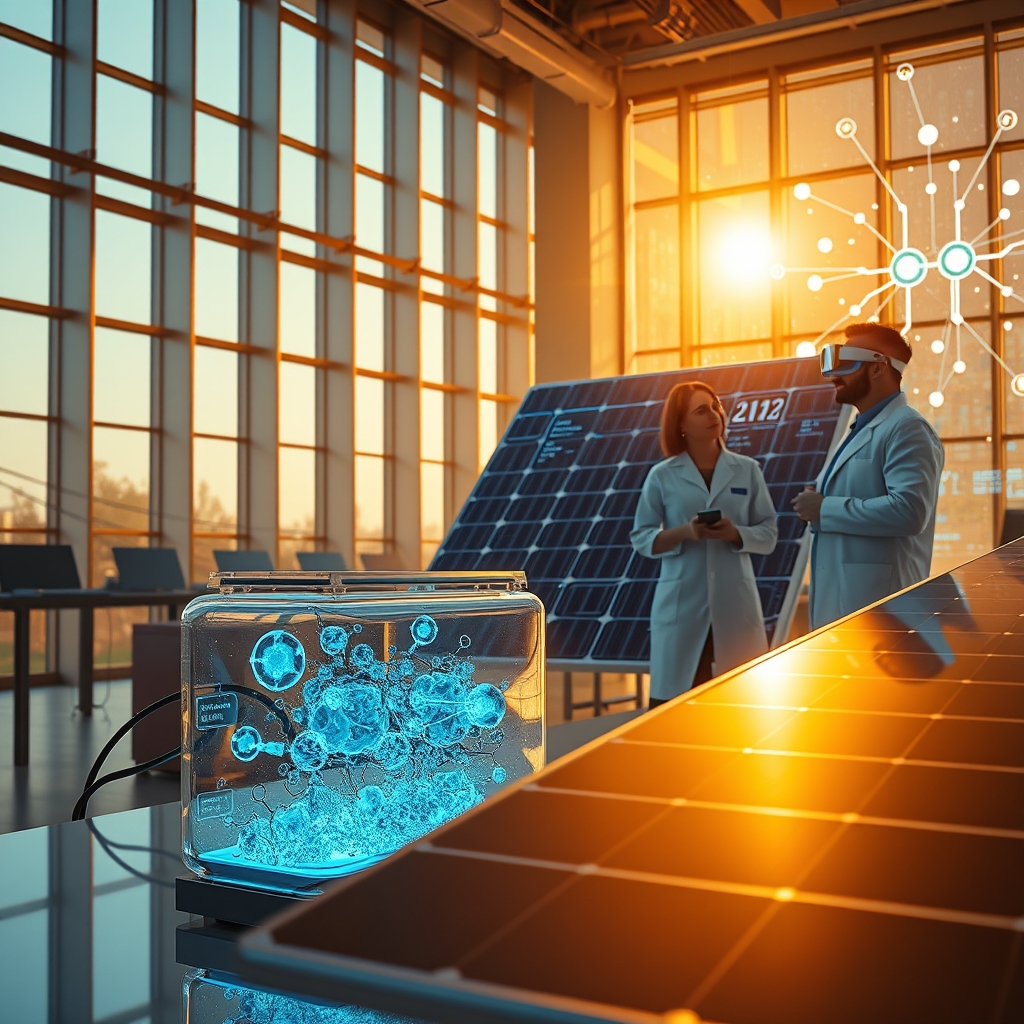
The golden age of renewable energy is not merely on the horizon—it is being meticulously engineered in laboratories where biology and technology converge. At the heart of this transformation lies an unlikely alliance: solar energy and enzymatic bio-catalysis. Together, they are forging a new paradigm in energy storage, one that promises to overcome the most persistent limitations of conventional solar power systems. This is not just an evolution; it is a revolution, where the precision of biochemistry meets the scalability of photovoltaics, creating a synergy that could redefine how we capture, store, and utilize the sun’s boundless energy.
The Enzymatic Edge: Nature’s Catalysts in the Solar Revolution
Enzymes, the biological catalysts that drive every metabolic process in living organisms, have long been the unsung heroes of efficiency. In the context of solar energy, their role is nothing short of transformative. Traditional energy storage systems, such as lithium-ion batteries, rely on chemical reactions that are often slow, energy-intensive, and environmentally taxing. Enzymes, however, operate with unparalleled specificity and speed, accelerating reactions under mild conditions while producing minimal waste. By integrating these biological powerhouses into solar energy systems, researchers are unlocking storage solutions that are not only more efficient but also inherently sustainable.
One of the most promising applications of enzymatic bio-catalysis in solar energy lies in the development of bio-batteries. These systems leverage enzymes to facilitate redox reactions, converting solar energy into chemical energy with remarkable efficiency. Unlike conventional batteries, which degrade over time and require rare, often toxic materials, bio-batteries can be designed using abundant, biodegradable compounds. The result is a storage solution that is not only cleaner but also more adaptable to the fluctuating demands of renewable energy grids.
The Solar-Enzyme Feedback Loop: A Self-Sustaining Energy Ecosystem
The integration of enzymes into solar energy systems is not a one-way street. Just as enzymes enhance the efficiency of energy storage, solar power can, in turn, optimize enzymatic processes. For instance, solar-driven electrolysis can generate hydrogen, a clean fuel that enzymes can further process into storable energy forms. This creates a closed-loop system where solar energy and bio-catalysis feed into one another, amplifying their collective potential. Imagine a future where solar farms are not just passive collectors of sunlight but active participants in a dynamic, self-sustaining energy ecosystem, where every photon captured is maximized through the precision of biological engineering.
This feedback loop is particularly compelling in the context of decentralized energy systems. Smart grids, equipped with enzymatic energy storage, could dynamically balance supply and demand, storing excess solar energy during peak production hours and releasing it when the sun sets. The implications for grid stability and energy independence are profound, offering a path toward a future where communities are no longer at the mercy of centralized power structures but are instead empowered by localized, resilient energy networks.
Beyond Efficiency: The Environmental and Economic Imperatives
The environmental benefits of enzymatic energy storage extend far beyond reduced waste and toxicity. By leveraging biological processes, these systems can operate at ambient temperatures and pressures, drastically reducing the energy input required for storage. This not only lowers the carbon footprint of solar energy but also makes it more accessible in regions where traditional battery technologies are prohibitively expensive or impractical. In developing nations, where energy poverty remains a critical challenge, enzymatic bio-batteries could provide a lifeline, enabling off-grid communities to harness solar power without the need for costly infrastructure.
Economically, the scalability of enzymatic energy storage presents a compelling case for widespread adoption. Enzymes can be produced through fermentation processes, which are both cost-effective and scalable. As biotechnology advances, the production of tailored enzymes for specific energy storage applications is becoming increasingly feasible, driving down costs and accelerating innovation. Moreover, the modular nature of bio-batteries allows for incremental deployment, making them an attractive option for both large-scale solar farms and small-scale residential systems.
The Challenges Ahead: Navigating the Path to Commercialization
Despite their immense potential, enzymatic energy storage systems are not without challenges. One of the primary hurdles is the stability and longevity of enzymes in industrial settings. While enzymes are highly efficient, they are also sensitive to environmental conditions such as temperature, pH, and mechanical stress. Researchers are addressing these challenges through advances in enzyme immobilization, where enzymes are anchored to solid supports to enhance their durability and reusability. Additionally, genetic engineering is being employed to design enzymes that are more robust and resistant to degradation, further extending their operational lifespan.
Another critical challenge is the integration of enzymatic systems with existing solar infrastructure. Unlike conventional batteries, which can be easily swapped into existing systems, bio-batteries require specialized interfaces to connect with solar panels and grids. This necessitates collaboration between biotechnologists, electrical engineers, and renewable energy experts to develop standardized solutions that can be seamlessly integrated into the broader energy ecosystem. The good news is that the rapid pace of innovation in both biotechnology and solar energy suggests that these challenges are not insurmountable but rather stepping stones on the path to a cleaner, more sustainable future.
The Ethical Dimension: Balancing Innovation with Responsibility
As with any emerging technology, the development of enzymatic energy storage must be guided by ethical considerations. The use of genetically modified enzymes, for instance, raises questions about biosafety and environmental impact. While the potential benefits are vast, it is essential to ensure that these innovations do not inadvertently disrupt ecosystems or pose risks to human health. Rigorous testing, transparent regulatory frameworks, and public engagement are critical to building trust and ensuring that the deployment of enzymatic energy storage systems is both safe and equitable.
Furthermore, the economic implications of this technology must be carefully managed to prevent exacerbating existing inequalities. The transition to renewable energy should not be a privilege reserved for wealthy nations or corporations but a global opportunity to create a more just and sustainable world. Policymakers, industry leaders, and researchers must work together to ensure that the benefits of enzymatic energy storage are accessible to all, particularly in regions that stand to gain the most from decentralized, off-grid energy solutions.
The fusion of solar energy and enzymatic bio-catalysis is more than a technological breakthrough—it is a testament to humanity’s ability to harness the wisdom of nature in pursuit of a sustainable future. As these systems evolve, they will not only redefine the efficiency and scalability of renewable energy but also inspire a new generation of innovators to explore the untapped potential at the intersection of biology and technology. The sun has always been the ultimate source of life on Earth; now, with the help of enzymes, it may well become the cornerstone of a cleaner, brighter, and more resilient world for generations to come.