
The Ocean’s Whisper: Unlocking the Future of Offshore Wind Energy and Battery Storage Synergy
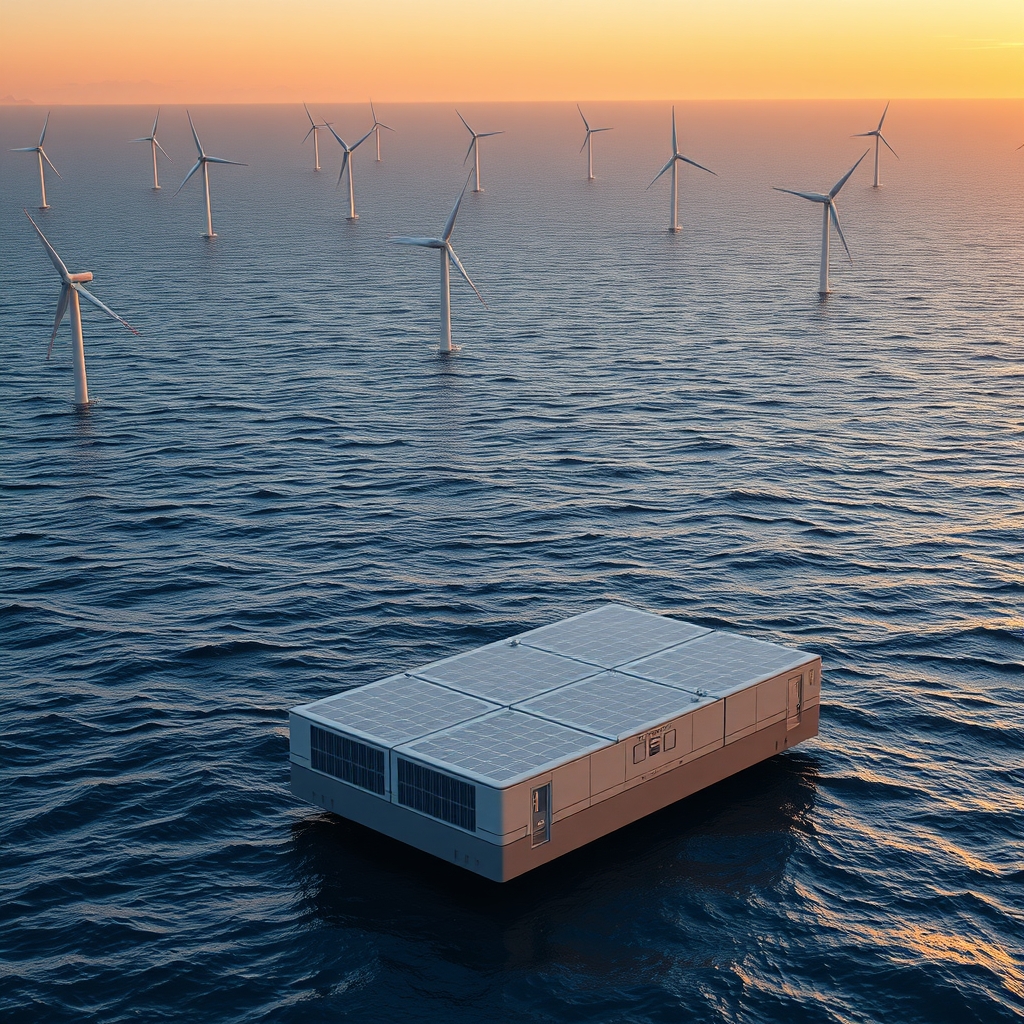
The salty breeze carries more than just the scent of the sea—it whispers the promise of a revolution. Offshore wind energy, once a niche player in the renewable energy landscape, has surged to the forefront of the global transition toward sustainability. Towering turbines, anchored far from shore, harness the relentless power of ocean winds, converting it into clean electricity that could one day power entire continents. Yet, as with all great innovations, the journey is not without its challenges. The intermittent nature of wind, the harsh marine environment, and the complexities of grid integration demand solutions as dynamic as the forces they seek to tame. Enter the silent partner in this dance: battery energy storage, a technology evolving at a pace that matches the ambition of offshore wind itself.
The Winds of Change: Offshore Wind’s Meteoric Rise
Offshore wind farms are no longer the underdogs of renewable energy. In the past decade, they have grown from experimental projects to colossal installations capable of generating gigawatts of power. The North Sea, once a hub of oil and gas exploration, is now home to some of the world’s largest offshore wind farms, with countries like the UK, Germany, and Denmark leading the charge. The appeal is undeniable: offshore winds are stronger and more consistent than their onshore counterparts, and the vast expanse of the ocean offers ample space for expansion without the land-use conflicts that often plague solar and onshore wind projects.
But the ocean is not a forgiving partner. The same forces that make offshore wind so potent—storms, saltwater corrosion, and the sheer logistical challenge of maintaining turbines hundreds of miles from shore—also pose significant hurdles. The industry has responded with innovation, developing floating wind turbines that can operate in deeper waters, where winds are even more powerful. These floating giants, tethered to the seabed by mooring lines, open up new frontiers, particularly in regions like the Mediterranean, the U.S. West Coast, and parts of Asia, where shallow waters are scarce.
The Achilles’ Heel: Intermittency and the Need for Storage
For all its potential, offshore wind energy shares a fundamental limitation with other renewables: intermittency. The wind does not always blow when demand is high, and without a way to store excess energy, much of its potential is lost. This is where battery energy storage systems (BESS) step in, offering a way to capture the energy generated during peak production and release it when the winds die down. Lithium-ion batteries, the current frontrunners in energy storage, have made significant strides in efficiency and cost reduction, but they are not without their own challenges. Their limited lifespan, fire risks, and reliance on rare materials like cobalt and lithium have spurred a search for alternatives.
Emerging technologies, such as sodium-ion batteries and solid-state batteries, promise to address these issues. Sodium-ion batteries, for instance, use abundant and inexpensive materials, making them a more sustainable option. Meanwhile, solid-state batteries, with their higher energy density and improved safety, could revolutionize storage by enabling longer durations and faster charging times. These innovations are not just theoretical—they are being tested in real-world applications, from grid-scale storage projects to microgrids that integrate offshore wind with other renewable sources.
Grid Integration: The Invisible Backbone of Offshore Wind
Harnessing the power of offshore wind is only half the battle. The other half lies in seamlessly integrating this energy into the grid, a task that requires a delicate balance of supply and demand. Smart grid management systems, powered by artificial intelligence, are playing a crucial role in this effort. These systems use real-time data to predict wind patterns, optimize energy distribution, and balance the grid, ensuring that the electricity generated offshore reaches homes and businesses without disruption.
One of the most promising developments in this space is the concept of virtual power plants (VPPs). By aggregating distributed energy resources—such as offshore wind farms, solar arrays, and battery storage systems—VPPs create a flexible and resilient energy network. This decentralized approach not only enhances grid stability but also empowers consumers to become active participants in the energy market, selling excess power back to the grid or storing it for later use. The result is a more dynamic and responsive energy system, capable of adapting to the ever-changing demands of modern society.
The Role of Long-Duration Storage in a Renewable Future
While lithium-ion batteries excel at short-duration storage, the future of offshore wind may depend on long-duration energy storage (LDES) solutions. These technologies, which can store energy for hours, days, or even weeks, are essential for managing the seasonal variability of wind energy. Innovations like flow batteries, compressed air energy storage (CAES), and green hydrogen are gaining traction as potential solutions. Green hydrogen, in particular, offers a compelling vision: excess offshore wind energy can be used to produce hydrogen through electrolysis, which can then be stored and converted back into electricity when needed. This not only provides a way to store energy for long periods but also opens up new possibilities for decarbonizing industries like shipping and aviation, where direct electrification is not feasible.
Floating Solar and Offshore Wind: A Match Made in the Deep
The synergy between offshore wind and other renewable technologies is not limited to storage. Floating solar arrays, for example, are being explored as a complementary solution to offshore wind farms. By installing solar panels on floating platforms, developers can maximize the use of ocean space, generating power from both the sun and the wind. This hybrid approach not only increases energy output but also improves the economic viability of offshore projects by diversifying their revenue streams. Agrivoltaics, a land-based cousin of floating solar, is also gaining attention, demonstrating how renewable energy can coexist with agriculture to create dual-use landscapes that benefit both food production and energy generation.
The Path Forward: Challenges and Opportunities
The road to a future powered by offshore wind and battery storage is not without its obstacles. Regulatory hurdles, high upfront costs, and the need for significant infrastructure investments remain significant barriers. However, the momentum is undeniable. Governments around the world are setting ambitious targets for offshore wind capacity, with the European Union aiming for 60 GW by 2030 and the U.S. targeting 30 GW by the same year. Meanwhile, advancements in battery technology and grid management are making it increasingly feasible to integrate these vast amounts of renewable energy into the grid.
As the industry matures, collaboration will be key. Developers, policymakers, and researchers must work together to address the technical, environmental, and social challenges of offshore wind. This includes minimizing the impact on marine ecosystems, ensuring that local communities benefit from these projects, and investing in the workforce needed to build and maintain these complex systems. The potential rewards—cleaner air, energy independence, and economic growth—are well worth the effort.
The ocean’s whisper is growing louder, carried on the winds of change. Offshore wind energy, once a distant dream, is now a tangible reality, and its partnership with battery storage is poised to redefine the energy landscape. The challenges are real, but so too are the opportunities. As we stand on the brink of this new era, one thing is clear: the future of energy is not just about harnessing the power of the wind and the sun—it’s about storing that power, integrating it, and using it to build a world that is cleaner, more resilient, and more sustainable for generations to come. The waves of innovation are already in motion, and the tide is turning toward a brighter, greener future.


