The Pulse of Progress: How Smart Grid Management and Distributed Energy Resources Are Electrifying the Future
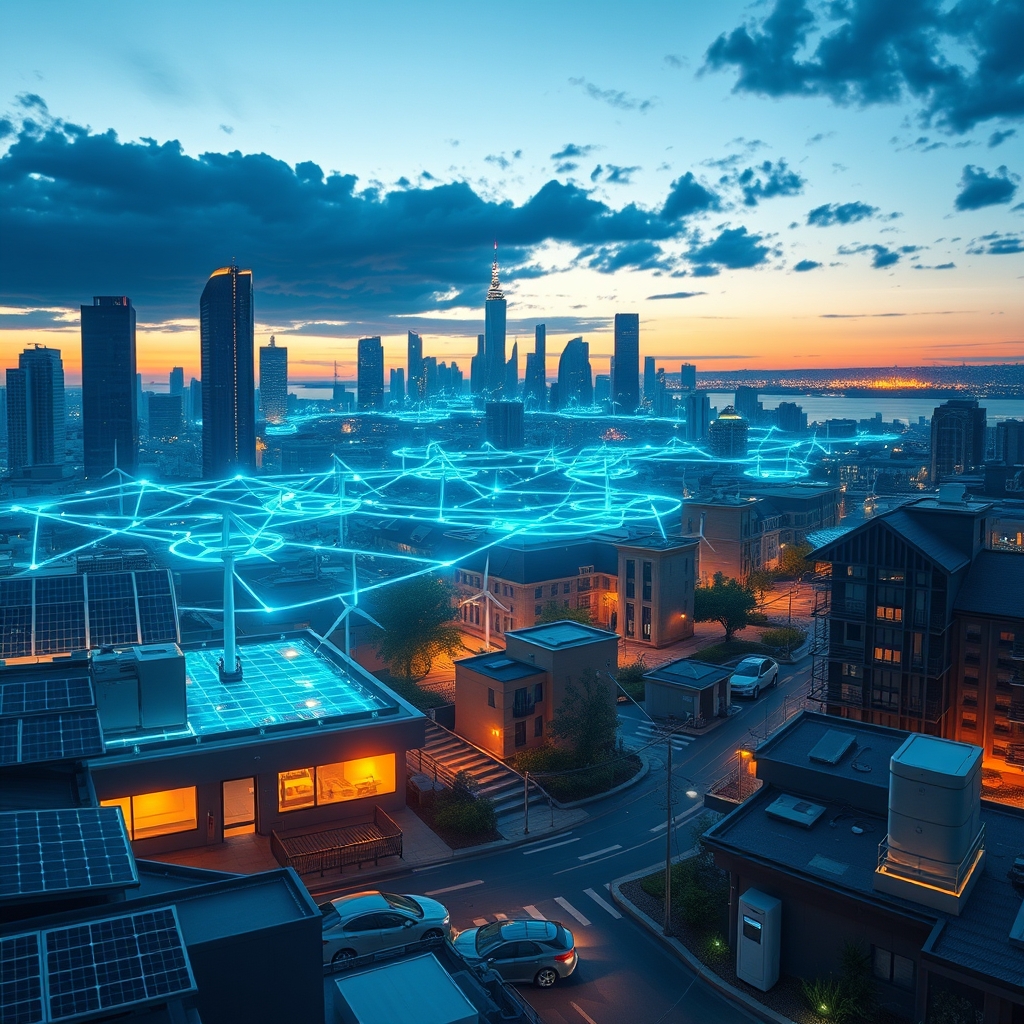
The hum of electricity coursing through power lines has long been the heartbeat of modern civilization, a silent force propelling industries, homes, and technologies into the future. Yet, as the world stands on the precipice of an energy revolution, the traditional grid—a relic of the 20th century—finds itself straining under the weight of new demands. The rise of renewable energy sources, the electrification of transportation, and the growing appetite for energy resilience are reshaping the landscape. At the heart of this transformation lies a dynamic duo: smart grid management and distributed energy resources (DERs), two innovations that are not just complementing the grid but redefining its very essence.
The Grid’s Evolution: From Static to Sentient
For decades, the electrical grid operated as a one-way street, with power flowing from centralized generation plants to consumers in a predictable, linear fashion. This model, while effective for its time, is ill-equipped to handle the complexities of today’s energy ecosystem. Enter smart grid management—a paradigm shift that infuses the grid with intelligence, adaptability, and real-time responsiveness. By leveraging advanced sensors, IoT devices, and artificial intelligence, smart grids monitor, analyze, and optimize energy flow with unprecedented precision. They detect outages before they occur, balance supply and demand in milliseconds, and seamlessly integrate intermittent renewable sources like solar photovoltaics and offshore wind energy.
The magic of smart grids lies in their ability to turn data into action. Imagine a grid that not only knows when a solar farm’s output will dip due to cloud cover but also automatically compensates by drawing from a nearby battery energy storage system or adjusting the output of a gas peaker plant. This level of orchestration is no longer the stuff of science fiction; it’s happening today in cities like Copenhagen, where smart grids are reducing energy waste by up to 30% while maintaining a 99.99% reliability rate. The grid is no longer a passive conduit but a living, breathing entity that evolves with the needs of the moment.
Distributed Energy Resources: The Grid’s New Building Blocks
If smart grid management is the brain of the modern energy system, distributed energy resources are its beating heart. DERs encompass a diverse array of technologies—rooftop solar panels, small-scale wind turbines, battery storage units, electric vehicle chargers, and even microgrids—that generate or store energy at or near the point of consumption. Unlike traditional power plants, which are often located far from demand centers, DERs decentralize energy production, reducing transmission losses and enhancing resilience.
Consider the rise of microgrid autonomy, where communities, campuses, or even entire neighborhoods operate their own localized energy networks. During Hurricane Maria, Puerto Rico’s fragile grid collapsed, leaving millions without power for months. In contrast, a microgrid in the town of Adjuntas, powered by solar photovoltaics and battery storage, kept the lights on for critical facilities like hospitals and emergency shelters. This is the power of DERs: they don’t just supplement the grid; they make it stronger, more flexible, and less vulnerable to disruption.
DERs also empower consumers to become prosumers—individuals who both produce and consume energy. With the advent of decentralized energy markets, homeowners with solar panels can sell excess energy back to the grid or to their neighbors, creating a peer-to-peer energy economy. Platforms like Brooklyn’s LO3 Energy have demonstrated how blockchain technology can facilitate these transactions, turning energy into a tradable commodity that flows as freely as information on the internet.
The Symbiosis of Smart Grids and DERs
The true potential of smart grid management and DERs is unlocked when they work in tandem. Smart grids provide the infrastructure and intelligence to manage the variability of DERs, while DERs supply the grid with the flexibility and resilience it needs to thrive in an era of climate uncertainty. For example, during periods of low demand, excess energy from rooftop solar can be stored in sodium-ion batteries or used to produce green hydrogen, which can later be converted back into electricity or used as a clean fuel for industry and transportation.
This synergy is already taking shape in places like Australia, where the Hornsdale Power Reserve—a massive battery energy storage system—has stabilized the grid by absorbing excess solar and wind energy and releasing it during peak demand. Similarly, in Germany, virtual power plants (VPPs) aggregate thousands of DERs into a single, controllable entity, allowing grid operators to dispatch power with the precision of a traditional power plant but with far greater agility.
Overcoming the Challenges: The Road Ahead
Despite their promise, the widespread adoption of smart grids and DERs is not without hurdles. Regulatory frameworks, designed for a bygone era of centralized power, often lag behind technological advancements. Interoperability between different DERs and grid management systems remains a challenge, as does ensuring cybersecurity in an increasingly connected energy landscape. Moreover, the upfront costs of deploying smart grid infrastructure and DERs can be prohibitive for cash-strapped utilities or developing nations.
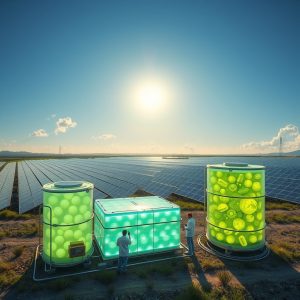
Yet, the momentum is undeniable. Governments and private enterprises are pouring billions into research and deployment, driven by the dual imperatives of climate action and energy security. Innovations like energy efficiency AI are making buildings smarter, reducing waste by optimizing heating, cooling, and lighting in real time. Meanwhile, advancements in long-duration storage, such as flow batteries and compressed air energy storage, are addressing the intermittency issues that have long plagued renewables.
A Glimpse into the Future
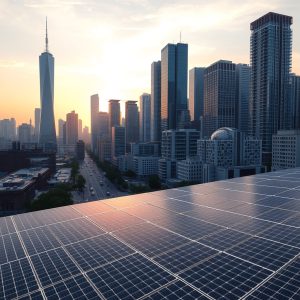
Picture a world where every home, business, and vehicle is a node in a vast, intelligent energy network. Rooftops bristle with solar panels, electric cars double as mobile storage units, and AI-driven algorithms predict and meet demand before it arises. This is not a distant utopia but an emerging reality, one where the grid is no longer a monolith but a mosaic of interconnected, self-sustaining systems. The transition will not happen overnight, but the pieces are falling into place, driven by necessity and fueled by innovation.
The energy landscape of the 21st century is being rewritten, not by a single breakthrough, but by the convergence of countless technologies, each playing a part in a grander symphony. Smart grid management and distributed energy resources are the conductors of this orchestra, harmonizing the chaos of renewable energy into a melody of resilience, efficiency, and sustainability. As the grid becomes smarter and more decentralized, it will not only power our homes and industries but also empower communities, democratize energy, and pave the way for a future where clean, reliable power is a right, not a privilege. The pulse of progress is quickening, and with each beat, the future grows brighter.