The Silent Revolution: How Next-Gen Energy Technologies Are Reshaping Our World
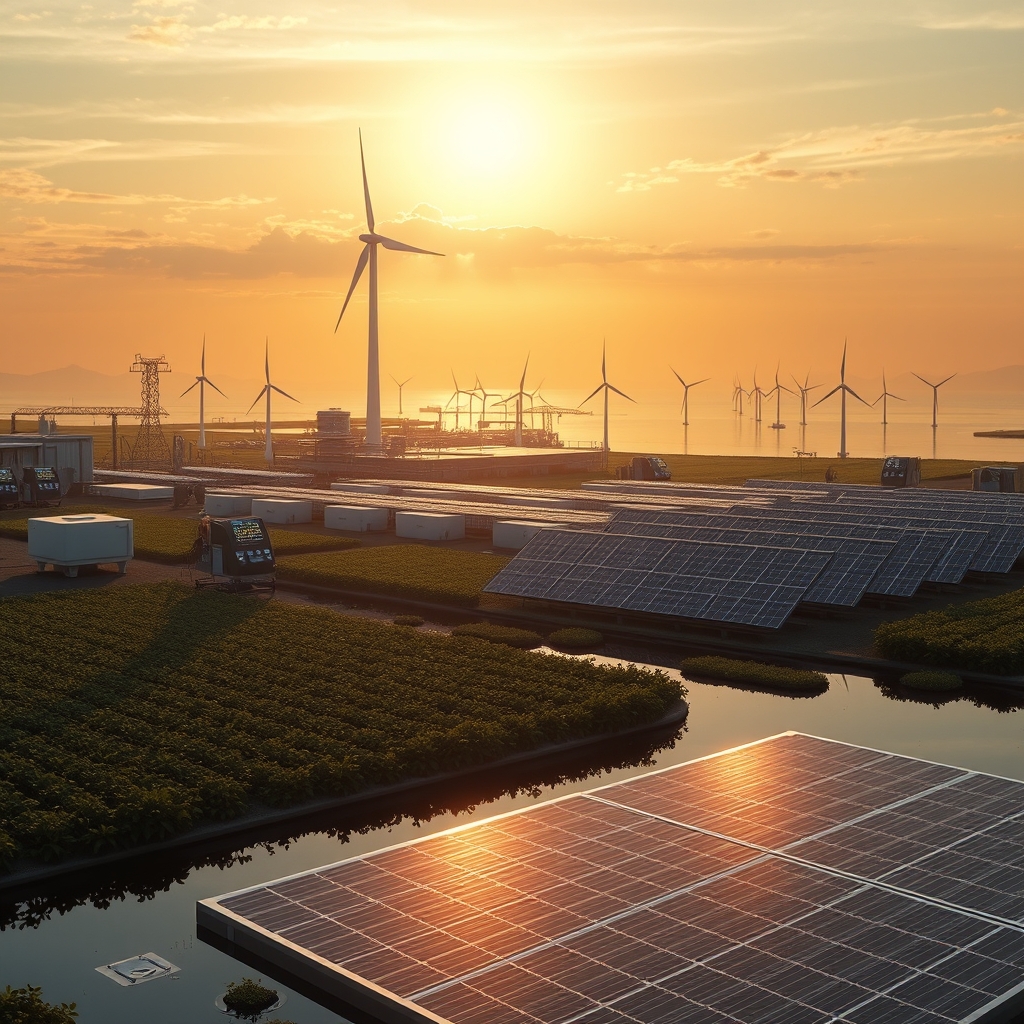
The hum of progress is often quiet, a whisper of change carried on the wind before it crescendos into a roar. In the realm of energy, that transformation is underway, not with the fanfare of a single breakthrough, but through the steady, relentless march of innovation across multiple fronts. From the sun-drenched expanses of solar farms to the hidden depths where geothermal heat simmers, a new energy paradigm is emerging—one that promises not just sustainability, but resilience, efficiency, and a radical reimagining of how power flows through our lives.
The Solar Renaissance: Beyond the Panel
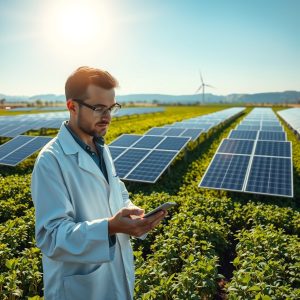
Solar photovoltaics have long been the poster child of renewable energy, but the technology is evolving far beyond the rigid, silicon-based panels of yesteryear. Today, researchers are pushing the boundaries with perovskite solar cells, which promise higher efficiencies and lower production costs. Meanwhile, floating solar arrays are turning reservoirs, lakes, and even the open ocean into dual-purpose power generators, preserving land while harnessing the sun’s rays. Agrivoltaics, the practice of co-locating solar panels with agriculture, is another frontier, where crops thrive in the dappled shade of photovoltaic canopies, and farmers reap the benefits of both food and energy production.
Yet, the true challenge lies not in generating solar power, but in integrating it seamlessly into the grid. Smart grid management systems, powered by artificial intelligence, are stepping into this role, dynamically balancing supply and demand, predicting weather patterns, and optimizing energy distribution in real time. These systems are the unsung heroes of the energy transition, ensuring that the intermittent nature of renewables doesn’t disrupt the delicate equilibrium of our power networks.
Storage: The Linchpin of a Renewable Future
If solar and wind are the engines of the new energy economy, then storage is the fuel tank. Without it, the promise of renewables remains incomplete. Lithium-ion batteries have dominated the conversation for years, but their limitations—cost, degradation, and safety concerns—have spurred a search for alternatives. Solid-state batteries, with their higher energy densities and improved safety profiles, are poised to revolutionize everything from electric vehicles to grid storage. Meanwhile, sodium-ion batteries, leveraging the abundance and low cost of sodium, are emerging as a viable contender, particularly for large-scale applications where weight is less of a concern.
For long-duration storage, where energy must be stashed away for hours, days, or even weeks, the solutions are even more diverse. Green hydrogen, produced by splitting water with renewable electricity, is gaining traction as a versatile energy carrier that can be stored, transported, and converted back into power when needed. Other innovations, like compressed air energy storage and flow batteries, are also carving out niches, offering solutions tailored to specific grid needs. Together, these technologies are turning the dream of 100% renewable energy from a distant aspiration into a tangible reality.
The Winds of Change: Offshore and Beyond
Offshore wind energy has exploded onto the scene, with towering turbines dotting coastlines and continental shelves. These giants of the sea are not just generating power; they’re redefining what’s possible. Floating wind farms, anchored to the seabed in deep waters, are unlocking vast new areas for development, far from the constraints of shallow coastal zones. Tidal power systems, though still in their infancy, offer another tantalizing glimpse into the future, where the predictable rhythms of the ocean’s tides provide a steady, reliable source of clean energy.
But the innovation doesn’t stop at generation. Virtual power plants (VPPs) are aggregating distributed energy resources—rooftop solar, home batteries, electric vehicles—into a single, coordinated network. These VPPs can respond to grid demands in real time, selling excess power back to the market or providing critical services like frequency regulation. In doing so, they’re blurring the lines between producer and consumer, turning every home and business into a potential node in a decentralized energy market.
Decentralization: Power to the People
The shift toward decentralized energy markets is perhaps the most profound change of all. No longer are we reliant on a handful of centralized power plants, transmitting electricity across vast distances. Instead, microgrids—localized networks that can operate independently or in conjunction with the main grid—are empowering communities to take control of their energy futures. These systems, often powered by a mix of solar, wind, and storage, offer resilience in the face of natural disasters, cyberattacks, or grid failures. They’re also fostering energy democracy, where decisions about power generation and distribution are made at the local level, rather than dictated by distant utilities.
In this new landscape, energy is not just a commodity; it’s a catalyst for social and economic transformation. Distributed energy resources are creating jobs, reducing energy poverty, and giving communities the tools to build a more sustainable future. And as blockchain technology matures, peer-to-peer energy trading platforms are emerging, allowing neighbors to buy and sell excess power directly, further democratizing the energy economy.
The Unseen Innovations: Carbon Capture and Geothermal
While much of the focus is on generating clean energy, there’s also a quiet revolution underway in capturing and storing the carbon emissions we’ve already produced. Carbon capture technology, once dismissed as a pipe dream, is now a critical tool in the fight against climate change. From direct air capture systems that pull CO2 straight from the atmosphere to enhanced geothermal plants that store carbon underground, these technologies are giving us a second chance to undo the damage of the past.
Geothermal innovation, too, is experiencing a renaissance. Traditionally limited to regions with natural geothermal activity, new techniques like enhanced geothermal systems (EGS) are unlocking the Earth’s heat in previously inaccessible locations. By drilling deep into the crust and circulating water through hot rock formations, EGS can generate power anywhere, providing a steady, baseload source of clean energy that complements the intermittency of wind and solar.
The energy transition is not a single event, but a mosaic of innovations, each playing a unique role in the larger picture. It’s a story of adaptation, where old technologies are reimagined and new ones are born from the crucible of necessity. As we stand on the precipice of this new era, the choices we make today will determine the shape of our energy future. The tools are at our disposal; the question is whether we have the vision and the will to use them. The hum of progress is growing louder, and the time to act is now—before the wind changes direction and the opportunity slips through our fingers like grains of sand.