The Next Frontier: How Smart Grid Management is Revolutionizing Renewable Energy Integration
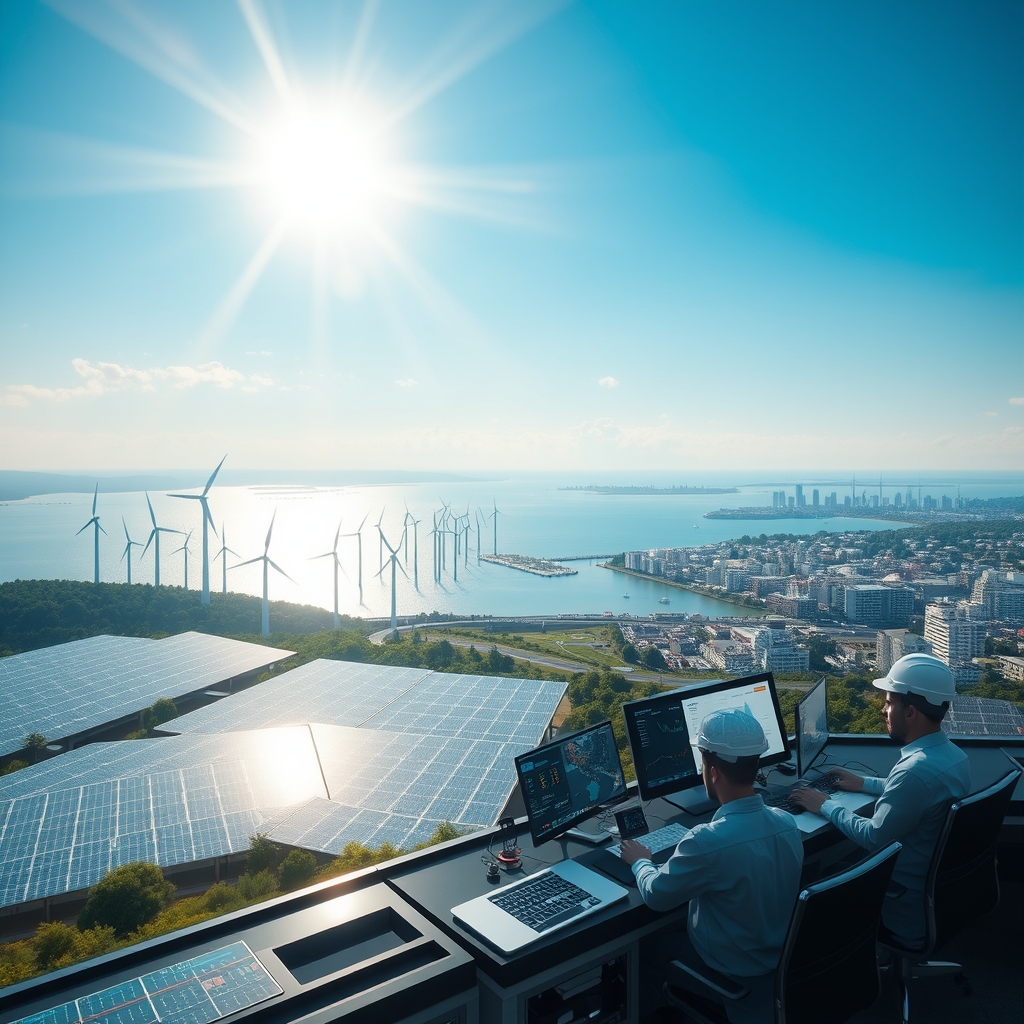
The global energy landscape is undergoing a seismic shift, driven by the urgent need to reduce carbon emissions and transition toward sustainable power sources. At the heart of this transformation lies smart grid management, a dynamic and intelligent approach to electricity distribution that is unlocking the full potential of renewable energy. By leveraging advanced technologies such as artificial intelligence, IoT, and real-time data analytics, smart grids are not only enhancing the efficiency of power systems but also enabling the seamless integration of diverse energy sources like solar photovoltaics, offshore wind energy, and distributed energy resources.
The Evolution of Grid Infrastructure
Traditional power grids were designed for a one-way flow of electricity, from centralized power plants to consumers. However, the rise of renewable energy has introduced a new paradigm: decentralized, bidirectional energy flows. Solar panels on rooftops, wind farms in remote locations, and community-based microgrids are generating power closer to where it is consumed, reducing transmission losses and increasing resilience. Yet, this shift presents challenges, particularly in balancing supply and demand in real time.
Smart grid management addresses these challenges by creating a more flexible and responsive infrastructure. Through the use of smart meters, sensors, and automated control systems, utilities can monitor energy consumption patterns, predict demand fluctuations, and optimize the distribution of electricity. This level of intelligence is critical for accommodating the intermittent nature of renewables, ensuring that excess energy is stored or redirected rather than wasted.
Enhancing Renewable Energy Integration
One of the most significant advantages of smart grid management is its ability to integrate high volumes of renewable energy into the grid without compromising stability. For instance, solar photovoltaics and offshore wind energy are highly variable, dependent on weather conditions and time of day. Smart grids mitigate this variability by dynamically adjusting to changes in generation and consumption.
A key enabler of this flexibility is battery energy storage. Advanced storage solutions, such as lithium-ion batteries and emerging technologies like solid-state batteries and sodium-ion batteries, allow excess energy to be stored during periods of high generation and released when demand peaks. Smart grids can intelligently manage these storage systems, ensuring that energy is available when and where it is needed most. Additionally, virtual power plants (VPPs) aggregate distributed energy resources, such as rooftop solar and home batteries, into a single, controllable entity, further enhancing grid stability.
The Role of AI in Energy Efficiency
Artificial intelligence is a game-changer in smart grid management, offering unprecedented capabilities in forecasting, optimization, and automation. AI-driven algorithms analyze vast amounts of data from weather patterns, historical consumption, and real-time grid conditions to predict energy demand with remarkable accuracy. This enables utilities to preemptively adjust generation and storage, reducing waste and lowering costs.
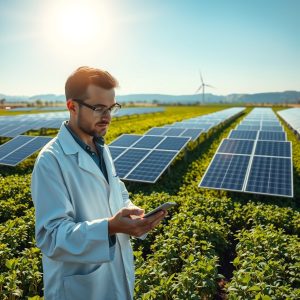
Moreover, AI enhances the efficiency of renewable energy assets. For example, machine learning models can optimize the angle of solar panels to maximize energy capture or predict wind turbine performance based on atmospheric conditions. In agrivoltaics—where solar panels are installed above farmland—AI can balance energy production with agricultural needs, ensuring that crops receive adequate sunlight while still generating clean power.
Decentralized Energy Markets and Microgrid Autonomy
Smart grid management is also paving the way for decentralized energy markets, where consumers can buy and sell electricity directly with one another. Blockchain technology, combined with smart grids, enables peer-to-peer energy trading, empowering individuals and communities to become active participants in the energy ecosystem. This not only reduces reliance on centralized utilities but also fosters energy independence and resilience.
Microgrid autonomy takes this concept further by creating localized energy systems that can operate independently of the main grid. In remote or disaster-prone areas, microgrids provide a reliable source of power, often integrating multiple renewable sources such as solar, wind, and even tidal power systems. Smart grid technologies ensure that these microgrids can seamlessly switch between grid-connected and islanded modes, maintaining stability under all conditions.
Innovations on the Horizon
The future of smart grid management is brimming with innovation. Green hydrogen, produced using excess renewable energy, is emerging as a promising solution for long-duration energy storage and industrial applications. Similarly, carbon capture technology is being integrated into power plants to reduce emissions, while floating solar arrays are expanding the possibilities for solar energy generation in water-scarce regions.
Another exciting development is the rise of energy efficiency AI, which uses predictive analytics to optimize energy use in buildings, factories, and transportation. By identifying inefficiencies and suggesting real-time adjustments, AI can significantly reduce energy waste and lower carbon footprints. Meanwhile, long-duration storage technologies, such as flow batteries and compressed air energy storage, are addressing the challenge of storing renewable energy for days or even weeks, further enhancing grid reliability.
As the world races toward a sustainable energy future, smart grid management stands as a cornerstone of this transition. By enabling the seamless integration of renewables, enhancing efficiency through AI, and empowering decentralized energy systems, smart grids are not just modernizing the power sector—they are redefining what is possible. The journey toward a cleaner, more resilient energy system is well underway, and with continued innovation, the possibilities are limitless. The shift is not merely about adopting new technologies but about reimagining how we generate, distribute, and consume energy in a way that benefits both people and the planet.