The Solar Metabolism: How Bioengineered Microorganisms Are Supercharging Energy Storage in Renewable Systems

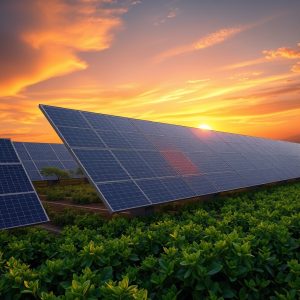
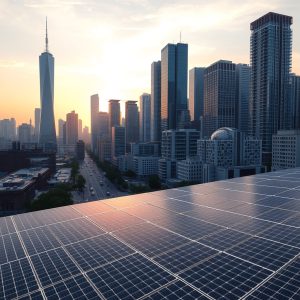
The hum of innovation in renewable energy often echoes through the vast fields of solar farms and the sleek surfaces of photovoltaic panels. Yet, beneath this visible progress lies a quieter, more microscopic revolution—one where the boundaries between biology and technology blur into a symphony of sustainable potential. At the heart of this transformation are bioengineered microorganisms, tiny powerhouses that are redefining how we store and harness the sun’s energy. Their role in the future of renewable systems is not just promising; it is already unfolding in laboratories and pilot projects around the world, offering a glimpse into a future where energy storage is as dynamic and adaptable as life itself.
The Microbial Advantage: Why Biology Holds the Key
Energy storage has long been the Achilles’ heel of renewable energy systems. Traditional batteries, while effective, come with limitations—high costs, environmental concerns from mining rare materials, and finite lifespans. Enter bioengineered microorganisms, nature’s own energy converters, which are stepping into the spotlight as a game-changing alternative. These microorganisms, often genetically modified bacteria or algae, possess an innate ability to convert sunlight, organic waste, or even carbon dioxide into storable energy forms like hydrogen, biofuels, or electricity. Their metabolic processes are not just efficient; they are self-sustaining, capable of replicating and repairing themselves, much like the ecosystems they originate from.
One of the most compelling examples of this technology is the development of microbial fuel cells (MFCs). These systems leverage the natural electrochemical processes of bacteria to generate electricity directly from organic matter. Unlike conventional batteries, MFCs can operate continuously as long as they are fed a steady stream of organic waste, making them ideal for integration with solar energy systems. Imagine a solar farm where excess energy is not just stored in lithium-ion batteries but also funneled into bioengineered microorganisms that convert it into hydrogen or other high-energy compounds. This dual approach could create a closed-loop system where energy is not only captured and stored but also regenerated in a cycle that mirrors the natural world.
From Lab to Grid: The Path to Scalability
The journey from laboratory breakthrough to real-world application is rarely straightforward, and bioengineered energy storage is no exception. However, recent advancements are accelerating this transition. Researchers at institutions like the Massachusetts Institute of Technology (MIT) and the University of California, Berkeley, have made significant strides in optimizing microbial strains for energy production. For instance, scientists have engineered Shewanella oneidensis, a bacterium known for its ability to transfer electrons outside its cell, to enhance its electricity-generating capabilities. Similarly, algae strains like Chlamydomonas reinhardtii have been modified to produce hydrogen at rates far exceeding their natural counterparts.
Scaling these technologies requires overcoming challenges such as maintaining microbial viability in large-scale systems, ensuring consistent energy output, and integrating them seamlessly with existing renewable infrastructure. One promising solution is the use of bioreactors—controlled environments where microorganisms can thrive and produce energy at optimal rates. These bioreactors can be paired with solar panels to create hybrid systems where sunlight powers both photovoltaic cells and microbial energy production. For example, a solar farm could use excess energy during peak sunlight hours to cultivate algae in bioreactors, which then produce biofuels or hydrogen for later use. This not only maximizes energy capture but also diversifies the storage options available.
The Role of Smart Grids in a Bioengineered Future
No discussion of renewable energy storage would be complete without addressing the role of smart grids. These intelligent networks are designed to dynamically balance energy supply and demand, integrating diverse energy sources and storage solutions. Bioengineered microorganisms fit seamlessly into this vision, offering a flexible and responsive storage medium that can adapt to fluctuating energy needs. Smart grids equipped with advanced sensors and AI-driven analytics can optimize the performance of microbial energy systems, ensuring that energy is stored and released at the most efficient times.
For instance, during periods of low solar energy production, such as at night or on cloudy days, smart grids could tap into the energy stored in microbial fuel cells or biofuels. Conversely, during peak production hours, excess energy could be diverted to bioreactors to cultivate more microorganisms or produce additional hydrogen. This level of integration not only enhances the reliability of renewable energy systems but also reduces waste, creating a more sustainable and resilient energy infrastructure.
The Environmental and Economic Implications
The environmental benefits of bioengineered energy storage are profound. Unlike traditional batteries, which rely on rare and often environmentally destructive materials like lithium and cobalt, microbial systems use abundant and renewable resources. Algae, for example, can be cultivated in wastewater or seawater, reducing the need for freshwater and arable land. Additionally, many bioengineered microorganisms can sequester carbon dioxide as they grow, turning a greenhouse gas into a valuable resource for energy production. This dual function—energy storage and carbon capture—positions microbial systems as a cornerstone of climate tech solutions.
Economically, the potential is equally compelling. The global energy storage market is projected to reach $435 billion by 2030, driven by the growing demand for renewable energy integration. Bioengineered storage solutions could capture a significant share of this market, particularly in regions with abundant organic waste or agricultural byproducts. For example, rural communities could deploy microbial fuel cells to convert crop residues into electricity, reducing energy costs and creating new revenue streams. Similarly, urban areas could integrate bioreactors into wastewater treatment plants, turning a waste management challenge into an energy opportunity.
Ethical Considerations and the Road Ahead
As with any emerging technology, the rise of bioengineered energy storage raises important ethical and regulatory questions. The genetic modification of microorganisms, while promising, must be approached with caution to avoid unintended ecological consequences. Rigorous testing and oversight are essential to ensure that these engineered organisms do not disrupt natural ecosystems or pose risks to human health. Additionally, public perception and acceptance will play a critical role in the adoption of these technologies. Transparent communication about the benefits and safeguards of bioengineered systems will be key to building trust and fostering widespread support.
The road ahead is paved with both challenges and opportunities. As research continues to unlock the full potential of bioengineered microorganisms, collaborations between scientists, policymakers, and industry leaders will be essential to drive innovation and scalability. Pilot projects, such as those underway in Europe and Asia, are already demonstrating the feasibility of integrating microbial energy storage with solar and wind systems. These early successes serve as a testament to the transformative power of biotechnology in the renewable energy sector.
The fusion of biology and technology is not just a scientific marvel; it is a paradigm shift in how we think about energy. As the sun rises on a new era of renewable systems, bioengineered microorganisms stand at the forefront, offering a glimpse into a future where energy is not just clean and abundant but also alive with possibility. The quiet revolution happening in laboratories and bioreactors today may well be the foundation of a sustainable energy ecosystem tomorrow, where the boundaries between nature and technology dissolve into a seamless, symbiotic whole.