The Solar-Bio Nexus: How Synthetic Biology and Photovoltaics Are Crafting the Next Era of Self-Sustaining Energy Ecosystems
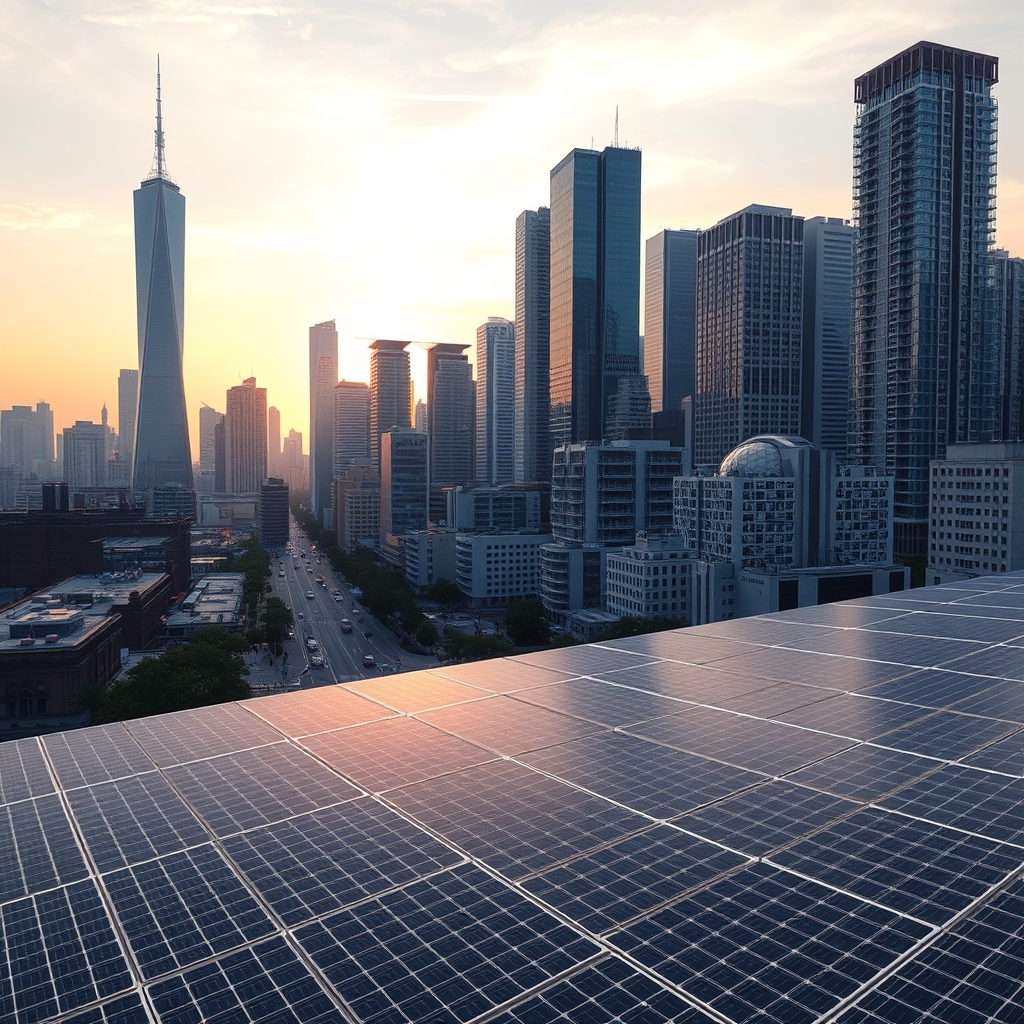
In the heart of a bustling city, where skyscrapers pierce the sky and the hum of life is constant, a quiet revolution is taking place. It’s not the kind of revolution that makes headlines, but it’s no less profound. It’s the marriage of two seemingly disparate fields: synthetic biology and photovoltaics. Together, they are crafting a new era of self-sustaining energy ecosystems.
The Dawn of a New Era
The sun, an ever-present and abundant source of energy, has been harnessed by humans for centuries. However, the traditional methods of solar energy capture have their limitations. Enter synthetic biology, a field that combines the precision of engineering with the complexity of living systems. By leveraging the power of genes and enzymes, scientists are unlocking new possibilities for solar energy capture and storage.
Synthetic Biology: The Powerhouse of the Future
Synthetic biology is a rapidly evolving field that involves the design and construction of new biological parts, devices, and systems. It’s a field that’s not just about understanding life, but about creating it. In the context of solar energy, synthetic biology offers a plethora of benefits.
Enhanced Solar Energy Capture
One of the key areas where synthetic biology is making a difference is in the enhancement of solar energy capture. Traditional solar panels, while efficient, have their limitations. They can only capture a certain portion of the sun’s energy, and they can’t store it for later use. Synthetic biology, on the other hand, offers a way to capture and store solar energy in the form of chemical bonds.
Bio-Photovoltaics: The Future of Solar Energy
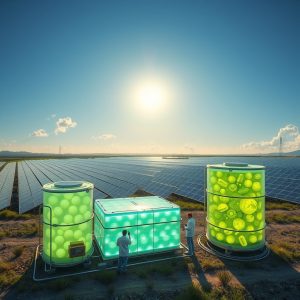
Bio-photovoltaics is a term that refers to the use of biological materials to capture and convert solar energy. This can be done in a variety of ways, from using enzymes to split water into hydrogen and oxygen, to using genetically modified algae to produce biofuels. These bio-photovoltaic systems are not only more efficient than traditional solar panels, but they also offer a way to store solar energy for later use.
The Role of Photovoltaics in the Solar-Bio Nexus
While synthetic biology is the powerhouse of the future, photovoltaics is the backbone. Photovoltaics is the field of technology that deals with the conversion of light into electricity. It’s a field that’s been around for decades, but it’s only in recent years that it’s seen a resurgence, thanks in large part to the development of more efficient and affordable solar panels.
Improved Efficiency and Affordability
The development of more efficient and affordable solar panels has been a game-changer. It’s made solar energy a viable option for a wider range of applications, from powering homes and businesses to fueling the electric vehicles of the future. But the real game-changer is the integration of photovoltaics with synthetic biology.
Self-Sustaining Energy Ecosystems
When photovoltaics and synthetic biology are combined, the result is a self-sustaining energy ecosystem. Solar panels capture the sun’s energy and convert it into electricity. This electricity is then used to power biological systems that capture and store solar energy in the form of chemical bonds. The stored energy can then be used to power homes, businesses, and even entire cities.
In the heart of a bustling city, where skyscrapers pierce the sky and the hum of life is constant, a quiet revolution is taking place. It’s not the kind of revolution that makes headlines, but it’s no less profound. It’s the marriage of two seemingly disparate fields: synthetic biology and photovoltaics. Together, they are crafting a new era of self-sustaining energy ecosystems. This is the future of energy, a future that’s not just sustainable, but self-sustaining. It’s a future where the sun’s energy is harnessed and stored, not just for today, but for tomorrow and beyond.