The Invisible Thread: Weaving Renewable Energy into the Fabric of Sustainable Tech Manufacturing
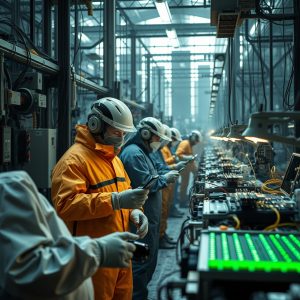
In the quiet hum of a modern factory, where machines once roared with the insatiable hunger for fossil fuels, a new rhythm is emerging—one that pulses with the steady, renewable heartbeat of the Earth. The transformation is not just about swapping one energy source for another; it is about reimagining the very fabric of how technology is conceived, designed, and brought to life. Sustainable tech manufacturing is no longer a distant ideal but a tangible reality, woven together by the invisible threads of renewable energy integration, ethical material sourcing, and circular design processes.
The Renewable Energy Tapestry
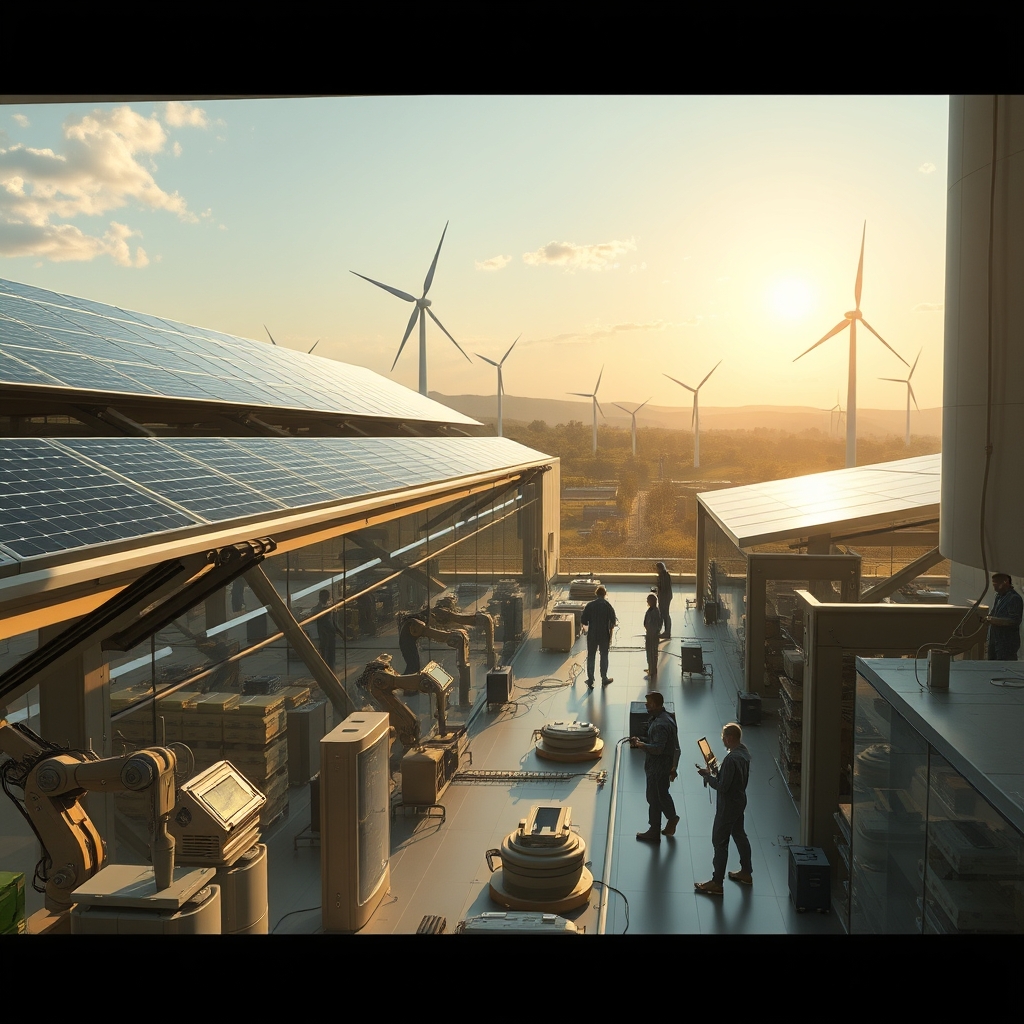
At the heart of this transformation lies the seamless integration of renewable energy into manufacturing workflows. Solar panels stretch across rooftops like vast, shimmering canopies, capturing the sun’s energy to power assembly lines. Wind turbines, standing tall and graceful, harness the kinetic energy of the breeze, converting it into the electricity that fuels innovation. But the true magic happens when these energy sources are not just bolted onto existing systems but intricately woven into the very DNA of production.
Factories are now designed with energy optimization in mind, where every kilowatt-hour is accounted for, and waste is minimized. Microgrids, powered by a mix of solar, wind, and even geothermal energy, create resilient, self-sustaining ecosystems that can operate independently of the traditional grid. This decentralization not only reduces reliance on fossil fuels but also insulates manufacturers from the volatility of energy markets. The result is a production process that is not only cleaner but also more stable and cost-effective in the long run.
The Ethical Foundation: Sourcing with Conscience
Yet, renewable energy is only one thread in the larger tapestry of sustainable tech manufacturing. Equally critical is the ethical sourcing of materials—the foundation upon which all innovation is built. The tech industry has long grappled with the dark side of its supply chains, where rare earth minerals are extracted under exploitative conditions, and environmental degradation is often the hidden cost of progress. Today, however, a shift is underway.
Companies are increasingly turning to bio-based tech materials, derived from renewable resources like algae, mushrooms, and agricultural waste. These materials not only reduce the carbon footprint of production but also offer a path away from the finite, often conflict-ridden minerals that have dominated the industry. Ethical material sourcing goes beyond environmental considerations; it encompasses fair labor practices, transparency, and a commitment to leaving no community behind in the pursuit of progress. By prioritizing suppliers who adhere to these principles, manufacturers are not just building better products—they are building a better world.
The Circular Design Revolution
If renewable energy and ethical sourcing are the threads that weave the fabric of sustainable manufacturing, then circular design is the loom that brings it all together. The linear model of “take, make, dispose” is giving way to a closed-loop system where waste is not an endpoint but a beginning. Products are designed with their entire lifecycle in mind, from the extraction of raw materials to their eventual disassembly and reuse.
This approach is evident in the rise of modular tech devices, where components can be easily upgraded or replaced, extending the lifespan of the product. It is seen in the use of recyclable product architecture, where materials are chosen not just for their performance but for their ability to be reclaimed and repurposed. Even the manufacturing process itself is being reimagined, with low-carbon tech prototyping and energy-optimized fabrication reducing the environmental impact of bringing new ideas to life.
Life Cycle Assessment: The Compass of Conscious Innovation
At the core of circular design is the practice of life cycle assessment (LCA), a rigorous analysis of a product’s environmental impact from cradle to grave—or, in the case of circular design, from cradle to cradle. LCA evaluates everything from the energy used in production to the emissions generated during transportation, the durability of the product, and its end-of-life recyclability. This holistic approach ensures that sustainability is not just a buzzword but a measurable, actionable goal.
For manufacturers, LCA is more than a tool; it is a compass that guides every decision, from the materials selected to the manufacturing processes employed. It challenges designers to think beyond the immediate functionality of a product and consider its long-term impact on the planet. In doing so, it fosters a culture of conscious innovation, where every new idea is evaluated not just for its market potential but for its ecological footprint.
The Future: A Climate-Positive Horizon
The journey toward sustainable tech manufacturing is not without its challenges. Scaling renewable energy integration, ensuring ethical supply chains, and perfecting circular design processes all require time, investment, and collaboration. Yet, the progress made so far is a testament to what is possible when innovation is guided by a commitment to the planet and its people.
As factories hum with the energy of the sun and wind, as materials are sourced with care and products are designed to last, a new paradigm is taking shape—one where technology and sustainability are not opposing forces but harmonious partners. The invisible threads of renewable energy, ethical sourcing, and circular design are weaving a future where manufacturing is not just less harmful but actively restorative, where every product is a step toward a climate-positive world. In this future, the quiet revolution of sustainable tech manufacturing is not just changing how we make things; it is redefining what it means to innovate.