The Solar Code: How AI and Genetic Engineering Are Decoding the Future of Clean Energy
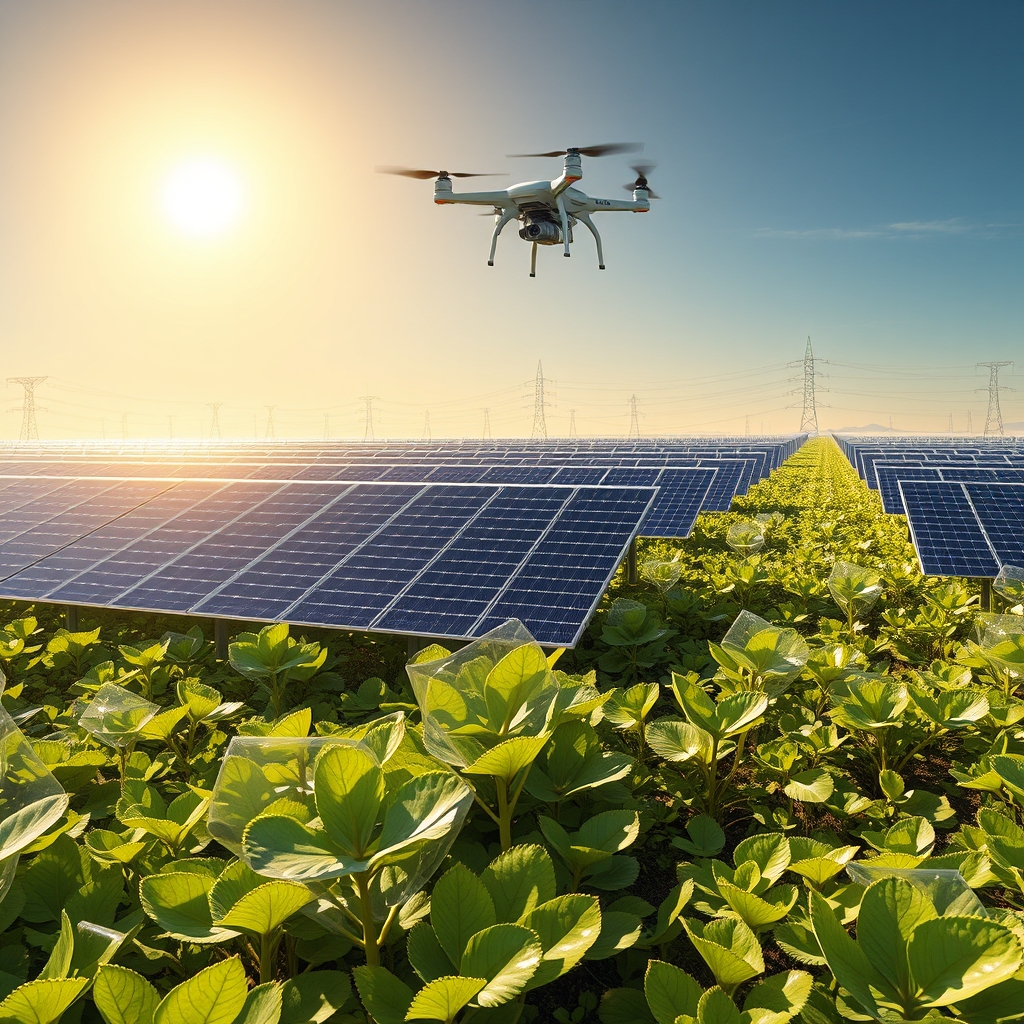
The sun has always been the Earth’s most abundant and democratic energy source, yet humanity has only scratched the surface of its potential. For decades, solar technology has evolved in incremental steps—silicon panels becoming slightly more efficient, inverters growing marginally smarter, and installation costs gradually declining. But the next leap forward won’t come from refining what we already know. It will emerge from the intersection of two revolutionary fields: artificial intelligence and genetic engineering. Together, they are not just improving solar energy—they are rewriting its fundamental code.
The AI-Powered Solar Brain
Imagine a solar farm that doesn’t just passively absorb sunlight but actively adapts to it. AI is making this a reality by transforming solar arrays into dynamic, learning systems. Machine learning algorithms now analyze vast datasets—weather patterns, cloud movements, energy demand fluctuations—to predict and optimize energy capture in real time. These systems don’t just react; they anticipate. For instance, AI-driven tracking systems adjust the angle of solar panels by the minute, maximizing exposure even on partly cloudy days. Some advanced setups even use predictive models to pre-cool panels before a heatwave, preventing efficiency drops before they happen.
But the real breakthrough lies in AI’s ability to integrate solar with other renewable sources and storage systems. Smart grids, powered by AI, balance supply and demand with unprecedented precision, reducing waste and stabilizing energy flow. In regions where solar is intermittent, AI ensures that excess energy is stored in batteries or even converted into hydrogen, creating a seamless, 24/7 clean energy ecosystem. The result? Solar is no longer just a supplementary power source—it’s becoming the backbone of a smarter, more resilient energy infrastructure.
Genetic Engineering: The Biological Solar Upgrade
While AI optimizes the hardware, genetic engineering is reimagining the biological side of solar energy. Scientists are now exploring ways to enhance photosynthesis—the natural process that converts sunlight into energy—using bioengineered organisms. One of the most promising avenues is the development of “super plants” and algae that can absorb sunlight more efficiently than their natural counterparts. By tweaking the genetic code of crops like tobacco or fast-growing algae, researchers have created organisms that produce more biomass, which can then be converted into biofuels or even used to generate electricity directly.
Another groundbreaking approach involves biohybrid solar cells, where living organisms are integrated with photovoltaic materials. For example, researchers at the University of Cambridge have developed a system where photosynthetic bacteria are embedded in a conductive material, creating a living solar panel. These biohybrid systems are not only more efficient but also self-repairing, reducing maintenance costs and extending the lifespan of solar installations. The implications are staggering: solar farms that grow and adapt like living organisms, blending seamlessly into ecosystems rather than disrupting them.
The Synergy of AI and Genetic Engineering
The true magic happens when AI and genetic engineering converge. AI can analyze the genetic data of bioengineered organisms in real time, identifying which modifications yield the highest energy output. This creates a feedback loop where AI-driven insights inform further genetic tweaks, accelerating the development of hyper-efficient photosynthetic organisms. Meanwhile, these bioengineered systems generate data that AI uses to refine its predictive models, creating a cycle of continuous improvement.
One example of this synergy is the development of AI-designed enzymes that enhance the efficiency of biofuel production. By simulating millions of potential enzyme structures, AI can identify the most effective candidates, which are then synthesized and tested in the lab. This process, which once took years, can now be completed in months, dramatically speeding up innovation. The result is a new generation of biofuels that are not only cleaner but also more energy-dense, making them a viable alternative to fossil fuels.
The Future: A Living, Breathing Energy Grid
The next decade will see the rise of solar energy systems that are as dynamic and adaptive as the ecosystems they draw inspiration from. AI will manage these systems with a level of precision that was once unimaginable, while genetic engineering will ensure that the biological components of these systems are constantly evolving to meet our energy needs. Imagine solar farms that double as carbon sinks, where bioengineered plants absorb CO2 while generating electricity. Or urban solar installations that blend into the environment, their panels mimicking the leaves of trees while AI optimizes their output in real time.
This future isn’t just about technology—it’s about redefining our relationship with energy. For too long, we’ve treated energy as a commodity to be extracted and consumed. But AI and genetic engineering are helping us see it as something far more profound: a living, breathing part of our world. As these fields continue to evolve, they will not only make solar energy more efficient and accessible but also more harmonious with the natural systems that sustain us. The sun’s energy has always been there, waiting to be unlocked. Now, we’re finally learning how to speak its language.
The Ethical and Environmental Considerations
Of course, with such transformative power comes responsibility. The integration of AI and genetic engineering into solar energy raises important ethical and environmental questions. How do we ensure that bioengineered organisms don’t disrupt existing ecosystems? What safeguards are in place to prevent AI-driven energy systems from being hacked or misused? And how do we balance the need for innovation with the potential risks of unleashing genetically modified organisms into the wild?
These challenges are not insurmountable, but they require a thoughtful, collaborative approach. Governments, scientists, and industry leaders must work together to establish robust regulatory frameworks that encourage innovation while protecting the environment and public safety. Transparency will be key—ensuring that the public understands the benefits and risks of these technologies and has a voice in how they are deployed. Only by addressing these concerns head-on can we fully realize the potential of AI and genetic engineering to revolutionize solar energy.
The journey toward a sustainable energy future is not a straight line but a series of bold leaps. Each discovery, whether in AI-driven optimization or bioengineered photosynthesis, brings us closer to a world where clean energy is not just a goal but a reality. The tools we need are already within our grasp. The question is no longer whether we can harness the sun’s power in new and revolutionary ways, but how quickly we can turn these possibilities into the energy systems of tomorrow. As the boundaries between technology and biology blur, one thing is clear: the future of solar energy is not just bright—it’s alive.