The Solar-Powered Microbiome: How Bioengineered Bacteria Are Revolutionizing Renewable Energy Storage
In the quest for sustainable energy solutions, scientists are turning to the microscopic world for inspiration. One of the most promising innovations in this realm is the use of bioengineered bacteria to revolutionize renewable energy storage. This cutting-edge technology, often referred to as microbial fuel cells (MFCs), is paving the way for a more efficient, eco-friendly, and scalable future in the energy sector.
The Science Behind Microbial Fuel Cells
Microbial fuel cells are biological powerhouses that harness the metabolic activity of microorganisms to generate electricity. These tiny organisms, often bacteria, are capable of breaking down organic matter and converting it into electrical energy. The process is a form of anaerobic respiration, where the bacteria act as the catalyst, breaking down sugars and other organic compounds to produce electrons and protons. These electrons are then captured and channeled through an external circuit, generating a flow of electricity.
The Role of Bioengineering
Bioengineering plays a crucial role in enhancing the efficiency and scalability of MFCs. By genetically modifying bacteria, scientists can create strains that are more efficient at producing electricity. For instance, certain bacteria can be engineered to produce more hydrogenases, enzymes that facilitate the transfer of electrons. This bioengineering approach not only increases the power output of MFCs but also makes them more robust and adaptable to different environmental conditions.
Applications in Renewable Energy Storage
One of the most exciting applications of bioengineered bacteria in renewable energy storage is in the development of microbial batteries. These batteries are not only eco-friendly but also offer a sustainable solution for energy storage. They can be used in a variety of settings, from powering remote sensors in the wilderness to providing backup power in off-grid communities.
Integration with Solar Power Systems
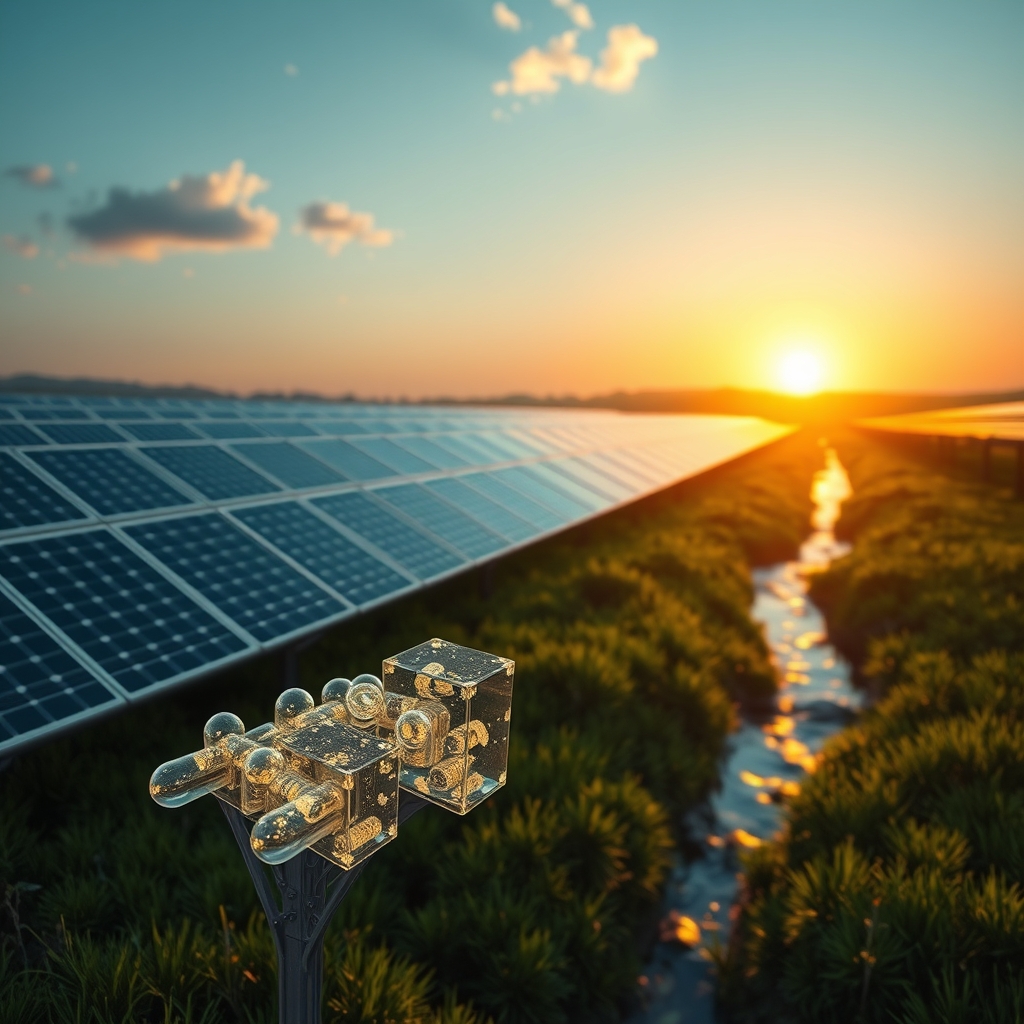
MFCs can be seamlessly integrated with solar power systems, creating a hybrid energy solution. During the day, solar panels generate electricity, which can be used to power the MFCs. At night, when solar power is not available, the MFCs can continue to generate electricity, providing a continuous power supply. This integration not only enhances the efficiency of solar power systems but also ensures a more reliable and sustainable energy supply.
Challenges and Future Prospects
Despite their numerous advantages, MFCs face several challenges, including low power output and the need for continuous substrate supply. However, ongoing research and bioengineering efforts are addressing these issues. Scientists are exploring ways to increase the power output of MFCs by optimizing the bacterial strains and the design of the fuel cells. Additionally, the development of self-sustaining MFCs that can generate electricity from waste products is an exciting area of research that could further enhance the sustainability of these systems.
As we continue to explore the potential of bioengineered bacteria in renewable energy storage, we are not only unlocking a new frontier in clean energy technology but also gaining a deeper understanding of the intricate relationship between life and energy. This symbiotic relationship, where microorganisms and technology work together to create a sustainable future, is a testament to the boundless potential of innovation in the field of renewable energy.