
Beyond Silicon: The Rise of Biohybrid Solar Systems in the Clean Energy Revolution
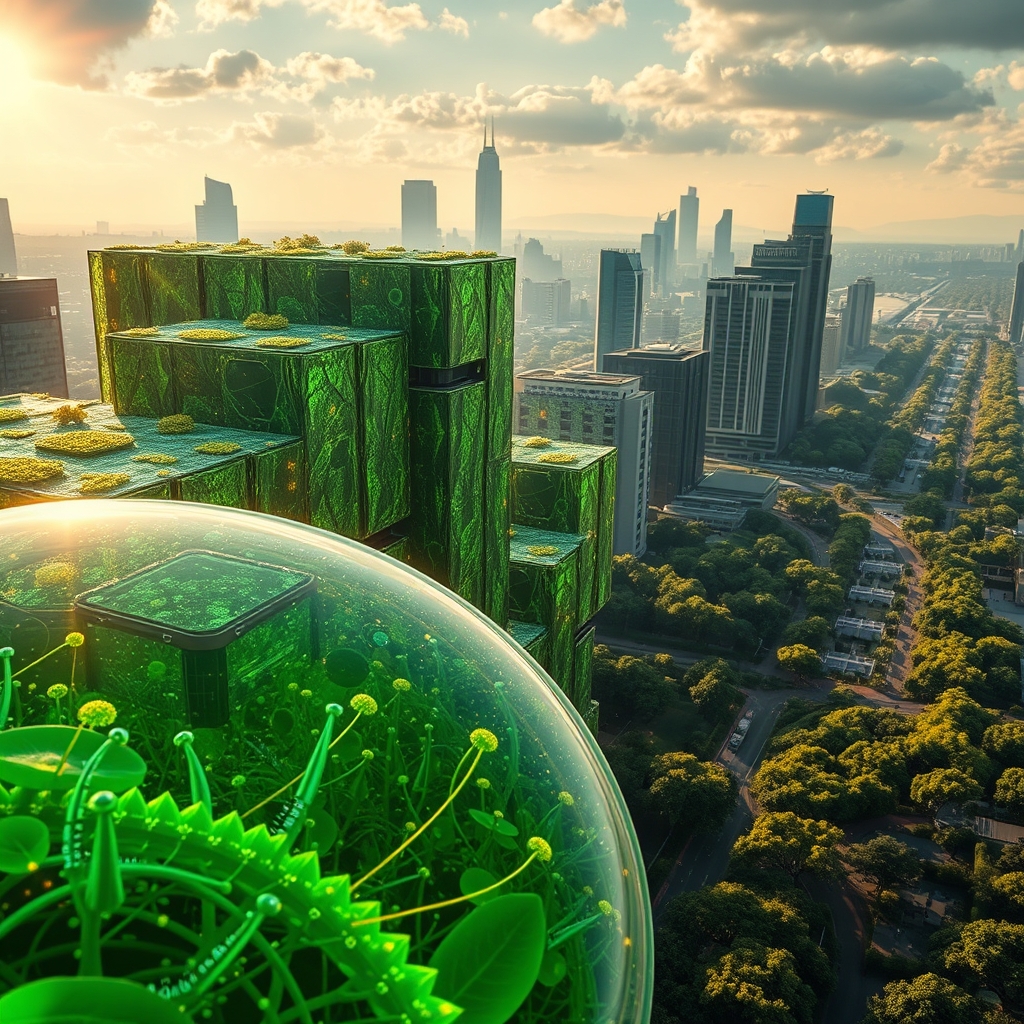
The golden age of solar energy is no longer confined to the rigid, blue-tinged panels that dot rooftops and sprawling solar farms. As the world races toward a carbon-neutral future, a quiet but profound transformation is underway—one where biology and photovoltaics intertwine to create systems that are not just efficient, but alive. This is the era of biohybrid solar technology, where the precision of engineering meets the elegance of natural processes, forging a path toward energy solutions that are as dynamic as the ecosystems they seek to protect.
The Fusion of Life and Light
At the heart of biohybrid solar systems lies a simple yet revolutionary idea: why not harness the innate efficiency of biological organisms to enhance solar energy capture? Plants and certain microorganisms have spent millions of years perfecting the art of photosynthesis, converting sunlight into chemical energy with a grace that human-made technologies struggle to match. By integrating these biological systems with traditional photovoltaic (PV) materials, researchers are unlocking new frontiers in clean energy innovation.
One of the most promising advancements in this field is the development of bio-photovoltaic cells, which use living organisms—such as algae, cyanobacteria, or even genetically engineered bacteria—to generate electricity. These organisms absorb sunlight and produce electrons through their natural metabolic processes. When paired with conductive materials, they can create a flow of electricity, effectively turning a biological system into a living solar panel. Unlike conventional silicon-based cells, bio-photovoltaics can self-repair, adapt to changing light conditions, and even grow over time, reducing the need for costly replacements and maintenance.
The Alchemy of Genetic Engineering
The potential of biohybrid systems is further amplified by the rapid advancements in genetic engineering. Scientists are now able to tweak the genetic makeup of photosynthetic organisms to optimize their energy output. For instance, researchers have modified cyanobacteria to produce higher yields of electrons, effectively increasing their electricity-generating capacity. These engineered organisms can be cultivated in controlled environments, such as bioreactors, where they thrive on sunlight, water, and carbon dioxide—three resources that are abundant and renewable.
Moreover, genetic engineering is enabling the creation of synthetic biology platforms that can be tailored for specific energy applications. Imagine solar panels embedded with genetically enhanced algae that not only generate electricity but also sequester carbon dioxide from the atmosphere, turning a passive energy system into an active participant in climate mitigation. This dual functionality could redefine the role of solar technology in the fight against global warming, transforming it from a mere energy source into a tool for environmental restoration.
From Lab to Landscape: Scaling Biohybrid Systems
While the science behind biohybrid solar systems is undeniably exciting, the transition from laboratory experiments to real-world applications presents its own set of challenges. One of the primary hurdles is scalability. Bio-photovoltaic cells currently produce relatively low power outputs compared to traditional solar panels, making them less viable for large-scale energy production. However, researchers are exploring innovative ways to overcome this limitation, such as stacking multiple layers of biohybrid cells or integrating them with conventional PV systems to create hybrid arrays that leverage the strengths of both technologies.
Another challenge lies in the durability and longevity of biological components. Unlike silicon, which is stable and long-lasting, living organisms are susceptible to environmental stressors such as temperature fluctuations, pests, and diseases. To address this, scientists are developing protective coatings and encapsulation techniques that shield the biological components while allowing them to remain functional. Additionally, advances in smart grid technology are enabling better monitoring and management of biohybrid systems, ensuring that they operate at peak efficiency even in dynamic conditions.
The Role of Energy Storage in Biohybrid Systems
Energy storage is a critical piece of the puzzle for any renewable energy system, and biohybrid solar is no exception. The intermittent nature of sunlight means that excess energy must be stored for use during periods of low light or high demand. Traditional battery systems, such as lithium-ion, are effective but come with their own environmental and resource challenges. Biohybrid systems offer a unique opportunity to explore alternative storage solutions, such as bio-batteries or microbial fuel cells, which use biological processes to store and release energy.
For example, certain bacteria can produce hydrogen or other biofuels when exposed to sunlight, which can then be stored and used to generate electricity on demand. This approach not only provides a sustainable storage solution but also aligns with the broader goals of a circular economy, where waste products from one process become inputs for another. As research in this area progresses, biohybrid systems could pave the way for fully integrated energy ecosystems that are self-sustaining and resilient.
The Future is Symbiotic
The integration of biotechnology and solar energy is more than just a technological breakthrough—it is a paradigm shift in how we think about energy production. Biohybrid systems represent a fusion of human ingenuity and natural wisdom, offering a glimpse into a future where technology and ecology coexist in harmony. These systems have the potential to democratize energy production, making it accessible to communities in remote or resource-limited areas where traditional infrastructure is impractical.
As cities evolve into photosynthetic urban landscapes, where buildings are adorned with living solar facades and streets are lined with bio-photovoltaic trees, the line between nature and technology will blur. This vision is not just about generating clean energy; it is about reimagining our relationship with the planet. By embracing biohybrid solar systems, we are not merely adopting a new technology—we are participating in a larger movement toward sustainability, where every ray of sunlight is an opportunity to heal the Earth and power our future.
The journey toward a bio-integrated energy future is still in its early stages, but the possibilities are as vast as the sunlight that fuels it. As researchers, engineers, and innovators continue to push the boundaries of what is possible, one thing is clear: the next chapter of the clean energy revolution will be written not just in silicon, but in the very fabric of life itself. The sun has always been our greatest ally in the quest for energy; now, with the help of biotechnology, we are learning to harness its power in ways that are as elegant as they are effective, ensuring that the light we capture today illuminates a brighter, greener tomorrow.