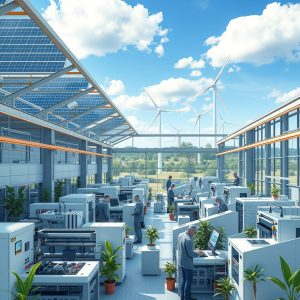
The Dawn of Bio-Solar Synergy: How Genetic Engineering and Photovoltaics Are Cultivating a New Energy Paradigm
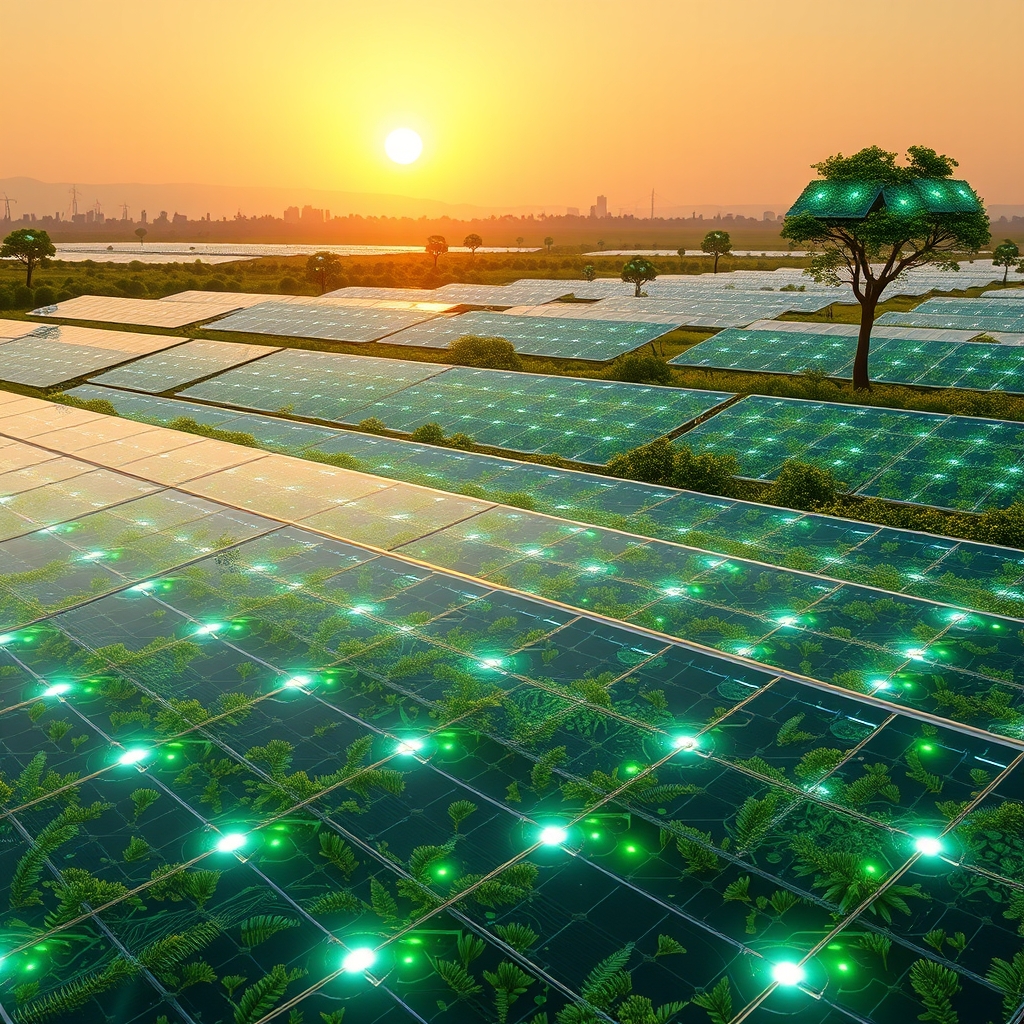
The golden hues of a setting sun have long symbolized the promise of renewable energy, but what if the future of solar power isn’t just about capturing light—it’s about merging it with life itself? The intersection of biotechnology and solar energy is giving rise to a revolutionary paradigm, one where genetic engineering and photovoltaics converge to create systems that are not only more efficient but also deeply integrated with the natural world. This is not science fiction; it is the dawn of bio-solar synergy, a frontier where the boundaries between biology and technology blur to redefine what’s possible in clean energy.
The Genetic Blueprint of Solar Efficiency
At the heart of this revolution lies the genetic reengineering of photosynthetic organisms. Scientists are unlocking the secrets of photosynthesis—the process by which plants, algae, and some bacteria convert sunlight into chemical energy—with the goal of enhancing its efficiency. Natural photosynthesis is notoriously inefficient, converting only about 1% of sunlight into usable energy. However, through genetic modifications, researchers are developing organisms that can surpass these limitations. For instance, bioengineered cyanobacteria and algae are being designed to produce higher yields of biofuels or even generate electricity directly through microbial fuel cells. These organisms act as living solar panels, harnessing sunlight in ways that traditional photovoltaics cannot.
One of the most promising advancements in this field is the development of photosynthetic biohybrid systems. These systems combine the light-absorbing capabilities of semiconductors with the metabolic pathways of genetically engineered microbes. By integrating these two components, researchers have created devices that can convert sunlight into electrical energy or chemical fuels with unprecedented efficiency. Imagine a solar farm where the panels are not just inert silicon but living, breathing organisms that grow, adapt, and even self-repair. This is the vision that bio-solar synergy is bringing to life.
The Role of Synthetic Biology in Energy Storage
Energy storage has long been the Achilles’ heel of renewable energy. Solar power is abundant during the day, but what happens when the sun sets? Traditional battery technologies, while improving, still face challenges in scalability, cost, and environmental impact. Enter synthetic biology—a field that is reimagining energy storage through the lens of living systems. Researchers are engineering microorganisms to store energy in the form of biofuels, hydrogen, or even complex organic molecules that can be tapped on demand.
A groundbreaking example of this approach is the use of bioelectrochemical systems, where genetically modified bacteria interact with electrodes to store and release energy. These systems mimic the natural processes of energy storage in living cells but are optimized for human use. For instance, some bacteria can be engineered to produce hydrogen gas when exposed to sunlight, offering a clean and efficient way to store solar energy. Others are being designed to synthesize lipids or other high-energy compounds that can be converted into biodiesel or other fuels. The beauty of these systems lies in their scalability and sustainability—they can be grown, harvested, and replenished without the environmental costs associated with traditional battery materials like lithium or cobalt.
Smart Grids and the Bio-Solar Ecosystem
The integration of bio-solar technologies into the broader energy infrastructure is another critical piece of the puzzle. Smart grids—intelligent energy networks that use digital technology to monitor and manage electricity flow—are evolving to accommodate these new systems. By incorporating bio-solar components, smart grids can become more resilient, adaptive, and efficient. For example, bioengineered algae farms could be integrated into urban smart grids, providing both energy storage and carbon capture capabilities. These systems could dynamically adjust their output based on real-time energy demands, weather conditions, and grid stability, creating a truly responsive energy ecosystem.
Moreover, the decentralization of energy production is a key benefit of bio-solar synergy. Traditional energy grids rely on centralized power plants, which are vulnerable to disruptions and inefficiencies. In contrast, bio-solar systems can be deployed at multiple scales—from large solar-algae farms to small, community-based installations. This decentralization not only enhances energy security but also empowers communities to take control of their energy futures. Imagine a neighborhood where rooftops are covered with photovoltaic panels, while backyard bioreactors cultivate bioengineered algae to store excess energy. This is the kind of localized, sustainable energy system that bio-solar synergy makes possible.
The Ethical and Environmental Implications
As with any emerging technology, the fusion of biotechnology and solar energy raises important ethical and environmental questions. The release of genetically modified organisms into the environment, even for beneficial purposes, must be carefully managed to avoid unintended consequences. Researchers are developing containment strategies, such as engineered sterility or controlled environments, to mitigate risks. Additionally, the long-term ecological impacts of large-scale bio-solar systems are still being studied, and regulatory frameworks will need to evolve to keep pace with innovation.
On the environmental front, bio-solar technologies offer a compelling alternative to fossil fuels and even traditional renewables. Unlike conventional solar panels, which require rare earth metals and energy-intensive manufacturing processes, bio-solar systems can be grown using sustainable methods. They also have the potential to sequester carbon, further enhancing their environmental benefits. However, the scalability of these systems remains a challenge. While lab-scale experiments have shown promise, translating these successes into real-world applications will require significant investment, collaboration, and public support.
The Path Forward: Collaboration and Innovation
The future of bio-solar synergy depends on the collaboration between scientists, engineers, policymakers, and communities. Interdisciplinary research is essential to overcome the technical hurdles that remain, from improving the efficiency of biohybrid systems to developing cost-effective methods for large-scale deployment. Governments and private investors must also play a role by funding research and creating incentives for the adoption of these technologies. Public awareness and education will be equally important, as societal acceptance is critical for the success of any new energy paradigm.
As we stand on the brink of this new era, it’s clear that the fusion of biotechnology and solar energy is more than just a technological breakthrough—it’s a shift in how we think about energy itself. No longer are we limited to extracting resources from the earth or capturing sunlight with inert materials. Instead, we are learning to work with life, to harness its innate ability to grow, adapt, and sustain. The sun has always been our greatest energy source, but now, with the help of genetic engineering and smart technology, we are beginning to unlock its full potential in ways that are as elegant as they are powerful. The future of energy is not just renewable; it is alive.