The Breath of the Machine: How Energy-Optimized Fabrication and Bio-Based Tech Materials Are Redefining Sustainable Innovation
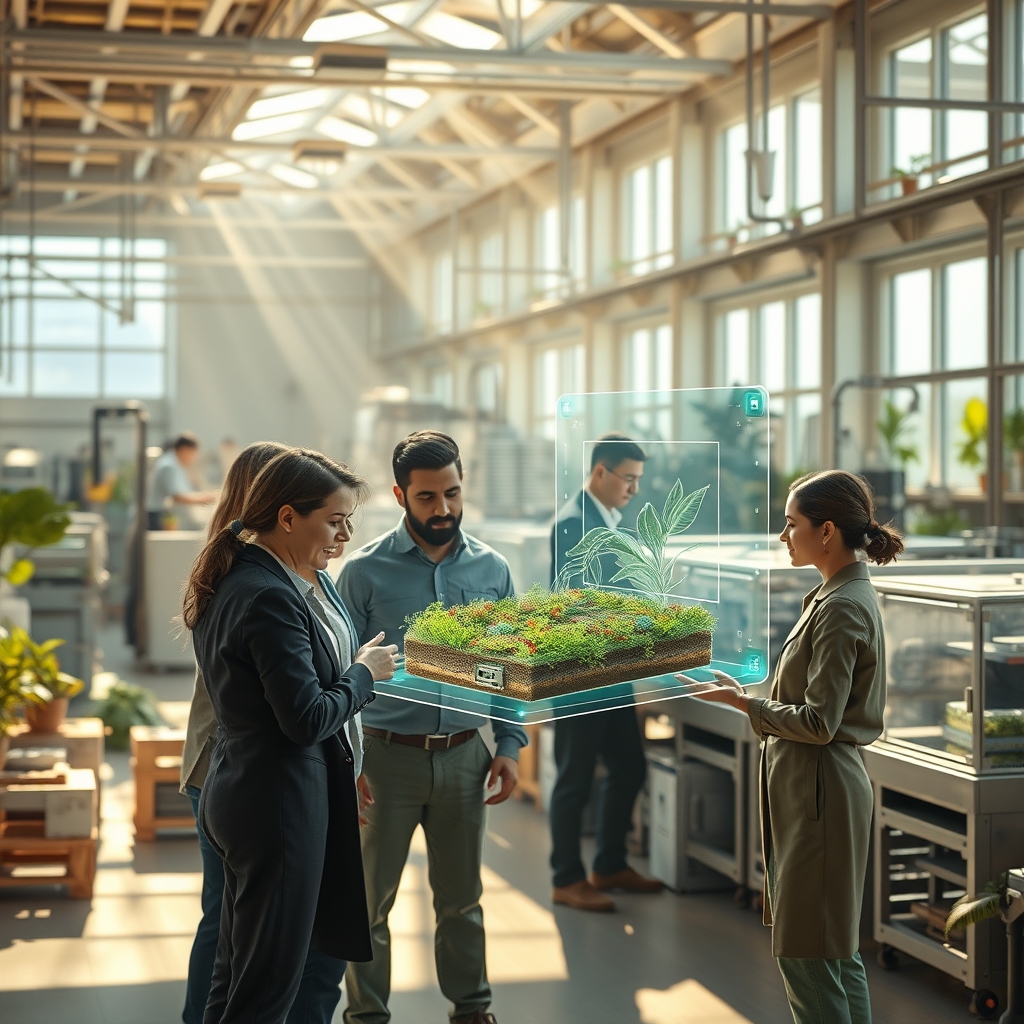
In the quiet hum of a factory floor, where metal meets precision and circuits come to life, something extraordinary is unfolding. The air is cleaner, the energy lighter, and the materials themselves seem to carry a whisper of the earth. This is not the manufacturing of old—clanking, wasteful, and indifferent to the world it drains. This is the dawn of a new era, where every component, every process, and every decision is infused with intention. Here, sustainability is not an afterthought but the very foundation upon which innovation is built.
The Alchemy of Energy-Optimized Fabrication
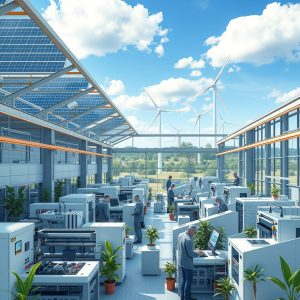
Imagine a production line where energy is not consumed but cherished, where every kilowatt-hour is accounted for, and waste is not just minimized but nearly eradicated. Energy-optimized fabrication is the art of sculpting efficiency from the raw potential of technology. Advanced sensors monitor real-time consumption, machine learning algorithms predict demand, and adaptive systems adjust power usage with the precision of a conductor leading an orchestra. Factories are no longer energy hogs but symphonies of sustainability, where even the smallest adjustments—like optimizing motor speeds or recapturing heat—can ripple into monumental savings.
In Germany, a semiconductor plant has redefined what it means to be energy-efficient. By integrating renewable energy sources directly into its grid and employing AI-driven energy management, the facility has slashed its carbon footprint by over 60%. The machines don’t just work; they breathe, syncing their rhythms with the ebb and flow of solar and wind power. This is not just manufacturing; it’s a dialogue with the planet.
The Rise of Bio-Based Tech Materials
But what if the very materials we use to build our future could grow like plants, decompose like leaves, and leave no trace behind? Bio-based tech materials are turning this vision into reality. From mushroom-based circuit boards to algae-derived polymers, the shift away from petroleum-based plastics and rare earth metals is not just possible—it’s already underway. These materials are not only renewable but often require less energy to produce, creating a double helix of sustainability: lower emissions and a reduced reliance on finite resources.
Take, for example, the development of bioplastics from cornstarch or sugarcane. These materials are not only biodegradable but can also be engineered to match the durability and performance of traditional plastics. In the electronics industry, researchers are experimenting with mycelium—the root structure of mushrooms—to create lightweight, compostable casings for devices. The result? A smartphone that, at the end of its life, can be returned to the earth, its components nourishing the soil rather than poisoning it.
The Dance of Closed Loop Manufacturing
Yet, even the most sustainable materials are only as green as the systems that process them. Closed loop manufacturing is the philosophy of endless renewal, where waste is not an endpoint but a beginning. In this model, every scrap, every offcut, and every discarded product is fed back into the system, transformed, and reborn. It’s a cycle that mirrors the natural world, where nothing is lost and everything has value.
Companies like Fairphone have embraced this ethos, designing smartphones that are not only modular and repairable but also made from recycled materials. When a device reaches the end of its life, it’s not tossed into a landfill but dismantled, its components sorted, and its metals reclaimed. This is not just recycling; it’s resurrection. The same metals that once powered a phone in Berlin might later find new life in a tablet in Tokyo, their journey a testament to the power of circularity.
Designing with the Future in Mind
At the heart of this transformation lies a fundamental shift in how we think about design. Minimalist tech design is not about stripping away functionality but about distilling it to its purest form. It’s the difference between a device bloated with unnecessary features and one that is elegant, efficient, and built to last. This philosophy extends beyond aesthetics; it’s about reducing material use, simplifying manufacturing processes, and creating products that are as kind to the planet as they are to the user.
Consider the rise of modular electronics, where components can be swapped, upgraded, or repaired with ease. This approach not only extends the lifespan of devices but also reduces electronic waste. Companies like Framework are leading the charge, offering laptops that users can customize, repair, and upgrade themselves. The message is clear: technology should serve us, not the other way around. When we design with intention, we create products that are not just sustainable but also empowering.
The Human Element: Conscious Innovation Workflows
But technology alone cannot carry the weight of sustainability. It is the people behind the machines—the engineers, designers, and decision-makers—who breathe life into these principles. Conscious innovation workflows are the invisible threads that weave sustainability into every stage of development, from ideation to disposal. This means asking tough questions: Where do our materials come from? How much energy will this product consume? What happens to it when it’s no longer useful?
It also means fostering a culture of transparency and accountability. Companies like Patagonia have set the standard, publishing detailed reports on their supply chains, environmental impact, and social responsibility. In the tech world, startups are emerging with sustainability as their core mission, embedding eco-conscious practices into their DNA. These workflows are not just about compliance; they’re about creating a legacy of responsibility that extends far beyond the balance sheet.
In the quiet corners of labs and factories, where ideas take shape and innovations come to life, a revolution is unfolding. It is not loud or flashy, but it is profound. Every energy-optimized machine, every bio-based material, and every closed loop system is a step toward a future where technology and nature exist in harmony. This is not just about building better devices; it’s about reimagining what it means to create. The machines of tomorrow will not just perform—they will breathe, they will adapt, and they will give back to the world that sustains them. And in that quiet hum of progress, we may just find the blueprint for a future worth building.