The Dawn of Solar Orchards: How Agrivoltaics is Cultivating a Dual Harvest of Energy and Food
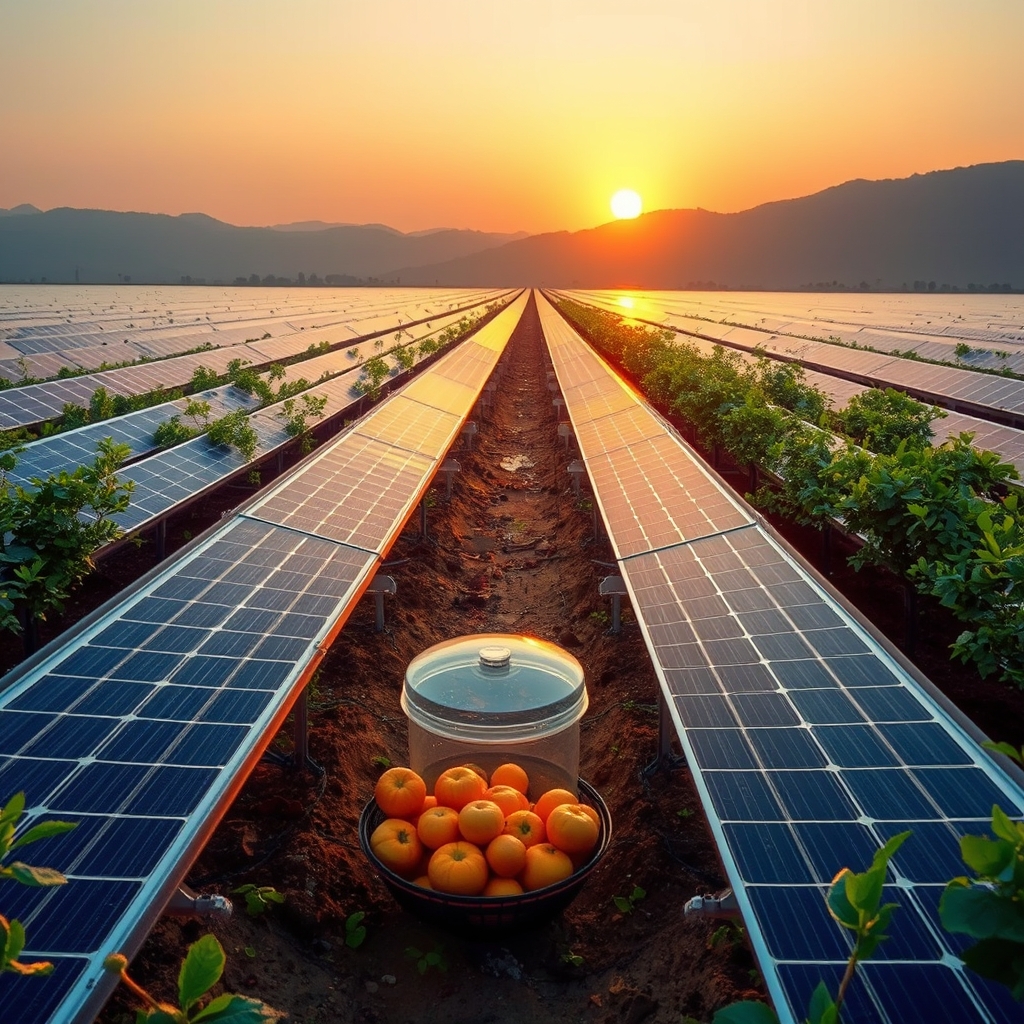
Beneath the vast, unblinking gaze of the sun, a quiet revolution is taking root—one that marries the ancient art of agriculture with the cutting-edge science of renewable energy. This is the world of agrivoltaics, a groundbreaking approach where solar panels and crops coexist in harmony, each enhancing the productivity of the other. Imagine fields where rows of photovoltaic panels stretch toward the sky, not as sterile barriers to cultivation, but as partners in a dance of light and life. Here, the land does not choose between feeding people and powering their homes; it does both, seamlessly and sustainably.
The Science of Sharing Sunlight
At the heart of agrivoltaics lies a simple yet profound insight: plants and solar panels have different needs when it comes to sunlight. While solar panels thrive on direct, unfiltered rays, many crops—particularly those in the leafy greens and berry families—prefer the dappled shade of a forest canopy. By elevating solar panels several meters above the ground and spacing them strategically, agrivoltaic systems create a microclimate where crops receive just the right amount of light, reducing heat stress and water loss. Studies have shown that certain crops, such as lettuce, spinach, and even some varieties of wheat, can actually grow more efficiently under these conditions, yielding up to 20% more biomass than in traditional open-field farming.
The benefits extend beyond the crops. The cooler temperatures beneath the panels improve the efficiency of the photovoltaic cells, which often lose performance as they heat up. This symbiotic relationship means that agrivoltaic systems can generate up to 10% more electricity than conventional solar farms, all while preserving the land for agricultural use. It’s a win-win scenario that challenges the long-held assumption that solar farms and farmland must compete for space.
From Concept to Cultivation
The origins of agrivoltaics can be traced back to the early 2010s, when researchers in Germany and Japan began experimenting with dual-use solar installations. One of the earliest and most successful projects was the