The Rise of Self-Healing Solar Panels: How Bioengineered Materials Are Redefining Durability in Renewable Energy

The sun has long been humanity’s most reliable energy partner, a celestial powerhouse that showers the Earth with more energy in an hour than the world consumes in a year. Yet, for all its abundance, solar technology has faced a persistent challenge: durability. Traditional photovoltaic panels, while increasingly efficient, remain vulnerable to the relentless wear of time—cracking under mechanical stress, degrading from UV exposure, and succumbing to the corrosive kiss of moisture. But what if the next generation of solar panels could not only withstand these forces but actively repair themselves, much like living organisms?
The Science of Self-Repair: A Marriage of Biology and Engineering
At the intersection of biotechnology innovation and renewable energy technology, researchers are pioneering materials that mimic the regenerative properties of biological systems. The concept is deceptively simple: embed solar panels with bioengineered components that can detect damage and initiate repairs autonomously. This isn’t science fiction—it’s a burgeoning field where genetic engineering and advanced biotech research converge to create what might be the most resilient solar energy systems yet.
One of the most promising avenues involves the use of biohybrid polymers, synthetic materials infused with biological molecules like proteins or enzymes. These polymers can be designed to respond to environmental stressors—such as micro-cracks or oxidative damage—by triggering chemical reactions that restore structural integrity. For instance, researchers at the University of California have experimented with polymers containing self-healing microcapsules, tiny reservoirs filled with a healing agent that ruptures when damage occurs, filling cracks and preventing further degradation. The result? Solar panels that can recover up to 90% of their original efficiency after sustaining damage.
From Lab to Rooftop: The Practical Applications
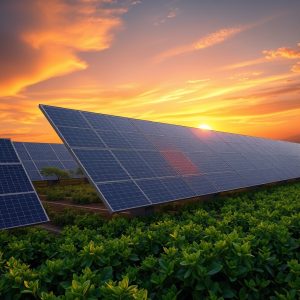
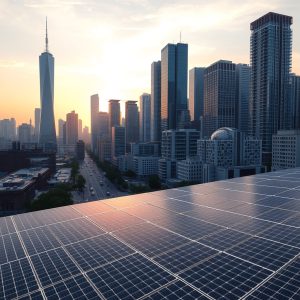
The implications of self-healing solar panels extend far beyond the laboratory. In regions prone to extreme weather—hurricanes, hailstorms, or sandstorms—these panels could dramatically reduce maintenance costs and extend the lifespan of solar installations. Imagine a solar farm in the Mojave Desert, where panels endure daily thermal cycling and abrasive winds. With self-healing technology, these systems could operate at peak efficiency for decades, with minimal human intervention. Similarly, in urban environments, where rooftop solar is increasingly common, self-repairing panels could lower the barrier to adoption by assuring homeowners of long-term reliability.
But the benefits aren’t limited to durability alone. Self-healing materials could also enhance the sustainability of solar technology by reducing the need for replacements and minimizing waste. The solar industry has made strides in recycling old panels, but the process remains energy-intensive. If panels last longer, the environmental footprint of solar energy shrinks even further, aligning with the principles of eco-friendly technology and climate tech solutions.
The Role of Genetic Engineering in Next-Generation Solar
While biohybrid polymers represent a significant leap forward, the frontier of self-healing solar technology is being pushed even further by genetic engineering. Scientists are exploring how to integrate photosynthetic microorganisms—such as cyanobacteria or algae—into solar panel designs. These organisms naturally repair themselves when damaged, and their ability to convert sunlight into energy could complement traditional photovoltaic cells. The idea is to create a symbiotic system, where the biological and synthetic components work in tandem to maximize efficiency and longevity.
For example, researchers at Cambridge University have developed a prototype where algae are embedded within a hydrogel matrix, layered beneath a transparent solar cell. When the algae detect damage to the panel’s surface, they produce proteins that help seal cracks, while simultaneously contributing to energy generation through photosynthesis. This dual-function approach not only enhances durability but also opens the door to bio-integrated solar systems that blur the line between technology and nature.
Challenges and the Road Ahead
Despite the excitement, the path to commercializing self-healing solar panels is not without obstacles. One of the primary challenges is scalability. While lab-scale prototypes show promise, producing these materials at a cost and volume suitable for widespread adoption remains a hurdle. Additionally, the long-term stability of bioengineered components in real-world conditions—such as fluctuating temperatures, humidity, and UV exposure—requires further testing.
Another consideration is the integration of self-healing technology with existing solar infrastructure. Retrofitting older panels with new materials may not always be feasible, which means the industry will need to balance innovation with backward compatibility. Smart grid technology and energy storage systems could play a role here, enabling seamless transitions between traditional and next-generation solar solutions.
The Broader Implications for Sustainable Technology
The development of self-healing solar panels is more than just an incremental improvement—it’s a paradigm shift in how we think about renewable energy. By drawing inspiration from biological systems, engineers are not only solving technical problems but also reimagining the relationship between technology and the natural world. This approach aligns with the broader trend of sustainable technology, where solutions are designed to harmonize with ecological processes rather than exploit them.
Moreover, self-healing materials could have applications beyond solar energy. Imagine wind turbine blades that repair themselves after storm damage, or building materials that mend cracks in concrete, reducing the need for costly repairs. The principles of bioengineering advances are versatile, and their potential to revolutionize multiple industries is vast. As these technologies mature, they could redefine what it means to build resilient, long-lasting infrastructure in an era of climate uncertainty.
The sun’s energy is limitless, but our ability to harness it has always been constrained by the fragility of human-made systems. With self-healing solar panels, we are inching closer to a future where our technology is as enduring and adaptive as the natural world itself. The shift isn’t just about making solar panels last longer—it’s about rethinking the very foundations of how we capture, store, and utilize energy, ensuring that the solutions we create today can evolve alongside the challenges of tomorrow.