The Floating Future: How Floating Solar Arrays and Microgrid Autonomy Are Redefining Renewable Energy Landscapes
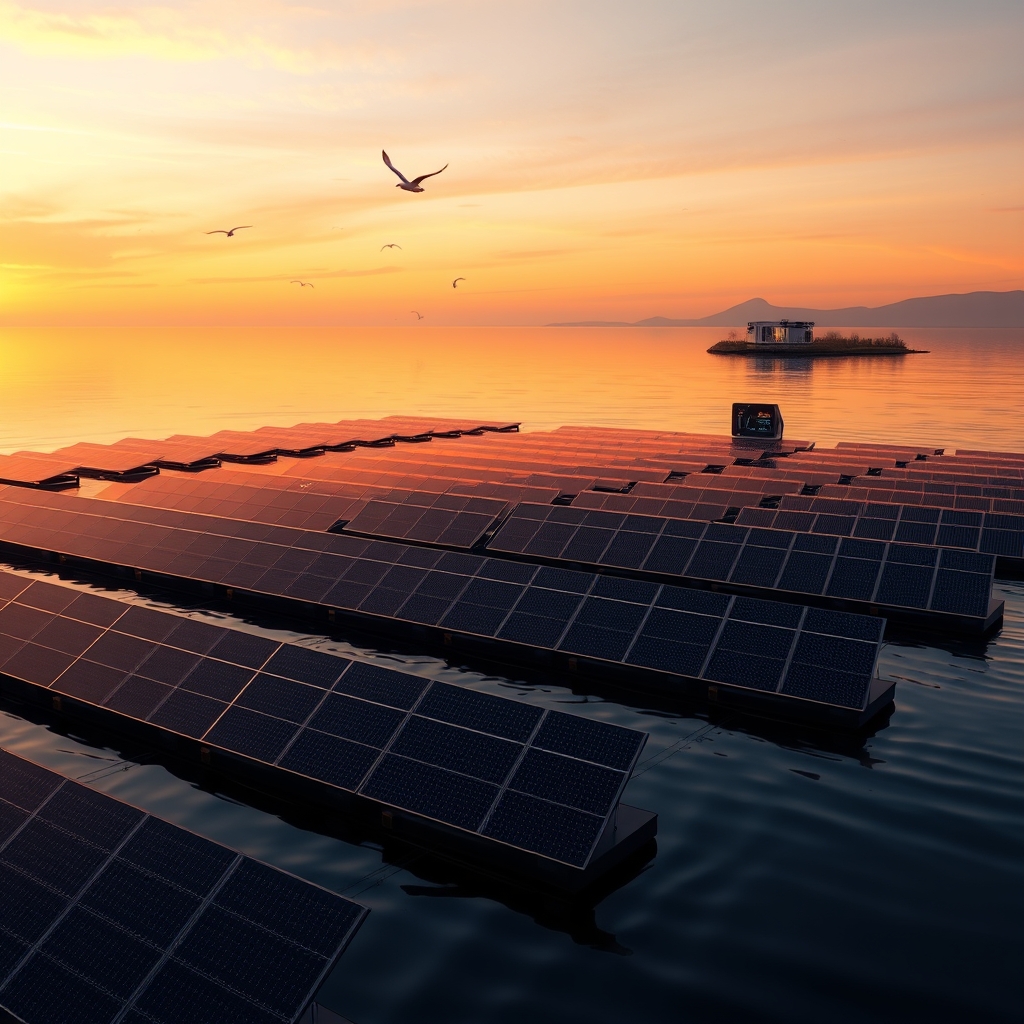
Imagine a vast, shimmering expanse of water, its surface undisturbed except for a sea of sleek, dark panels gliding gently with the rhythm of the waves. This is not a scene from a futuristic novel but a reality taking shape across reservoirs, lakes, and even the open sea. Floating solar arrays, an innovative twist on traditional photovoltaics, are emerging as a game-changer in the renewable energy sector, offering a solution to land scarcity while unlocking new efficiencies in power generation. When paired with the autonomy of microgrids, these floating installations are not just generating electricity—they are redefining the very fabric of how we produce, store, and distribute energy.
The Rise of Floating Solar Arrays
Floating solar arrays, or “floatovoltaics,” are exactly what they sound like: solar panels mounted on buoyant structures that float on bodies of water. This concept might seem simple, but its implications are profound. Land is a finite resource, and in many regions, the competition for space between agriculture, urban development, and renewable energy projects is fierce. By moving solar farms onto water, we free up valuable land while tapping into underutilized aquatic real estate. Countries like Singapore, Japan, and the Netherlands, where land is at a premium, have already embraced this technology, deploying floating solar farms that stretch across reservoirs and coastal areas.
The benefits of floating solar extend beyond land conservation. Water provides a natural cooling effect, which can boost the efficiency of solar panels by up to 15% compared to their land-based counterparts. This cooling effect also reduces the thermal degradation of panels over time, extending their lifespan. Additionally, the shading provided by the panels can reduce water evaporation, a critical advantage in drought-prone regions. In some cases, floating solar arrays have even been shown to improve water quality by limiting algae growth, creating a symbiotic relationship between energy generation and environmental stewardship.
Microgrid Autonomy: The Backbone of Resilient Energy Systems
While floating solar arrays are revolutionizing how we generate renewable energy, microgrids are transforming how we manage and distribute it. A microgrid is a localized energy system that can operate independently or in conjunction with the main grid. These systems are designed to enhance resilience, particularly in areas prone to power outages or those with unreliable grid infrastructure. By integrating renewable energy sources like floating solar, along with battery storage and smart grid management technologies, microgrids can provide a stable, self-sustaining power supply.
The autonomy of microgrids is what sets them apart. Equipped with advanced sensors, AI-driven energy management systems, and real-time monitoring, microgrids can dynamically balance supply and demand, optimize energy storage, and even island themselves from the main grid during disruptions. This level of control is particularly valuable in remote or disaster-prone regions, where traditional grid infrastructure may be vulnerable. For example, in Puerto Rico, microgrids powered by solar and battery storage have become a lifeline for communities still recovering from the devastation of Hurricane Maria, offering a blueprint for resilience in the face of climate change.
The Synergy of Floating Solar and Microgrids
The marriage of floating solar arrays and microgrid autonomy is a match made in renewable energy heaven. Floating solar provides a consistent and efficient source of clean energy, while microgrids ensure that this energy is stored, managed, and distributed with maximum efficiency. Together, they create a decentralized energy ecosystem that is both resilient and sustainable. This synergy is particularly powerful in regions with abundant water resources but limited land availability, such as island nations or coastal cities. For instance, in the Maldives, floating solar projects combined with microgrid technology are helping to reduce the country’s reliance on diesel generators, cutting carbon emissions while providing a reliable power supply to remote atolls.
Moreover, the modular nature of both floating solar and microgrids allows for scalability. Communities can start with small-scale installations and expand as demand grows, making this a flexible solution for both urban and rural settings. In agricultural regions, floating solar arrays can be deployed on irrigation ponds, creating a dual-use system that maximizes land productivity. Meanwhile, microgrids can integrate other distributed energy resources, such as wind or geothermal, to create a diversified and resilient energy portfolio.
Overcoming Challenges and Looking Ahead
Despite their promise, floating solar arrays and microgrids are not without challenges. The harsh aquatic environment can pose risks to floating solar installations, including corrosion, biofouling, and the potential for damage from waves or storms. However, advancements in materials science and engineering are addressing these issues, with new designs featuring durable, corrosion-resistant materials and flexible anchoring systems that can withstand extreme weather conditions. Similarly, microgrids require robust cybersecurity measures to protect against potential threats, as well as regulatory frameworks that support their integration into existing energy markets.
Looking ahead, the potential for floating solar and microgrid autonomy is vast. As technology continues to evolve, we can expect to see larger and more efficient floating solar farms, capable of generating gigawatts of power. Meanwhile, microgrids will become increasingly intelligent, leveraging AI and machine learning to predict energy demand, optimize storage, and even participate in decentralized energy markets. The combination of these technologies could play a pivotal role in achieving global climate goals, particularly in regions where traditional renewable energy infrastructure is not feasible.
The vision of a future powered by floating solar arrays and autonomous microgrids is not just a dream—it is a tangible reality taking shape before our eyes. As these technologies mature, they will not only redefine our energy landscapes but also empower communities to take control of their energy futures. The water beneath the panels and the intelligence within the microgrids are more than just components of a system; they are the building blocks of a sustainable, resilient, and decentralized energy revolution that is already underway.