
Distributed Energy Resources: Empowering Local Energy Systems
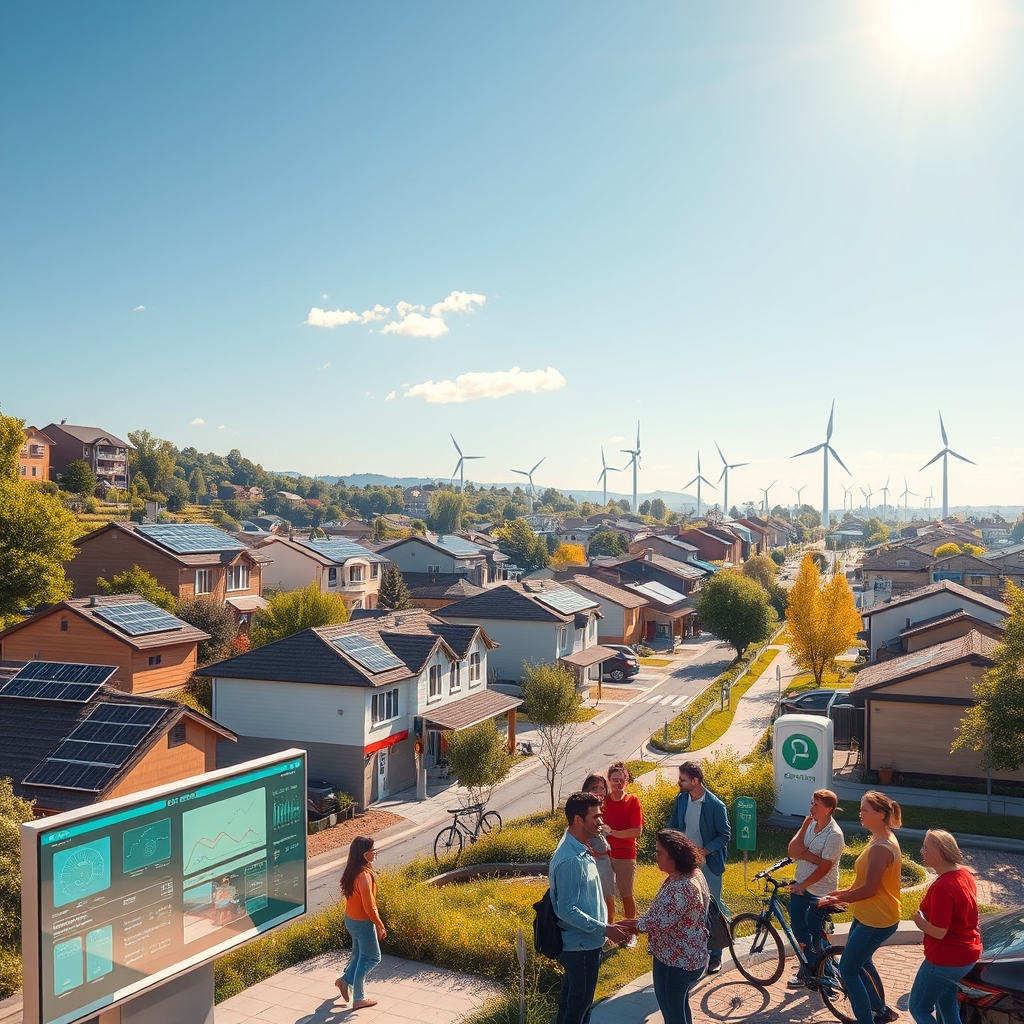
The shift toward distributed energy resources (DERs) marks a transformative moment in how societies generate, consume, and manage power. Unlike traditional centralized energy systems, which rely on large power plants and extensive transmission networks, DERs bring energy production closer to the point of use. Rooftop solar panels, small wind turbines, battery storage systems, and microgrids are not just technological innovations—they represent a fundamental reimagining of energy infrastructure, one that prioritizes resilience, efficiency, and community control.
The Rise of Distributed Energy Resources
Distributed energy resources encompass a diverse array of technologies that generate or store electricity at or near where it will be used. Solar photovoltaic (PV) systems installed on residential and commercial rooftops are among the most visible examples, but the category also includes small-scale wind turbines, combined heat and power (CHP) systems, fuel cells, and even electric vehicle (EV) batteries that can feed energy back into the grid. Microgrids—localized grids that can operate independently or in conjunction with the main power network—further expand the possibilities of DERs by enabling communities to maintain power during outages or disruptions.
The growth of DERs has been driven by several factors, including advancements in renewable energy technologies, declining costs of solar and battery storage, and increasing consumer demand for cleaner, more reliable power. Governments and utilities are also recognizing the potential of DERs to modernize aging infrastructure, reduce greenhouse gas emissions, and enhance grid flexibility. In many regions, policies such as net metering, feed-in tariffs, and tax incentives have accelerated adoption by making it financially viable for individuals and businesses to invest in their own energy systems.
Enhancing Energy Resilience
One of the most compelling advantages of DERs is their ability to improve energy resilience. Centralized power grids are vulnerable to a range of threats, from extreme weather events and cyberattacks to equipment failures and supply chain disruptions. When a major storm knocks out a transmission line or a heatwave overwhelms a power plant, millions of people can be left without electricity for hours or even days. DERs mitigate these risks by decentralizing energy production, reducing the grid’s reliance on any single point of failure.
Microgrids, in particular, have proven their value in enhancing resilience. During Hurricane Sandy in 2012, for example, a microgrid at Princeton University kept the campus powered while surrounding areas experienced prolonged blackouts. Similarly, communities in California have turned to microgrids to maintain power during wildfire-related shutoffs, ensuring that critical services like hospitals, fire stations, and water treatment plants remain operational. By integrating renewable energy sources with battery storage, these systems can provide reliable power even when the main grid is down.
Reducing Transmission Losses and Improving Efficiency
Another significant benefit of DERs is their potential to reduce energy losses associated with long-distance transmission. In traditional power systems, electricity generated at large plants must travel hundreds of miles through transmission and distribution lines before reaching consumers. During this journey, a substantial portion of the energy—often between 5% and 10%—is lost as heat due to resistance in the wires. DERs, by generating power closer to where it is consumed, minimize these losses, resulting in a more efficient energy system.
This efficiency gain is particularly important as the world transitions to renewable energy sources. Solar and wind power are inherently intermittent, meaning their output fluctuates based on weather conditions. By distributing generation across many small-scale systems, DERs can help balance supply and demand more effectively than centralized systems. For instance, when a cloud passes over a solar farm, the drop in output can be offset by rooftop solar systems in other locations. Similarly, battery storage systems can store excess energy during periods of high generation and release it when demand peaks, smoothing out fluctuations and reducing the need for backup fossil fuel plants.
Empowering Communities Through Local Energy Projects
Beyond their technical advantages, DERs are also fostering a new era of community-driven energy initiatives. Local energy projects, such as community solar programs, cooperative wind farms, and neighborhood microgrids, allow residents to collectively invest in and benefit from renewable energy. These projects not only reduce energy costs for participants but also keep financial resources within the community, supporting local jobs and economic development.
In some cases, communities are taking energy independence even further by forming municipal utilities or energy cooperatives. These entities give residents greater control over their energy sources, pricing, and policies, often prioritizing sustainability and affordability over profit. For example, the city of Boulder, Colorado, has been working to create a municipal utility that would allow it to transition to 100% renewable energy, while in Germany, energy cooperatives have played a key role in the country’s rapid expansion of wind and solar power.
Challenges and Barriers to Adoption
Despite their many benefits, DERs face several challenges that could slow their widespread adoption. One of the most significant is the regulatory and policy landscape, which in many regions is still designed around centralized energy systems. Utilities, for instance, may resist DERs because they threaten traditional revenue models based on selling electricity from large power plants. In some cases, utilities have lobbied for policies that impose fees or restrictions on rooftop solar, arguing that DER adopters are not paying their fair share for grid maintenance.
Interconnection standards—rules governing how DERs connect to the grid—also vary widely by region, creating complexity and uncertainty for developers and consumers. Inconsistent or overly restrictive standards can delay projects, increase costs, and discourage investment. Additionally, the upfront costs of DER technologies, while declining, can still be prohibitive for many households and businesses, particularly in low-income communities. While financing options like solar leases and power purchase agreements (PPAs) have made DERs more accessible, more work is needed to ensure equitable access.
Another challenge is the technical complexity of integrating large numbers of DERs into the grid. Unlike centralized power plants, which can be controlled and dispatched by grid operators, DERs are often owned and operated by individuals or small organizations. Managing the variability of these resources requires advanced grid management tools, such as distributed energy resource management systems (DERMS), which can monitor, control, and optimize DERs in real time. Without these tools, the proliferation of DERs could lead to grid instability, voltage fluctuations, or other operational issues.
The transition to distributed energy resources is not just about technology—it is about redefining the relationship between people and power. By decentralizing energy production, DERs offer a path to greater resilience, efficiency, and community empowerment, but their success will depend on addressing the regulatory, technical, and financial barriers that stand in the way. As more communities embrace local energy solutions, the vision of a cleaner, more democratic energy system becomes not just possible, but inevitable. The question is no longer whether DERs will play a central role in the future of energy, but how quickly and equitably that future can be realized.


