
Voters gave a big middle finger to data centers
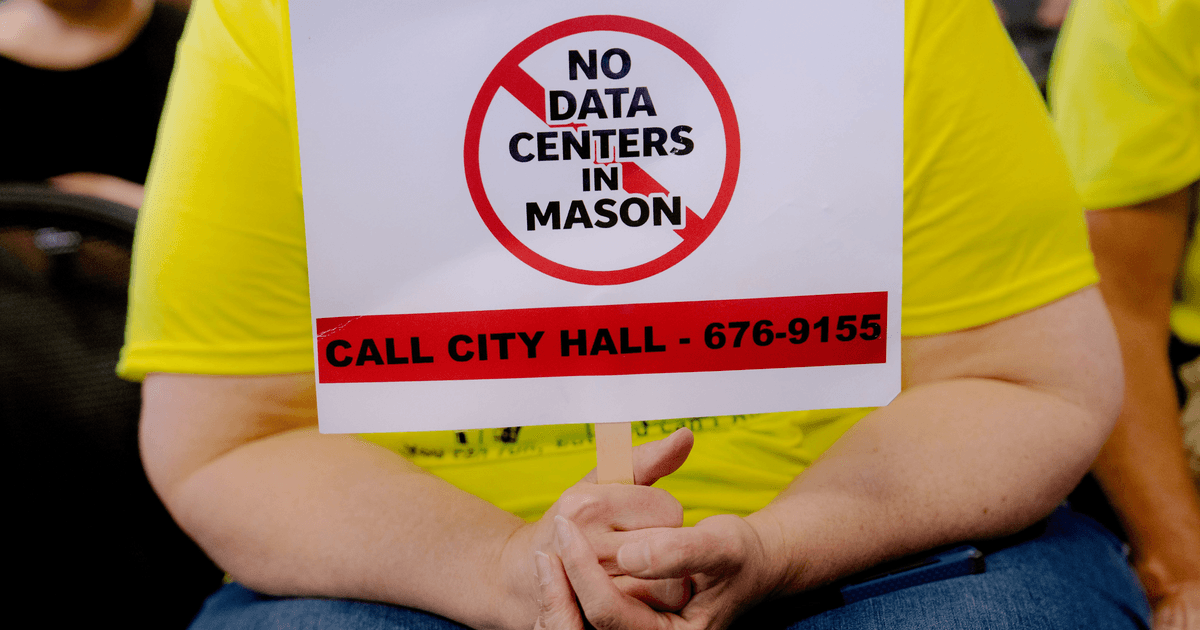
Americans aren’t happy about the data center boom, and they made their displeasure pretty clear this Election Day. Voters not only selected a slate of Democratic candidates who campaigned against data centers; they also approved more than 30 ballot measures aimed at reining in the power-hungry facilities.
You could argue that the “data center elections” really started a year ago, when Virginians selected Democrat Abigail Spanberger as their next governor. Virginia has more than earned its status as the data center capital of the world, with the latest estimates counting more than 700 facilities around the state, and Spanberger ran on a promise to keep their intense power demand in check.
In the months that followed, it became clear that data center developers were circling in on Great Lakes states and their abundant water resources — and that fighting the facilities was a winning campaign strategy. Take Michigan’s Democratic U.S. Senator-elect Abdul El-Sayed, who made data center regulation a prominent piece of his candidacy, and William Lawrence, a Democrat who won his U.S. House race after showing up at a local council meeting to fight a proposed data center.
Meanwhile in Ohio, Sherrod Brown, a three-term Democratic senator who was ousted in 2024, will return to the chamber. Brown’s campaign painted his Republican opponent as “the face of data centers,” even though it cost Brown the support of some union labor allies who’ve backed him for decades but see data centers as creators of construction jobs.
Data centers’ threat is even more palpable in Georgia and Texas, which have more projects in the pipeline than any other state except Virginia. Georgia Sen. Jon Ossoff (D) was easily reelected after criticizing data centers as part of his campaign and investigating their impact on power bills in the Senate. Georgia’s Democratic Gov.-elect Keisha Lance Bottoms has meanwhile pledged a “pause” on new data center construction once she takes office in January. And Democrats James Talarico and Gina Hinojosa scored historic wins in Texas for U.S. Senate and governor, respectively, after promising to pursue a slate of data center regulations.
Anti–data center sentiment this election cycle was so strong that even some Republicans promised restrictions — Michigan Senate candidate Mike Rogers called for a one-year moratorium in the state, for example. But some still sided with data centers, like Sen. Darline Graham of South Carolina, who benefited from an industry-funded ad campaign before losing a seat she had been expected to retain.
More big energy stories
How energy prices showed up on the ballot
Data centers weren’t the only energy issue motivating voters this week. With gasoline prices at their highest level of any Election Day in U.S. history, and falling temperatures getting Americans thinking about heating bills, it’s no wonder that voters were looking for a change.
While President Donald Trump has been promising to curb energy costs since his 2024 campaign, his decisions have driven prices in the opposite direction. Experts say that perhaps his most drastic mistake was starting a war with Iran, spiking oil prices that have yet to return to anything resembling the pre-conflict normal. That impact has been especially obvious in Maine, where half the residents rely on heating oil — and where voters ousted longtime Republican Sen. Susan Collins on Tuesday.


