The Invisible Thread: Weaving Virtual Power Plants into the Fabric of Decentralized Energy Markets
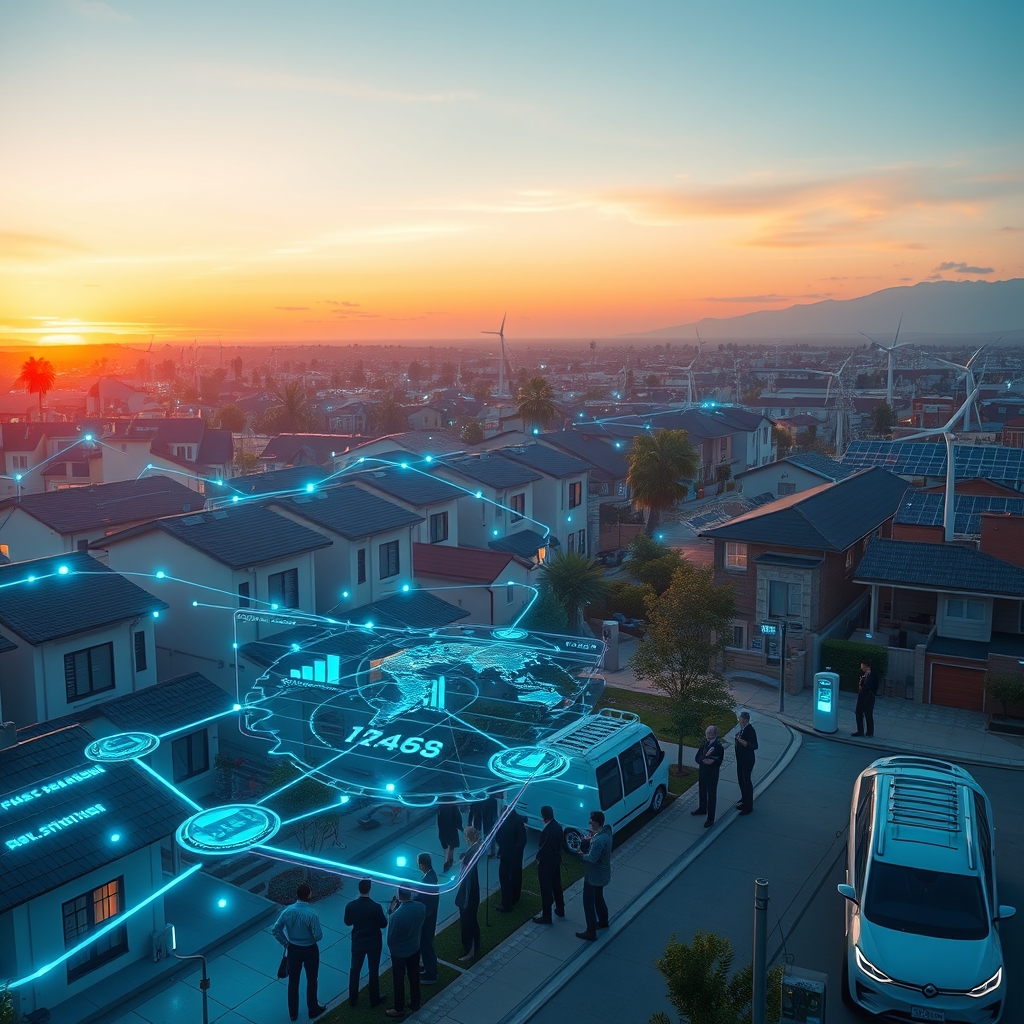
The hum of a refrigerator, the flicker of a streetlamp, the quiet whir of a laptop—these are the unassuming rhythms of modern life, each a tiny pulse in an electrical symphony that powers our world. Yet beneath this familiar cadence lies a transformation so profound it threatens to rewrite the very rules of energy itself. At the heart of this shift is an idea as elegant as it is revolutionary: the virtual power plant (VPP), a digital tapestry woven from the threads of distributed energy resources, battery storage, and intelligent software. It is not a single structure, not a towering turbine or a sprawling solar farm, but something far more elusive—a network that breathes, learns, and adapts, turning millions of small, scattered energy assets into a single, cohesive force.
The Alchemy of Aggregation
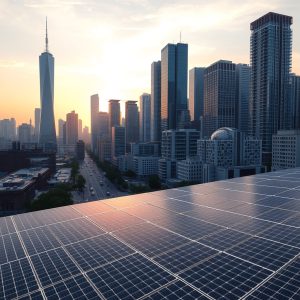
Imagine a neighborhood where every rooftop solar panel, every home battery, and even the electric vehicles parked in driveways are not isolated islands of energy but nodes in a vast, interconnected web. This is the essence of a virtual power plant. By aggregating these distributed resources, VPPs create a reservoir of flexibility that can respond to the grid’s needs in real time. When demand surges, the VPP can dispatch stored energy from thousands of batteries, smoothing out the peaks that once strained aging infrastructure. When renewable generation dips—whether from a passing cloud or a lull in the wind—the VPP can call upon its reserves, ensuring the lights stay on without firing up a single fossil-fueled power plant.
The magic lies in the software. Advanced algorithms, often powered by artificial intelligence, predict energy patterns with uncanny accuracy, balancing supply and demand before the grid even senses a tremor. These systems don’t just react; they anticipate, learning from weather forecasts, historical consumption data, and even the behavioral quirks of individual households. A VPP might know, for instance, that a particular suburb’s energy use spikes at 7 p.m. as families return home, and it can preemptively adjust by discharging stored solar energy from home batteries or reducing non-critical loads like pool pumps. The result is a grid that is not just smarter, but almost prescient.
The Democratization of Energy
For over a century, energy markets have been dominated by a handful of centralized players—utilities, power plants, and transmission operators—who controlled the flow of electricity from generation to consumption. But VPPs are flipping this model on its head. By turning consumers into prosumers—those who both produce and consume energy—they are democratizing the grid, shifting power (quite literally) into the hands of individuals and communities. A homeowner with solar panels and a battery is no longer just a customer; they are a micro-utility, capable of selling excess energy back to the grid or sharing it with neighbors during outages.
This shift is not merely technological; it is cultural. Decentralized energy markets, enabled by VPPs, foster a sense of ownership and resilience. In places like Australia and Germany, where VPPs are already gaining traction, communities are banding together to form energy cooperatives, pooling their resources to negotiate better rates, reduce costs, and even trade energy peer-to-peer using blockchain technology. The grid is no longer a one-way street but a bustling marketplace where energy is bartered, shared, and optimized in real time.
The Role of Battery Energy Storage
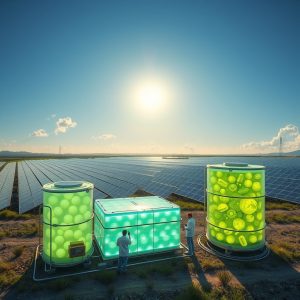
At the core of every virtual power plant is a storage system, and batteries are the unsung heroes of this revolution. Lithium-ion batteries, long the workhorse of portable electronics, are now scaling up to meet the demands of the grid, but they are not alone. Emerging technologies like sodium-ion batteries and solid-state batteries promise to push the boundaries of what’s possible, offering longer durations, faster response times, and lower costs. These innovations are critical because VPPs rely on storage to bridge the gap between intermittent renewable generation and consistent demand.
Consider a scenario where a VPP aggregates 10,000 home batteries, each with a capacity of 10 kilowatt-hours. Together, they form a 100-megawatt-hour reservoir of energy, capable of powering thousands of homes for hours during a blackout or shaving peak demand to avoid costly infrastructure upgrades. The beauty of this system is its modularity—it can start small, with a few hundred batteries, and scale up as more participants join. Unlike traditional power plants, which require years of planning and billions in investment, VPPs can grow organically, adapting to the needs of the communities they serve.
Smart Grid Management: The Nervous System of the VPP
A virtual power plant is only as strong as the grid that supports it, and this is where smart grid management comes into play. Modern grids are evolving from passive networks into dynamic, self-healing systems that can detect faults, reroute power, and integrate distributed resources seamlessly. Sensors, smart meters, and advanced communication protocols allow VPPs to interact with the grid in real time, responding to signals from grid operators or market conditions with split-second precision.
For example, during a heatwave, when air conditioners strain the grid to its limits, a VPP can automatically reduce the load on non-critical appliances—like water heaters or electric vehicle chargers—freeing up capacity for essential services. This demand response capability is a game-changer, turning what was once a liability (the unpredictability of renewable energy) into an asset. By leveraging AI and machine learning, VPPs can even predict when and where these interventions will be needed, further enhancing their efficiency and reliability.
The Future: A Grid Without Boundaries
The rise of virtual power plants is not just about technology; it is about reimagining what the grid can be. In a world where energy is increasingly decentralized, VPPs offer a path to a more resilient, equitable, and sustainable future. They allow us to harness the collective power of millions of small assets, turning them into a force that rivals the largest power plants. And as renewable energy continues to grow, VPPs will play an even more critical role, ensuring that the grid remains stable even as it becomes greener.
But perhaps the most profound impact of VPPs is the way they blur the lines between producer and consumer, between the grid and the home. In this new energy landscape, every rooftop, every battery, and every electric vehicle becomes a thread in a larger tapestry, woven together by software and shared purpose. The grid is no longer a distant, impersonal force but something we all participate in, something we can shape and control. And in that shift lies the promise of a future where energy is not just a commodity, but a community—one that is cleaner, smarter, and more resilient than ever before.